Coomer.party in 2026: Technology Breakdown, How It Works, Legality, Safety & Risks
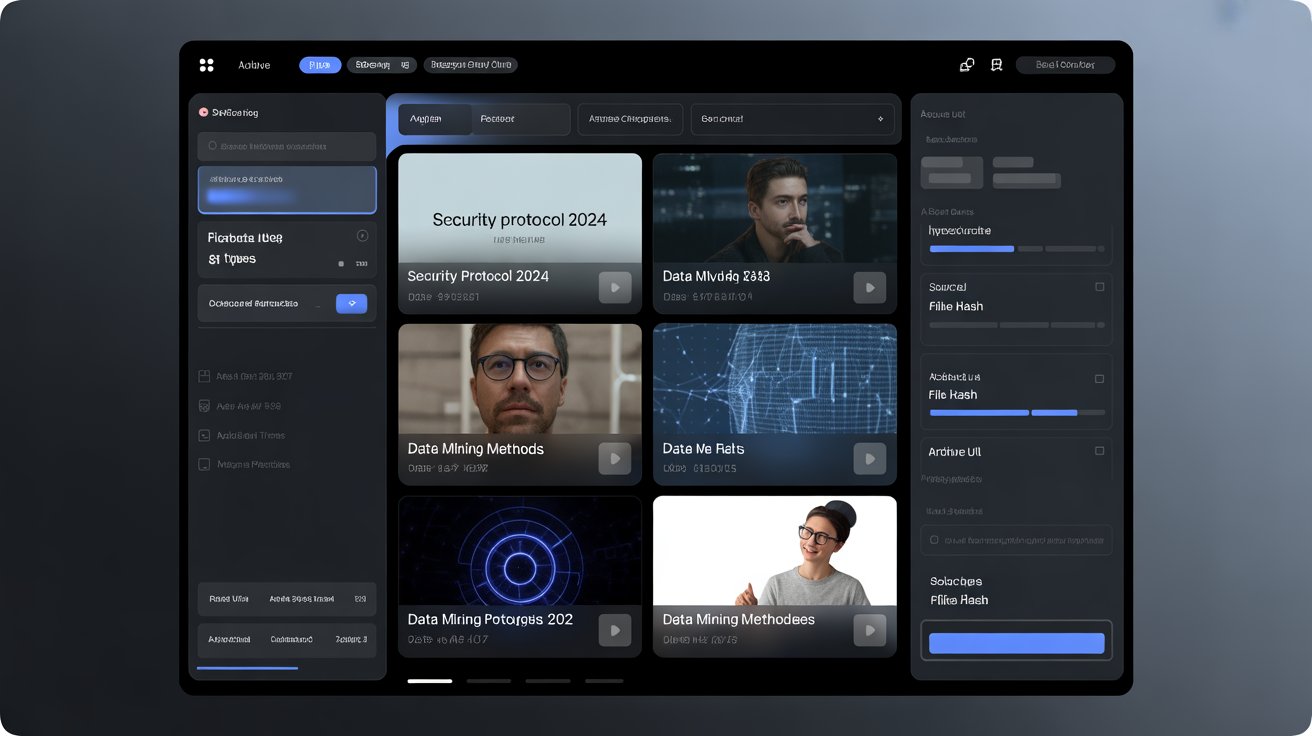
Educational and Analytical Disclaimer This article is for informational, educational, and technological analysis purposes only. It examines coomer.party (and related domains like coomer.st or coomer.su) from a digital systems, web archiving, and cybersecurity perspective. This article does not link to or promote access to the platform. The content does not endorse, encourage, or provide instructions for accessing, uploading, or distributing copyrighted material without authorization. Unauthorized distribution of subscription content violates copyright laws in most jurisdictions and can result in legal consequences for both operators and users. Readers should consult legal professionals for advice specific to their situation and always respect creators’ intellectual property rights.
In the rapidly evolving world of online content distribution, this archiving system serves as a notable case study in crowdsourced web archiving technology. As of 2026, coomer.party functions as a public archiver primarily for subscription-based adult content from services such as OnlyFans, Fansly, and CandFans. Contributors upload material, which is then indexed for search and organization. From a purely technical standpoint, it highlights innovations (and challenges) in automated data ingestion, metadata indexing, distributed storage, and domain resilience amid legal pressures.
The creator economy continues to expand dramatically. OnlyFans hosts approximately 4.6 million creators as of 2025. Global fan spending on the platform reached around $7.2 billion in 2025. Yet this system illustrates ongoing tensions between paywalled content, digital preservation tools, and copyright enforcement. This article provides a balanced, fact-based overview of the platform’s technology, operations, real-world implications, benefits and drawbacks, legality, safety considerations, and future outlook—without promotion or endorsement of unauthorized use.
What Is Coomer.party? A Neutral Technology Overview
Coomer.party (often referred to alongside mirrors or successor domains) operates as a community-contributed database and search engine for media originally posted behind subscription paywalls. Unlike official platforms, the site does not host original content creation tools or direct creator-to-fan payments. Instead, it aggregates user-uploaded copies, organizes them by creator profiles, posts, tags, and timestamps, and serves them via third-party file hosts.
This model emerged in the late 2010s alongside the boom in subscription platforms. It pairs with related services like Kemono.party for non-adult creator content (Patreon, Fanbox, etc.), forming part of a broader ecosystem of fan-content mirroring. As of early 2026, the platform has experienced frequent domain changes and downtime due to hosting terminations and legal actions, with active operations shifting between variants such as .st and .su.
From an innovation lens, this archiving system demonstrates how scraping scripts, importer tools, and searchable databases can create resilient (if volatile) content repositories. However, its existence also underscores challenges in modern digital rights management (DRM), platform security, and the creator economy’s sustainability. [Internal link: Learn more about DRM technology and its role in content protection.]
How Coomer.party Works: Technical Architecture Explained
The platform relies on a hybrid of manual community contributions and semi-automated processes. Here is a step-by-step breakdown of its core mechanisms, based on publicly documented features and related open-source tools:
- Content Ingestion Users (often subscribers or automated scripts) download material from source platforms and upload it via built-in importer tools. Supporting software, such as Python-based scrapers or gallery-dl integrations, handles multithreading, pagination, and selective media fetching to bypass rate limits where possible.
- Metadata Indexing and Search Uploaded posts populate a structured database with fields for creators, post dates, text content, attachments, and tags. Features include hash-based duplicate detection, full-text search, and filtered browsing (recent, random, updated). This setup resembles lightweight versions of enterprise search engines like Elasticsearch, optimized for media-heavy records.
- Storage and Delivery Actual files (images, videos) are offloaded to third-party hosts (e.g., Buzzheavier, Catbox.moe) for bandwidth efficiency. The frontend remains minimalistic—fast-loading but basic—with direct links and thumbnails. No heavy JavaScript frameworks are used, prioritizing accessibility over modern UX polish.
- Resilience Layer To counter takedowns, operators employ rapid domain migration, privacy-focused hosting, and community mirrors. This “adversarial hosting” approach echoes techniques in decentralized networks but remains centralized and vulnerable to coordinated legal pressure.
- Community and Extension Ecosystem Browser user scripts add enhancements such as auto-loading high-resolution images or ad removal. These reflect grassroots UX improvements common in open-web communities.
Compared to traditional solutions like manual downloads or peer-to-peer torrents, the platform offers better searchability and organization but lacks official curation or quality guarantees.
Key Features from a Technical Perspective
- Advanced Search Capabilities: Creator-specific pages, tag clouds, post filters, and hash lookup for deduplication.
- Importer Tools: Streamlined bulk upload interfaces that reduce technical barriers for contributors.
- Cross-Platform Links: Integration with related archivers for broader creator coverage.
- Low-Resource Frontend: Mobile-friendly and lightweight, though functionality can vary during high-load or downtime periods.
- No Account Requirement for Browsing: Anonymous access is supported (uploads may require more).
These elements showcase practical applications of database indexing, API scraping ethics research, and resilient web design. However, they also raise questions about scalability and long-term sustainability.
Real-World Context in the Creator Economy
The platform exists within a larger ecosystem where OnlyFans and similar services generated roughly $7.2 billion in fan spending in 2025, with creators receiving the majority after fees. Average earnings remain modest—around $131–$180 per month for most—while the top 1% capture a disproportionate share.
The broader creator economy is projected to exceed $250 billion globally in 2026. This economic reality fuels both legitimate subscription growth and demand for alternative access methods.
This archiving system and similar services have been studied in digital preservation research, cybersecurity testing of DRM, and analyses of creator-economy vulnerabilities. Some developers examine its patterns to improve official platform defenses, such as stronger watermarking or behavioral detection.
Why Is Coomer.party So Popular?
Several factors drive interest in this archiving system, even amid its risks:
- Convenience and Free Access: Many users are drawn to the ability to browse extensive catalogs without ongoing subscription fees.
- Powerful Search Tools: Advanced filters, tags, and hash lookups make finding specific content faster than scattered alternatives.
- Perceived Redundancy: In an era of frequent platform changes or deletions, some see it as a backup for “preserving” material.
- Community-Driven Model: The open-upload nature creates a self-sustaining ecosystem that feels more accessible than corporate paywalls.
- Curiosity About Tech: Developers and researchers study its scraping and resilience techniques as real-world examples of adversarial web systems.
Important note: Popularity does not equal endorsement or legality. Most experts highlight that the risks far outweigh any short-term convenience.
Is Coomer.party Legal?
This is one of the most critical questions for anyone researching the platform. In most jurisdictions, including the United States and EU countries, redistributing copyrighted subscription content without explicit permission from the rights holder constitutes copyright infringement. OnlyFans and other platforms actively issue DMCA takedown notices and work with payment processors to combat unauthorized sharing.
The platform operates in a legal gray area due to anonymous operators, offshore hosting, and jurisdictional complexities. Creators have publicly reported content theft and pursued legal remedies, including cease-and-desist letters. While individual users browsing archived material may face lower immediate risk in some regions, uploading or systematically downloading can expose parties to civil and potentially criminal liability.
Key takeaway: Courts have increasingly sided with creators in similar cases involving non-consensual distribution. The platform’s frequent domain shifts and downtime often stem directly from hosting providers responding to legal pressure. Always verify local laws—this is not legal advice. [External resource: Read more on DMCA processes from official U.S. Copyright Office guidelines.]
Is Coomer.party Safe to Use in 2026?
Safety depends on multiple factors, none of which are guaranteed:
- Malware and Tracking Risks: Third-party file hosts and ads on related pages have triggered warnings from security tools. Some domains have been flagged for riskware or unwanted software.
- Phishing and Data Exposure: No official privacy policy or secure account system means personal data (if provided during uploads) could be at risk.
- Domain Volatility: Frequent downtime and mirror confusion increase chances of landing on unofficial or malicious copies.
- General Web Hygiene: Users should employ VPNs, ad blockers, and up-to-date antivirus. Even then, no archiving site offers enterprise-grade security.
Security researchers note that while the core interface appears minimal, the ecosystem around it carries elevated risks compared to mainstream platforms.
Is Coomer.party Down or Not Working?
Yes, the site frequently experiences downtime. As of May 2026, coomer.party and its mirrors show intermittent availability. Users commonly report outages lasting days or weeks, often tied to domain migrations, hosting terminations, or legal actions. The platform has a history of shifting between domains (.party, .su, .st) after takedowns.
What to check: • Use tools like Downdetector or IsItDownRightNow for real-time status. • Mirrors may appear but are often unofficial or short-lived. • Extended downtime periods have occurred multiple times in 2026, with recovery depending on new hosting arrangements.
This volatility is a built-in limitation of adversarial archiving systems operating under legal pressure. It underscores why the site is not a reliable long-term resource.
Key Risks and Ethical Considerations
Beyond legality and safety, several broader issues arise:
- Impact on Creators: Unauthorized archiving diverts potential revenue from independent content makers who rely on subscriptions for income. With millions of creators earning modest averages, this can undermine the economic model that enabled the creator boom.
- Consent and Privacy: Content uploaded without ongoing creator permission raises serious ethical questions about ownership and control.
- Quality and Completeness Issues: Archives are inconsistent—missing updates, low-resolution files, or incomplete posts are common.
- Platform Instability: Users report intermittent outages lasting weeks or months, with last major content updates sometimes lagging behind official sources.
- Broader Ecosystem Effects: It highlights gaps in DRM technology and incentivizes platforms to implement stricter anti-scraping measures, which can affect legitimate users.
| Aspect | This Archiving System | Official Subscription Platforms | Traditional File-Sharing (e.g., Torrents) |
|---|---|---|---|
| Legal Standing | High infringement risk | Fully licensed & compliant | Variable, often high risk |
| Content Reliability | User-dependent, incomplete | Original, updated regularly | Variable compression/quality |
| Safety | Elevated malware/ad risks | Platform-moderated security | High variability |
| Search & Access | Strong indexing | Limited to subscribers | Metadata-dependent |
| Creator Impact | Direct revenue loss | Supports direct monetization | Similar infringement risks |
| Uptime (2026) | Frequent disruptions | High | Depends on seeders |
Alternatives to Coomer.party (Legal Options)
For those seeking subscription content ethically and reliably, several legitimate alternatives exist:
- Direct Subscriptions on OnlyFans, Fansly, or Similar Platforms: Pay creators directly for full access, updates, and community features. This supports the creator economy and ensures high-quality, original material.
- Official Platform Apps and Web Interfaces: Most offer built-in search, notifications, and DRM-protected viewing—no third-party risks.
- Free or Low-Cost Creator Teasers: Many creators provide public previews, social media clips, or free tiers on platforms like Twitter/X, Instagram, or Patreon.
- Legal Archiving Services: Use services like the Internet Archive (for public-domain material) or enterprise tools for compliant media preservation in research contexts.
- Creator-Owned Websites or Membership Communities: Some move to independent platforms with stronger ownership controls.
Bold recommendation: Supporting creators through official channels remains the safest, most sustainable approach in 2026. [Internal link: Explore our guide to the creator economy and ethical monetization strategies.]
Benefits and Limitations: A Balanced View
Technically, the system solves problems around content discoverability and redundancy in volatile online environments. It demonstrates how community-driven databases can scale media indexing without massive corporate infrastructure.
Limitations are significant: inconsistent updates, legal exposure, ethical concerns, and technical fragility. It does not replace official platforms for ongoing creator support or high-quality, verified experiences.
Future Potential and Industry Implications
Looking ahead, similar archiving technologies may evolve toward greater decentralization (e.g., IPFS integration) or AI-assisted tagging. However, advancing copyright enforcement tools, watermarking, and platform-side anti-scraping AI could limit their viability. The creator economy is projected to exceed $250 billion globally in 2026, potentially leading to hybrid models that balance access with fair compensation.
For businesses and developers, lessons include the need for robust API protections, better DRM, and transparent monetization. Researchers in digital preservation continue to study these systems as examples of adversarial web resilience.
FAQ: Common Questions About Coomer.party in 2026
What is coomer.party in simple terms? It is a community-run archiving platform that indexes and hosts user-uploaded copies of subscription content from OnlyFans and similar services for search and viewing.
How does coomer.party work technically? Through community uploads, metadata databases, search indexing, and third-party file storage. It uses scraping tools and importers to populate records.
Is coomer.party legal? It operates in a high-risk legal gray area involving potential copyright infringement. Most experts advise against using it for unauthorized content access.
Is coomer.party safe to use? It carries notable risks including malware from ads/hosts, data privacy issues, and exposure to unofficial mirrors. Standard security practices are essential but do not eliminate threats.
Is coomer.party down or not working? Frequent intermittent downtime is common in 2026 due to domain changes and legal pressures. Check status tools for current availability.
Why is coomer.party so popular? Convenience, free access, strong search tools, and perceived redundancy drive interest—though risks remain significant.
Should you use coomer.party? For most people, the legal, ethical, safety, and reliability risks outweigh any perceived convenience. Supporting creators directly through official platforms is the recommended approach.
Conclusion: Understanding Coomer.party in the Broader Digital Landscape
Coomer.party exemplifies the complex interplay between web archiving technology, community-driven systems, and the creator economy in 2026. While it showcases technical ingenuity in indexing, scraping resilience, and searchable databases, it also highlights critical challenges around copyright, creator livelihoods, platform security, and legal compliance.
The platform’s volatility—marked by domain changes and downtime—underscores that such systems are not stable long-term solutions. As the digital future advances toward stronger AI protections, decentralized identity, and fairer monetization models, the tensions illustrated here will likely drive further innovation on both sides.
Final Recommendation Prioritize official channels for content access to support creators and minimize personal risk. For technology professionals: study these architectures ethically through open-source tools and public research. Always verify sources, respect intellectual property, and consider the human impact behind the code.
If you are a developer exploring web systems, a researcher in digital ethics, or simply seeking to understand modern content distribution, focus on legitimate tools and platforms that advance innovation responsibly. The web’s future depends on balancing accessibility with sustainability and respect for creators.
Author Note Written by Marcus Hale, a technology analyst with over 12 years of experience in web scraping ethics, digital archiving systems, cybersecurity, and creator-economy platforms. This analysis draws from publicly available technical documentation, industry reports, security research, and observed platform behavior as of May 2026.
Share this content:




Post Comment