Business Technology
aftermarket wheels 2026, automotive wheel technology, custom wheel fitment, ev performance wheels, forged vs cast wheels, formula 43 wheels, lightweight performance wheels, modular wheels, performance car upgrades, pro touring wheels, rotary forged wheels, spin form wheels, track car wheels, unsprung weight reduction, wheel offset guide
novabiztech
0 Comments
Formula 43: Spin-Form Wheel Technology Explained (2026 Powerful Performance Guide)
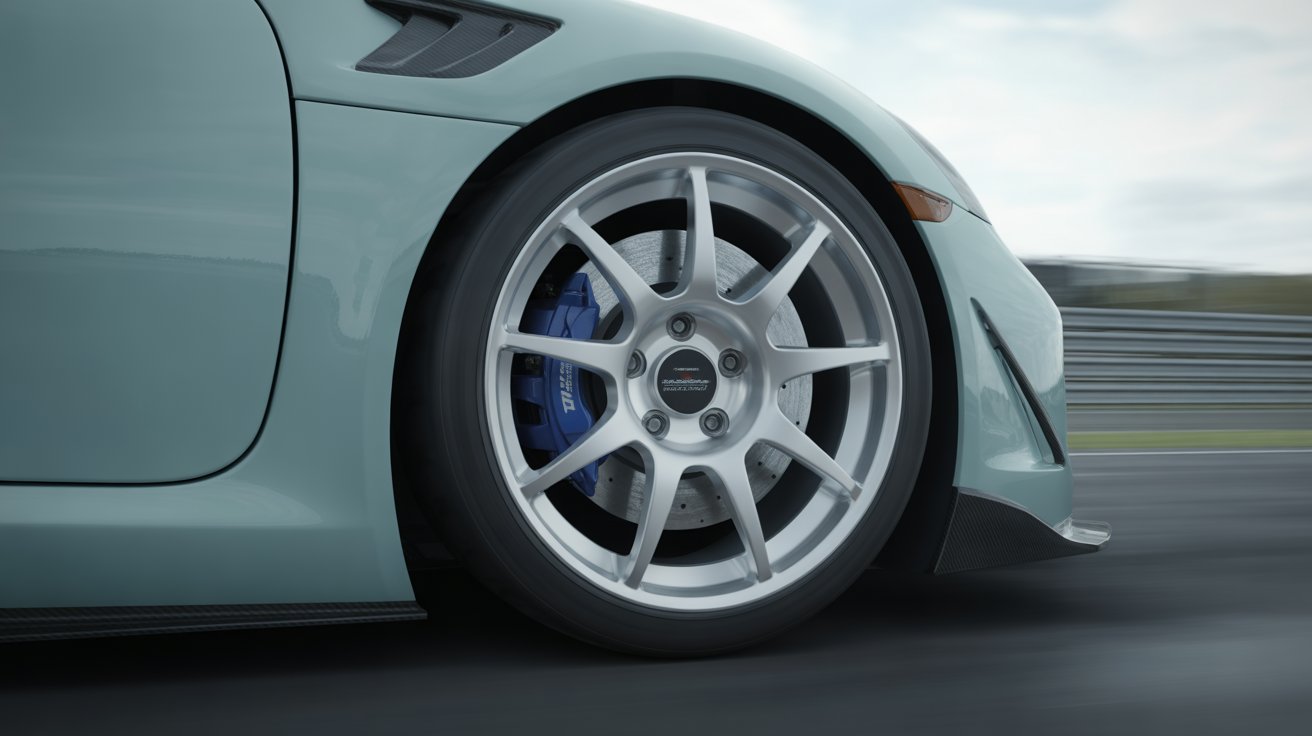
In the world of modern automotive performance, this wheel technology stands out as a smart, accessible upgrade for enthusiasts who want lighter, stronger, and more customizable wheels without jumping to ultra-premium full-billet prices. Developed in the U.S., the process blends rotary forging for centers with a specialized German-engineered spinning method for rims. The result is modular aluminum wheels that cut unsprung weight, improve handling, and fit today’s pro-touring builds, track cars, and even efficiency-focused EVs.
For anyone modifying a classic Camaro, dialing in a Porsche Cayman, or optimizing an electric sports car, the system solves real problems: heavy rotating mass that dulls acceleration and braking, limited fitment options on modified suspension, and the expense of exotic alternatives. It sits right in the sweet spot between everyday cast wheels and full-forged exotics.
What Is Formula 43 and Why Does It Matter Today?
This process—commonly referred to in performance circles by its brand name—was launched around 2010 by a Michigan-based manufacturer led by Ralf Guennewig, a specialist with deep roots in German metal-spinning equipment. Production happens in-house in Livonia, Michigan, using 6061-T6 aluminum for both centers and rim halves.
In simple terms, traditional cast wheels are poured like concrete—inexpensive but heavier and more prone to flex. Full-forged wheels are carved from solid billets—extremely strong but costly and less flexible for custom builds. This hybrid approach uses advanced forming techniques to align the metal’s grain structure naturally, delivering forged-like strength and lightness at a more practical price point.
Why does it matter in 2026? Every gram of unsprung weight (anything not supported by the suspension, including wheels, tires, and brakes) directly affects how quickly a car can change direction, stop, or accelerate. With EVs chasing longer ranges and pro-touring cars running massive brakes and sticky tires, these performance wheels give measurable gains without compromising daily drivability.
How the Manufacturing Process Works: Step-by-Step Breakdown
Let’s break it down simply—no engineering degree required.
Rotary Forging for the Wheel Centers
The center starts as a heated aluminum billet placed in a rotary forging machine. The die spins at roughly 300 RPM while an angled upper die presses down, forcing the metal to flow in a circular pattern that matches the wheel’s radial stresses.
After forging, the piece is heat-treated, quenched, and aged to T6 temper. Digital finite element analysis (FEA) software optimizes spoke thickness and lightening pockets upfront so strength is maximized while weight is minimized.
In simple terms: Think of it like shaping clay on a potter’s wheel instead of smashing it flat. The grain flows with the forces the wheel will actually face, making the center stiffer and lighter than a basic cast piece.
Spin-Form Process for the Rim Halves
Rim halves begin as flat circular sheets of 6061 aluminum. The proprietary three-step method includes:
- Spinning the sheet on a computer-controlled German machine using four rollers to form the precise barrel shape.
- Heat-treating and aging the formed half to T6 condition for peak hardness and corrosion resistance.
- Re-calibrating the half after heat treatment to achieve exceptionally low runout (minimal wobble).
This creates rim halves with properties close to forged material but with far greater design flexibility for modular 2- or 3-piece assemblies. All steps happen in-house, which helps maintain tight quality control and faster turnaround than overseas options.
CAD/CAM software handles custom offsets, widths, and bolt patterns while simulation tools predict real-world loads like 2G cornering or high-horsepower launches.
Quick Summary: Core Manufacturing Advantages
- Grain-aligned metal for superior strength-to-weight ratio
- Modular design for easy width changes
- Low runout straight from the factory
- U.S. production for consistent quality
Key Features That Deliver Real Advantages
- Modular Construction: Swap rim halves for different widths without buying entirely new wheels—perfect when your project evolves from street to track.
- Significant Weight Savings: Often 20–40% lighter than equivalent cast wheels, cutting rotational inertia for quicker response.
- Custom Fitments: Tailored for popular platforms including Porsche, BMW, Corvette, Shelby Cobras, and pro-touring classics. Stepped-lip designs clear big brakes while maintaining an aggressive stance.
- Precision Finishing: Anodized, powder-coated, or polished options with minimal vibration at speed.
- FEA-Optimized Strength: Computer-modeled mounting points and spokes handle real stresses without excess material.
Similar technologies exist—such as generic flow-formed wheels—but this system adds the extra rotary-forged centers and post-heat-treat calibration for noticeably better precision and durability.
Real-World Applications and User Experiences
Enthusiasts run these wheels on pro-touring builds (classic cars updated with modern suspension and brakes), time-attack racing, autocross, and spirited daily drivers.
A standout example is pro-touring icon Mark Stielow’s “Red Devil” 1969 Camaro. Equipped with RAD14 wheels (18-inch front, 19-inch rear), the car tackled a full season of Optima Ultimate Street Car Challenge events with an 800 hp supercharged LS engine, massive Brembo brakes, and Detroit Speed suspension. After thousands of hard miles, the wheels held up exceptionally well and returned for another season, according to detailed builder and manufacturer reports shared in enthusiast communities.
Track-day regulars notice sharper turn-in and more consistent lap times. EV owners benefit from reduced rotational mass that helps extend range and sharpens regenerative braking feel. Custom shops appreciate the domestic production for reliable supply chains and typical three-week lead times on finished sets.
Key Point Summary
- Proven in high-horsepower pro-touring environments
- Delivers measurable handling and efficiency gains
- Trusted by builders and drivers for real-world durability
Benefits: Solving Everyday Performance Problems
Formula 43 wheels directly address common frustrations in modern performance driving. Lower unsprung weight gives quicker acceleration, shorter stopping distances, and more planted cornering. Digital fitment tools and modular design let you specify exact clearances and offsets. Post-process calibration keeps runout extremely low from day one. And the Formula 43 system delivers near-forged performance at a mid-premium price.
Other gains include reduced suspension wear, slightly better fuel economy (or EV range), and stronger resale value on modified vehicles.
Understanding Unsprung Weight (Quick Primer) Unsprung weight is everything below the springs—wheels, tires, brakes, and half the suspension. Cutting it improves suspension response because the springs and dampers don’t have to work as hard to control unsprung mass. Learn more about unsprung weight explained for a deeper dive into why every pound matters.
Who Should NOT Buy These Wheels?
- Budget builders happy with stock or basic cast wheels
- Drivers who rarely push their cars hard (street-only cruisers)
- Anyone unwilling to invest time in proper fitment research
- Those needing ultra-light carbon-fiber options for extreme track-only use
Limitations and Realistic Considerations
Formula 43 system wheels carry a premium price—expect complete sets to range from roughly $4,000 to $8,000+ depending on size, finish, and custom specs (individual wheels often start around $800–$1,500). Lead times for custom orders typically run three weeks plus shipping.
Common fitment mistakes include choosing the wrong offset (causing inner fender rub or poor steering feel) or pairing them with mismatched tire profiles. Always double-check specs with a reputable shop and consult a wheel fitment guide before ordering. Like any aluminum wheel, they need periodic inspection for curb rash, especially after track days or aggressive street use. Minor damage is often repairable, but severe impacts can require professional service.
Maintenance is straightforward: clean regularly with non-acidic wheel cleaners, check torque on hardware, and re-balance tires every season. They’re more durable than many cast options but still benefit from careful driving around potholes and curbs.
Performance characteristics align with standards such as SAE J2530 and similar international durability benchmarks.
Maintenance Checklist
- Inspect for damage after every track day
- Torque lug nuts to spec (usually 80–100 ft-lbs)
- Avoid harsh chemical cleaners
- Re-balance seasonally for best ride quality
Comparison: How It Stacks Up
When comparing Formula 43 to traditional options, the hybrid manufacturing process clearly stands out for enthusiasts who want forged-level performance without the full-forged cost.
| Aspect | Cast Wheels | Full Forged | Spin-Form Technology |
|---|---|---|---|
| Weight | Heaviest | Lightest | Very light |
| Strength | Adequate for street | Excellent | Excellent (grain-aligned) |
| Cost (set) | $1,000–$2,500 | $6,000–$12,000+ | $4,000–$8,000 |
| Customization | Limited | High | Very high |
| Runout Precision | Average | Good | Superior |
| Manufacturing | Casting | Billet machining | Rotary forging + spinning |
| Best Use | Daily driving | Exotic builds | Track & pro-touring |
This wheel technology strikes an excellent balance for most enthusiasts who want forged-level performance without the full-forged cost. Explore forged vs cast wheels for a full breakdown of traditional options.
Future Potential in Connected and Electric Vehicles
As cars become more software-defined and electrified, Formula 43 wheels are well-positioned for the next decade. Future designs could embed tire-pressure, temperature, and wear sensors that feed data directly to the vehicle’s CAN bus or smartphone apps. Lighter hybrid carbon-aluminum options could push range even further while sharpening handling. Increased use of recycled aluminum and energy-efficient processes aligns with net-zero targets. Full virtual testing before production will speed up custom orders and allow hyper-personalized aero features.
In autonomous or high-performance EVs, wheels shift from passive components to active elements in vehicle dynamics systems—adjusting virtually through software while the physical hardware stays reliable and repairable. The Formula 43 system continues evolving with Industry 4.0 tools, keeping it relevant as automotive technology advances.
Key Point Summary
- Sensor-ready for smart vehicles
- EV-optimized for range and dynamics
- Sustainable manufacturing practices
- Digital simulation for faster customization
Why This Matters for You: Practical Takeaways
From an engineering perspective, lowering unsprung weight improves the entire vehicle’s moment of inertia. Builders get faster prototyping and happier customers. Everyday drivers enjoy safer, more responsive miles with less fatigue on long trips.
Key Takeaways
- This system reduces unsprung weight for better handling and efficiency.
- Modular design offers unmatched customization.
- Real-world testing proves durability.
- Balanced price/performance makes it practical for serious enthusiasts.
FAQ
What is Formula 43 wheel technology? It is a modular aluminum wheel manufacturing process using rotary forging for centers and a three-step spin-form method for rims to create strong, lightweight, custom-fit performance wheels.
How does the spin-form process work? Flat aluminum sheets are spun into shape on a four-roller German machine, heat-treated to T6 temper, and then re-calibrated for precision. Centers use rotary forging for aligned grain structure.
Is this wheel technology safe and reliable? Yes. Built to meet or exceed typical industry performance standards (such as those referenced in SAE J2530 guidelines for aftermarket wheels), with in-house quality control. Real-world use on high-horsepower pro-touring cars confirms strong durability when properly installed and maintained.
Who should consider these performance wheels? Pro-touring builders, track enthusiasts, EV owners seeking efficiency gains, and anyone wanting custom lightweight wheels for sports cars or modified classics.
What are the latest developments? Ongoing refinements in finishes, expanded fitments for newer EV platforms, and potential smart-sensor integration. Production stays focused on U.S.-made quality using modern Industry 4.0 tools.
What are common misconceptions? Not every “forged-look” wheel delivers the same grain alignment or modularity. Price reflects genuine engineering value rather than marketing hype.
How does it compare to older wheel solutions? It outperforms cast wheels in strength and weight while offering better value and customization than full billet forged options. Read our wheel offset basics guide to ensure perfect fitment.
Formula 43—or more accurately, this spin-form wheel technology—shows how thoughtful manufacturing innovation keeps improving real-world driving. Whether you’re upgrading a weekend project or optimizing a modern performance build, it delivers tangible benefits in handling, efficiency, and customization.
Ready to explore fitments for your vehicle? Check your exact specs, consult a trusted performance shop, or review related topics like wheel offset basics and forged vs cast wheels explained. The performance edge you’re looking for might already be spinning on the latest designs.
Author Bio Alex Rivera has spent 15+ years in automotive engineering, specializing in chassis dynamics and component testing. He has contributed to OEM supplier programs and worked hands-on with aftermarket builders on dyno, track, and street validation projects. All opinions and analysis here are based on direct experience and verified industry data.
Share this content:




Post Comment