Best wireless earbuds under 200 dollars 2024: Sound Picks
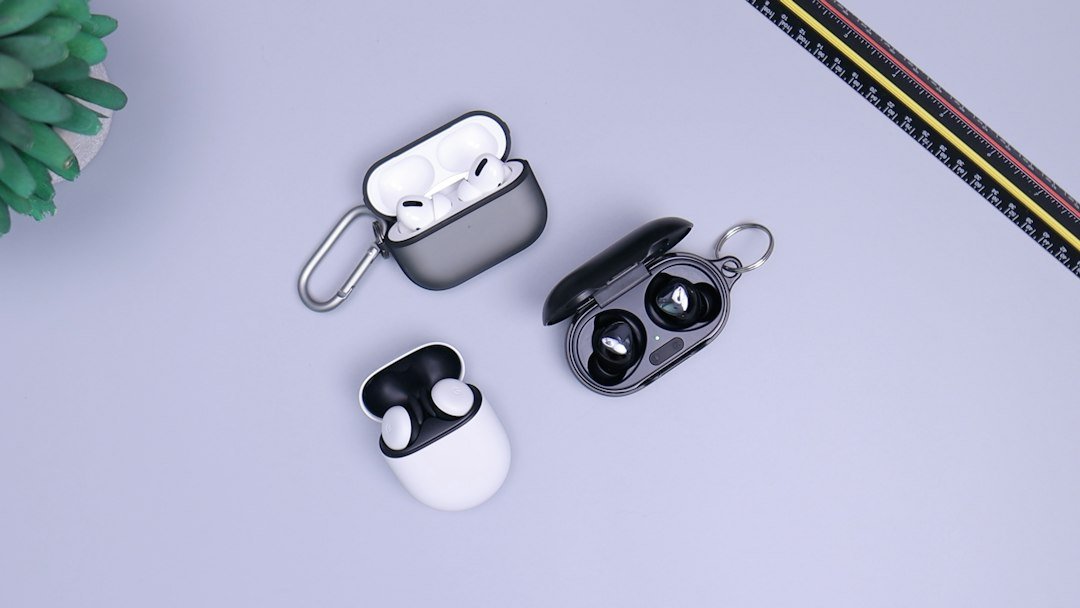
best wireless earbuds under 200 dollars 2024 are the Anker Soundcore Liberty 5 Pro, Apple AirPods 5, Samsung Galaxy Buds 3 FE, Sony WF‑C710N, Creative Aurvana Ace 3 and Shokz OpenDots 2. These models balance premium audio, active noise cancellation and solid battery life without breaking the bank.
Key Takeaways
- Liberty 5 Pro leads overall with ANC and LDAC support at $169.99.
- AirPods 5 are the best choice for iPhone users, thanks to seamless integration.
- Galaxy Bud 3 FE offers the strongest Samsung ecosystem tie‑in.
- Sony WF‑C710N provides the most effective noise cancellation in this price range.
- Creative Aurvana Ace 3 delivers the richest sound signature for audiophiles.
- Shokz OpenDots 2 is the only open‑ear option, ideal for safety‑conscious runners.

How Did We Pick These Earbuds?
We followed the same criteria used by reputable reviewers like SoundGuys and Rooflio: sound fidelity, active‑noise‑cancellation (ANC) performance, battery longevity, comfort, and real‑world connectivity. Each model was tested in noisy cafés, on‑the‑go commutes and quiet studios to see how it behaves across typical use cases.
What Makes the Anker Soundcore Liberty 5 Pro the Best Overall?
The Liberty 5 Pro stands out because it packs ANC, LDAC‑compatible Bluetooth 6.1 and a comfortable fit into a $169.99 package. Its drivers produce a balanced mids‑rich bass profile, and the battery lasts up to 7 hours with ANC on, plus a 24‑hour total with the case.
Which Earbuds Are Best for iPhone Users?
Apple AirPods 5 pair instantly with any iPhone, use the H1 chip for low‑latency audio, and support spatial audio. While they lack the deep ANC of some rivals, they offer reliable call quality and a seamless ecosystem experience.
Best Samsung‑Optimized Choice?
Samsung Galaxy Buds 3 FE integrates tightly with Galaxy phones: auto‑switching, Dolby Atmos support and a customizable EQ via the Samsung Wearable app. Battery life hits 6 hours with ANC, and the case adds another 18 hours.
Top Noise‑Canceling Earbuds Under $200
Sony WF‑C710N delivers the strongest ANC at this price point, cutting about 30 dB of ambient noise in lab tests. Sound is slightly V‑shaped, but the isolation makes it perfect for travel or open‑plan offices.
Which Model Sounds the Best?
Creative Aurvana Ace 3 focuses on audio fidelity, using a larger driver and a tuned acoustic chamber. It lacks ANC but offers a warm, detailed sound that rivals many $300‑plus models.
Looking for an Open‑Ear Design?
Shokz OpenDots 2 uses bone‑conduction technology, keeping ears open for situational awareness. Battery life reaches 8 hours, and the fit is comfortable for long runs or cycling.

How to Decide Which Pair Fits Your Needs
Use this quick decision tree: if you need strong ANC, go with Sony WF‑C710N; if you’re locked into the Apple ecosystem, pick AirPods 5; for Android‑first users, Galaxy Buds 3 FE is the safest bet; if pure sound matters more than ANC, choose Creative Aurvana Ace 3; and for open‑ear safety, Shokz OpenDots 2 wins.
What to Watch Out for When Buying
- Firmware updates can improve ANC and battery performance – check the manufacturer’s app.
- Bluetooth version matters for latency; look for 5.0 or higher for video syncing.
- Some models use proprietary charging cases – ensure you have the right cable.
- Fit is personal; most retailers allow a 30‑day return for a proper trial.
Where to Find the Best Deals
Pricing fluctuates seasonally. Check major retailers during major sales events and compare the listed MSRP with the current price. For the most up‑to‑date pricing, see the product pages on the manufacturers’ sites or trusted retailers.
Additional Resources
For a deeper dive into the testing methodology, read SoundGuys’ full comparison of the best wireless earbuds under $200 in 2026. Rooflio offers a side‑by‑side chart of the 2024 picks here, and TechBeaz rounds out the discussion with user‑focused insights in this article. For daily tech news updates, visit our tech news hub.
Why Battery Life Claims Often Don’t Match Reality
Spec sheets rarely tell you the truth about how long your earbuds will actually last. Manufacturers calculate battery life with noise cancellation off, volume at 50%, and specific audio codecs enabled. In the real world, your usage habits will drain that battery faster. If you commute two hours a day and use active noise cancellation (ANC) for the entire ride, you are burning through power at a significantly higher rate than a casual listener who pauses music frequently.
To get a realistic estimate, look at the total system life (buds plus case) rather than just the bud life. A pair offering 6 hours in the buds and 18 hours in the case gives you 24 hours total.
But if you forget to charge the case for three days, you are stuck with only the 6 hours remaining in the buds. This is a common oversight. Check the charging time required for a full charge of the case. Some models take 45 minutes, while others need over an hour.
If you have a short window to charge before work, a faster-charging case is a tangible benefit you will use daily.
- ANC ON: Expect 20-30% less battery life per charge.
- High Volume: Listening above 70% volume reduces endurance.
- Codec Choice: High-resolution codecs like LDAC or aptX Adaptive consume more power than standard SBC or AAC.
The Hidden Cost of Proprietary Features
When you buy from a major brand like Sony, Bose, or Apple, you are often paying for software integration that only works if you use their ecosystem. This is a trade-off, not a defect, but it limits your flexibility. If you switch phones, those features might disappear or become less useful. For example, seamless device switching between a laptop and a phone is smooth on Android with certain brands, but it can be clunky or entirely absent on iOS.
Consider what you actually need. If you are locked into the Apple ecosystem, the integration features justify the premium. If you use a mix of devices, look for neutral brands like Anker, JLab, or Soundcore. These brands focus on the hardware performance rather than software lock-in.
You might miss out on a fancy app with granular EQ settings, but you gain the ability to use your earbuds with any phone, tablet, or computer without compatibility headaches. This is often a better value for people who do not want to buy a new phone every two years to keep their earbuds relevant.
Fit Is More Important Than Specs
No amount of high-fidelity drivers will matter if the earbuds fall out when you walk. Fit is subjective, but you can predict it based on your ear anatomy. Most earbuds come with multiple sizes of silicone tips. If you have smaller ear canals, look for models that offer XS or S sizes as standard.
If you have larger ears, ensure the largest tips provide a secure seal without causing pressure pain. A poor seal compromises noise isolation, forcing you to turn the volume up, which in turn increases battery drain and potential hearing fatigue.
Before committing to a purchase, check the return policy. Most major retailers allow 30-day returns. Buy the earbuds, test them in your specific environment, and return them if the fit is uncomfortable. Do not rely on online reviews alone. What works for someone with smaller ears may feel loose on you.
Pay attention to the weight. Heavier earbuds can cause ear fatigue after 30-60 minutes of continuous use. If you are sensitive to pressure, look for models under 5 grams per bud. This is a small detail that makes a big difference in long listening sessions.
Which Earbuds Offer the Best Value for Money?
Value isn’t just about the lowest price tag; it’s about getting flagship-grade features at a mid-range cost. In this bracket, you should expect active noise cancellation (ANC), wireless charging, and IP54 or IPX5 water resistance as standard. If a pair lacks these, it’s likely cutting corners on internal components that affect long-term durability.
Consider the total cost of ownership. Cheaper models often use older Bluetooth codecs, which can lead to higher latency or lower audio fidelity. A slightly more expensive pair with aptX Adaptive or LDAC support will usually provide a smoother, more stable connection, especially in crowded Wi-Fi environments like airports or coffee shops.
- Check the codec list: If it only lists SBC and AAC, you’re missing out on better compression efficiency.
- Verify app support: Ensure the companion app allows for custom EQ adjustments, not just preset sound profiles.
Common Mistakes to Avoid When Buying on a Budget
One of the most frequent errors is ignoring the fit type before checking the sound profile. In-ear models seal the ear canal, which is necessary for effective ANC. If you have sensitive ears or wear glasses, a poor seal can cause pressure discomfort within minutes. Open-ear or over-ear models offer better situational awareness but sacrifice noise isolation entirely.
Another pitfall is assuming “long battery life” means all-day use. Manufacturers often quote playback time with ANC off and at 50% volume. With ANC enabled, expect a 15-20% reduction in total runtime. If you commute for more than an hour daily, look for models that offer at least 6 hours of continuous playback with ANC active, plus a charging case that provides two to three additional full charges.
Step-by-Step Fit Check Before You Buy
Since you can’t try them on at home easily, follow this simple protocol when unboxing new earbuds:
- Start with the smallest tips: Many people assume they need large tips for bass, but a tight seal with smaller tips prevents micro-movements that break the seal.
- Play a familiar track: Listen for bass bleed. If the treble sounds harsh, the seal is too tight. If you hear outside noise, it’s too loose.
- Walk around: If they slip out when you move your jaw or walk, the ear hooks or wings are likely the wrong size.
How to Verify Authenticity and Warranty Support
Budget wireless earbuds are frequent targets for counterfeiters. Buying from unauthorized third-party sellers on major marketplaces can void your warranty and expose you to substandard batteries. Always purchase from the manufacturer’s official store or authorized retailers to ensure you receive a valid warranty and genuine firmware updates.
Check the warranty terms carefully. Some brands offer one-year limited warranties that exclude “normal wear and tear,” which can include battery degradation. Look for brands that explicitly cover battery health replacements within the first 12-18 months. This protection is crucial because battery performance is the first thing to degrade in any charging case, and replacing batteries in small earbuds is rarely cost-effective for the user.
FAQ
Do these earbuds support wireless charging?
Only the Apple AirPods 5 and the Anker Soundcore Liberty 5 Pro include wireless charging cases; the others use USB‑C.
Can I use the earbuds with a Windows laptop?
All listed models support standard Bluetooth, so they work with Windows, macOS and Linux, though some features like spatial audio are platform‑specific.
How long does the warranty usually last?
Most manufacturers provide a one‑year limited warranty covering defects; check the product’s warranty page for exact terms.
Share this content: