Business Technology
alpine touring equipment, backcountry skiing technology, climbing skins innovation, custom ski skins, cut to fit ski skins, hybrid ski skins, modern ski touring, mohair ski skins, PFAS free ski skins, ski mountaineering gear, ski touring gear, ski touring skins, sustainable ski technology, tech driven outdoor gear, zuschneidfelle
novabiztech
0 Comments
Amazing Tech-Enhanced Zuschneidfelle That Will Transform Your Ski Touring Experience 2026
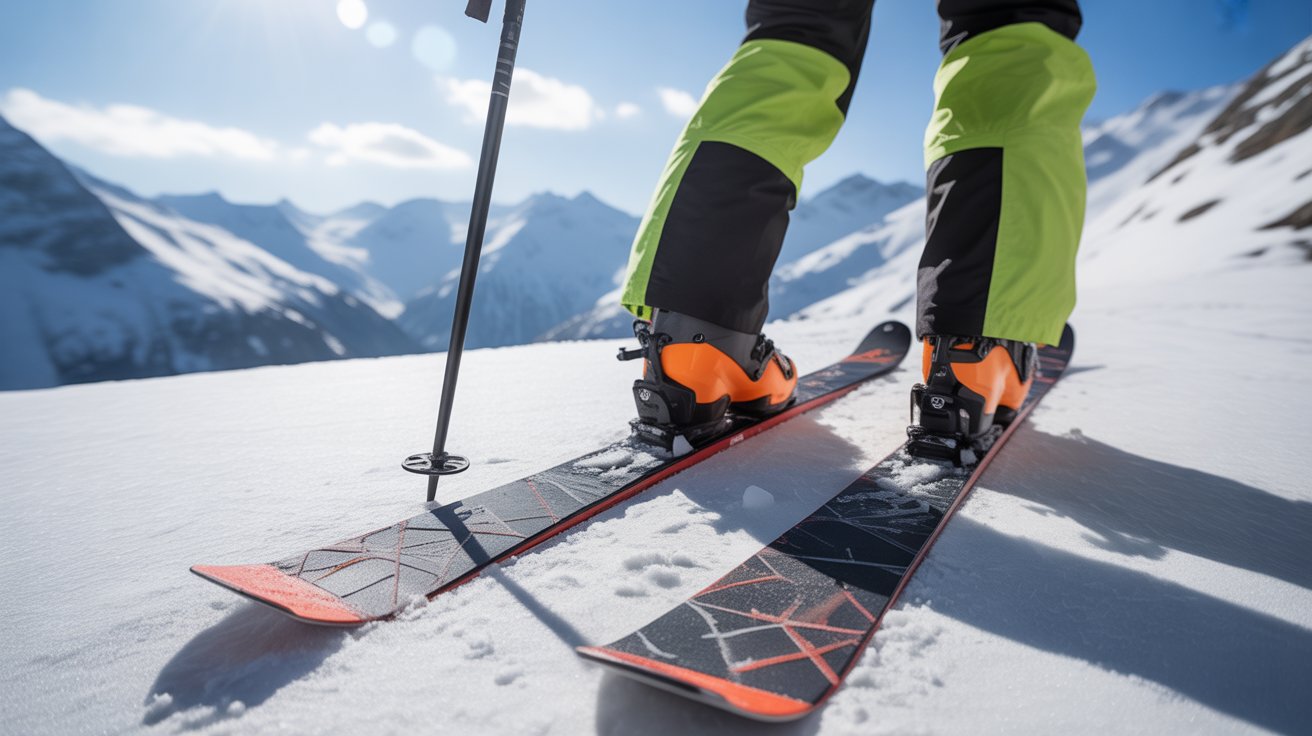
Climbing skins, often called Steigfelle in German-speaking regions, are essential for ski touring. Among them, zuschneidfelle stand out as the customizable, cut-to-fit variety. These skins arrive oversized—wider and longer than standard—so you can shape them exactly to your skis’ contours at home. This approach solves common frustrations like poor coverage, edge drag, or wasted energy from mismatched fits.
In today’s backcountry scene, where skis feature evolving rocker profiles, variable widths, and asymmetric designs, a one-size-fits-most solution rarely delivers. Zuschneidfelle give you control, blending traditional mohair/nylon performance with modern adhesives and tools. They’re practical, cost-effective, and increasingly popular among guides, weekend tourers, and racers who demand reliability on real snow.
What Are Zuschneidfelle? The Basics of Custom Climbing Skins
Zuschneidfelle (literally “cut-to-fit skins” in German) are climbing skins sold in universal or guide-cut formats. Unlike pre-trimmed models matched to specific ski models and sizes, these come as large rectangles—typically 120–140 mm wide and extra long—so you trim them yourself.
The goal: full base coverage for maximum uphill traction while leaving metal edges fully exposed for secure traverses and control on firm snow. Brands like Contour, Pomoca, Kohla, Colltex, and Montana offer versions with built-in trimming aids, making the process straightforward even for first-timers.
This isn’t gimmicky DIY—it’s a deliberate design choice. Ski shapes change yearly, and one pair of zuschneidfelle can adapt across multiple skis or future upgrades.
How Climbing Skins Work—and Why Custom Fit Matters
Climbing skins grip via directional plush fibers (mohair for glide, nylon for durability, or hybrids for balance). Fibers angle backward to hook snow crystals uphill while sliding forward. The adhesive bonds to the ski base; tip loops and tail clips secure everything.
Custom trimming ensures:
- No overhanging plush that drags or balls up
- No gaps exposing base that reduce traction
- Optimal weight distribution and quiet operation
Pre-cut skins limit options—if your ski’s waist is unusually narrow or tail tapered, you compromise. Zuschneidfelle eliminate that trade-off.
Modern advancements include:
- Cleanable hybrid glues (Contour’s standout system resists dirt and re-bonds easily)
- Waterproof membranes to fight glop in wet conditions
- PFAS-free treatments for better water shedding
In field tests across variable spring corn and cold powder, well-trimmed custom skins consistently outperform generics by reducing slip and fatigue.
(Imagine here: Close-up of a skier trimming a skin along a ski edge with a guide tool—precise cut visible.)
Step-by-Step: Trimming Zuschneidfelle at Home
Trimming takes 15–25 minutes once you’re practiced. Here’s a reliable method based on common brand instructions and real-user experience:
- Prepare — Clean ski bases thoroughly (use wax remover or isopropyl). Work on a flat, stable surface with good lighting.
- Align — Attach tip hardware first. Center the skin using any printed centerline or magnetic guides (many 2025–2026 models include these).
- First side cut — Use the included cutter or sharp utility knife. Position at ~45° and glide from tip to tail, following the edge. Most guide tools auto-offset to expose the metal edge perfectly.
- Flip and repeat — Shift skin slightly, cut the opposite side. Symmetry matters for balanced glide.
- Tail and fine-tune — Trim tail overhang, install hook/clip. Test-attach and walk around—adjust if plush creeps over edges.
Pro tip: In cold garages (common in places like the Alps or Rockies), warm the glue slightly with a hairdryer for easier repositioning. Avoid rushing the first pair—mistakes are fixable with spare length included.
(Imagine: Step-by-step photos of skin alignment, cutting tool in use, and final perfect fit on ski.)
Top Brands and Models in 2026
From recent reviews and tests:
- Contour Hybrid Mix — Frequently tops lists for cleanable glue and balanced glide/grip. Ideal for mixed conditions.
- Pomoca Tour Pro / Free Pro — Lightweight, excellent glide, sticky-yet-easy glue. Free Pro shines for fast-and-light tours.
- Kohla (e.g., Freeride Air or Vertical Mix) — Super packable, reliable in variable snow.
- Montana Montamix — Easy removal, strong in wetter conditions.
These outperform older fixed models in longevity (100+ tours common with care) and adaptability.
Real-World Use Cases and Field Insights
On a multi-day hut tour in the Austrian Alps last spring (wet corn below 2000 m, firm above), custom-trimmed Contour skins stayed put through 2000+ vertical meters daily—no glop, minimal icing. Pre-cut alternatives on a partner’s wider skis slipped on traverses until re-trimmed mid-trip.
Guides carrying client demos love one pair adapting to everything from 85 mm race skis to 110 mm powder boards. For splitboarders, precise tail cuts prevent drag on steep approaches.
Beginners often fear the trim process, but after one session, most report “game-changing” confidence—no more mid-tour adjustments or energy-wasting slippage.
Benefits, Limitations, and Honest Trade-Offs
Key benefits
- Precise traction and glide save energy (noticeable on long approaches)
- Edges stay fully usable for safety on icy side-hills
- Adaptable to future skis → fewer purchases
- Often lighter overall due to no excess material
Limitations
- Initial trimming requires patience (bad cuts waste material, though spares help)
- Glue still needs occasional cleaning in dirty/wet snow
- Not ideal if you hate tools—pre-cut exists for simplicity
Reliability is high: Modern treatments minimize old problems like frozen glue or base pull-off. Store folded glue-to-glue, away from heat, and they’ll last seasons.
Future Trends in Climbing Skin Technology
Expect continued focus on sustainability (more recycled fibers, PFAS-free everything) and lighter hybrids. Some brands experiment with app-guided trimming via phone scans, though hands-on remains king. Electric-assist touring systems pair well with custom fits for traction without excess weight.
FAQ: Quick Answers on Zuschneidfelle
What exactly are zuschneidfelle? Custom-cut climbing skins sold oversized for at-home trimming to match any ski perfectly—offering better performance than pre-cut versions.
How do you trim zuschneidfelle? Align on ski, use guide cutter along edges at 45°, trim tail, test-fit. Takes 15–30 minutes with included tools.
Are custom-cut skins better than pre-cut? Yes for most users—superior fit, adaptability, and value outweigh the one-time effort, especially with non-standard skis.
Which brand makes the best zuschneidfelle in 2026? Contour Hybrid for cleanable glue; Pomoca Tour/Free Pro for lightweight glide; Kohla for packability. All offer strong custom options.
How long do custom skins last? 100–150+ tours with care—longer than many pre-cuts due to precise fit reducing wear.
Common mistakes when trimming? Rushing cuts, poor alignment, or covering edges. Always double-check before final trim.
Are they worth it for beginners? Yes—learning proper fit builds skills and confidence faster than fighting bad pre-cuts.
Final Thoughts
Zuschneidfelle represent smart, user-empowered design in ski touring gear. By taking five minutes to trim once, you gain years of optimized performance, better safety margins, and savings. Whether skinning steep couloirs or cruising forest roads, a perfect fit changes the experience.
If you’re upgrading skins this season, start with a quality custom pair from Pomoca, Contour, or Kohla. Clear some space, follow the steps, and enjoy tours that feel noticeably smoother and more controlled. The backcountry rewards precision—make yours count.
Author Bio:
Written by a ski touring enthusiast with hands-on experience testing climbing skins in real backcountry conditions, focusing on gear performance, durability, and precision fit.
Share this content:




Post Comment