Homeware Zone 2026: Smart Living with AI, IoT, and Matter-Powered Home Technology
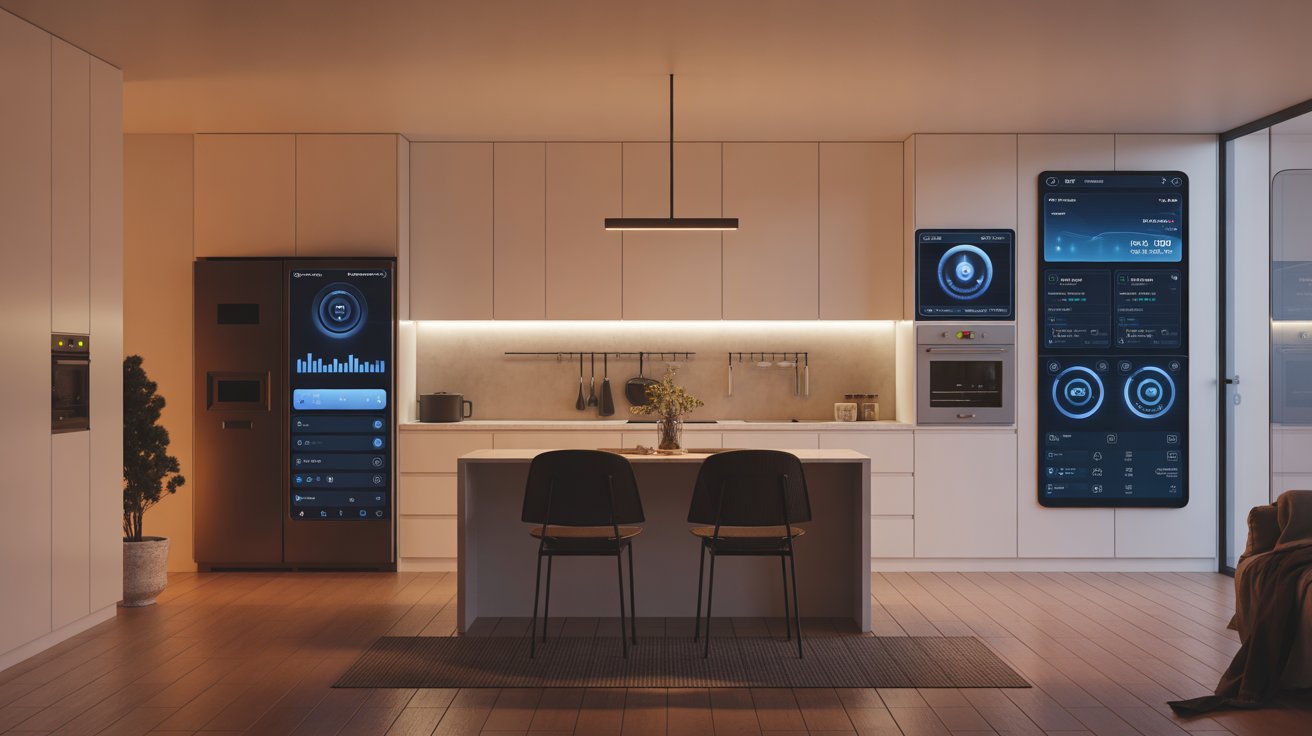
The homeware zone in 2026 stands at the forefront of smart living, merging everyday household items with advanced connectivity, AI, and sustainable design to create responsive, efficient home environments. This isn’t about isolated gadgets—it’s a cohesive ecosystem where lighting, appliances, and sensors work together via standards like Matter, delivering real value through energy savings, reduced waste, and personalized comfort.
Recent showcases at CES 2026 highlighted this evolution, with major emphasis on interoperable devices, AI-enhanced appliances, and subtle, design-focused tech that prioritizes user experience over complexity. For households in places like USA facing variable energy costs and growing interest in modern efficiency, the homeware zone offers practical solutions that scale from budget starters to full integrations.
Quick Value Highlights:
- Energy savings — AI-driven systems often achieve 12-30% reductions in peak consumption through automation and smart monitoring.
- Waste reduction — Inventory-aware appliances help cut household food waste, which remains around 30-40% of the US food supply (with similar global patterns).
- Wellness & convenience — Adaptive lighting and air quality tools support better daily routines without constant manual tweaks.
- Future-proofing — Matter protocol adoption ensures devices from different brands communicate seamlessly.
What Makes the Homeware Zone a 2026 Technology Priority
The homeware zone transforms traditional home essentials into an intelligent layer of the smart home. It focuses on functional zones (kitchen, living, bedroom) equipped with connected products that adapt via IoT and AI.
Unlike earlier fragmented setups, 2026 versions leverage the Matter standard for true interoperability—devices from IKEA, Aqara, Samsung, and others work together without ecosystem lock-in. CES 2026 demonstrated this maturity through expanded Matter support in lighting, locks, sensors, and appliances.
This approach solves key modern challenges: rising utility bills, time scarcity, environmental impact, and the desire for homes that feel intuitive rather than tech-heavy.
Core Features in Today’s Homeware Zone
Circadian and Adaptive Lighting
Smart LEDs shift color temperature and intensity based on time of day or occupancy, promoting better sleep and mood while cutting energy use.
- Automatic adjustments save 20-40% on lighting costs in many setups.
- Integration with hubs for scene-based control (e.g., “relax” or “focus”).
- Design-led options from brands like IKEA blend seamlessly into décor.
Intelligent Kitchen Solutions
AI appliances lead here, with fridges using cameras to track inventory and suggest recipes, ovens optimizing cook times, and compact smart ovens identifying food geometry for precise results.
- Reduces food spoilage and waste significantly.
- Remote monitoring and pre-heating via apps fit busy lifestyles.
- CES 2026 standouts included Samsung’s inventory-aware models and GE Profile’s barcode-scanning fridges.
Monitoring and Automation Tools
Energy trackers, air purifiers, and sensors provide real-time insights and automatic adjustments.
- Dashboards reveal consumption patterns for targeted savings.
- Wellness features like air quality optimization tie into overall health.
| Category | Key 2026 Advancement | Primary Benefit |
|---|---|---|
| Lighting | Matter-enabled circadian LEDs | 20-40% energy reduction, mood support |
| Kitchen Appliances | AI inventory & recipe suggestion | Cuts 30-40% household food waste impact |
| Energy/Wellness | Real-time sensors & automation | 12-30% peak load savings |
Step-by-Step: Building Your Homeware Zone
- Identify priorities — Start with high-impact areas like kitchen or main living space.
- Choose Matter-compatible hardware — Ensures future flexibility across brands.
- Set up connectivity — Use a central hub (Google Home, Apple Home, SmartThings) or Matter border router.
- Create routines — Automate based on time, presence, or habits (e.g., lights dim at sunset).
- Review data regularly — Adjust via app insights for ongoing optimization.
Beginners can start with affordable sensors or plugs, expanding gradually.
Tangible Benefits Backed by Trends
Households adopting these systems report measurable gains in efficiency and quality of life. Energy management delivers consistent savings, while waste-reducing features address a persistent global issue.
In sustainability-focused regions, this aligns with broader electrification trends and renewable integration. For families or professionals, automation frees time and reduces stress through proactive adjustments.
Realistic Limitations to Consider
Upfront investment varies—starter Matter devices cost modestly, but full zones add up.
- Security — Prioritize encrypted, updated devices and strong network protection.
- Connectivity — Stable Wi-Fi or Thread support is essential; backups help during outages.
- Learning curve — Apps have improved, but initial setup benefits from guides.
Matter’s growth in 2026 mitigates compatibility headaches significantly.
Homeware Zone vs. Traditional Approaches
Static homeware lacks insight or adaptation. The connected version is predictive:
- Manual vs. automated energy management → proactive savings.
- Guesswork vs. data-driven inventory → less waste.
- Isolated products vs. ecosystem → unified control.
CES 2026 trends confirm the shift toward affordable, interoperable staples over novelty.
Looking Ahead: 2026 and Beyond
Matter continues maturing, with broader adoption in everyday items like IKEA’s embedded connectivity. Expect more cognitive AI for independent learning, energy-harvesting devices (battery-free switches/locks), and subtle robotics.
Trends point to “liveable tech”—calm, human-first automation that fades into the background while handling routines. Sustainability drives biodegradable materials and renewable-powered gear.
FAQ
What is homeware zone in technology?
The homeware zone is a connected ecosystem of household items enhanced by IoT, AI, and standards like Matter, creating adaptive, efficient living spaces in 2026.
How does homeware zone work?
Devices link via Matter or similar protocols, with AI analyzing habits to automate lighting, appliances, and monitoring for convenience and savings.
Is homeware zone safe and reliable?
Reputable Matter-certified products offer strong encryption and updates; reliability improves with stable networks and backups—widely adopted in 2026.
Who benefits most from a homeware zone?
Busy households, sustainability-focused users, or anyone wanting lower bills and easier routines—scalable for apartments to larger homes.
What key developments emerged in 2026?
CES 2026 showcased expanded Matter support, AI appliances (inventory fridges, compact ovens), energy-harvesting tech, and affordable sensors from brands like IKEA and Aqara.
Are there common misconceptions?
Many think it’s overly expensive or complicated—budget Matter starters exist, and apps simplify everything. It’s not just “gadgets” but practical efficiency tools.
How does it outperform older home setups?
It shifts from passive/manual to predictive/interconnected, delivering real energy savings, waste reduction, and personalization impossible in traditional arrangements.
Conclusion
The homeware zone captures 2026’s smart home essence: thoughtful technology that enhances daily life without dominating it. Through Matter-driven interoperability, AI insights, and sustainable focus, it tackles energy costs, waste, and convenience head-on.
As adoption accelerates post-CES 2026, homes become more intuitive and eco-friendly. Explore Matter-compatible starters today—whether a smart plug or lighting kit—and gradually build a zone that fits your needs. The future of living is connected, calm, and remarkably efficient.
Author Bio:
Adam Scott is a smart home technology enthusiast and writer with a focus on IoT, AI-driven home systems, and sustainable living. With years of experience exploring smart appliances, connected spaces, and emerging trends showcased at CES, he helps readers understand and implement practical innovations in modern homeware.
Share this content:




Post Comment