What Is Gessolini? The Luxury Finish Designers Love in 2026
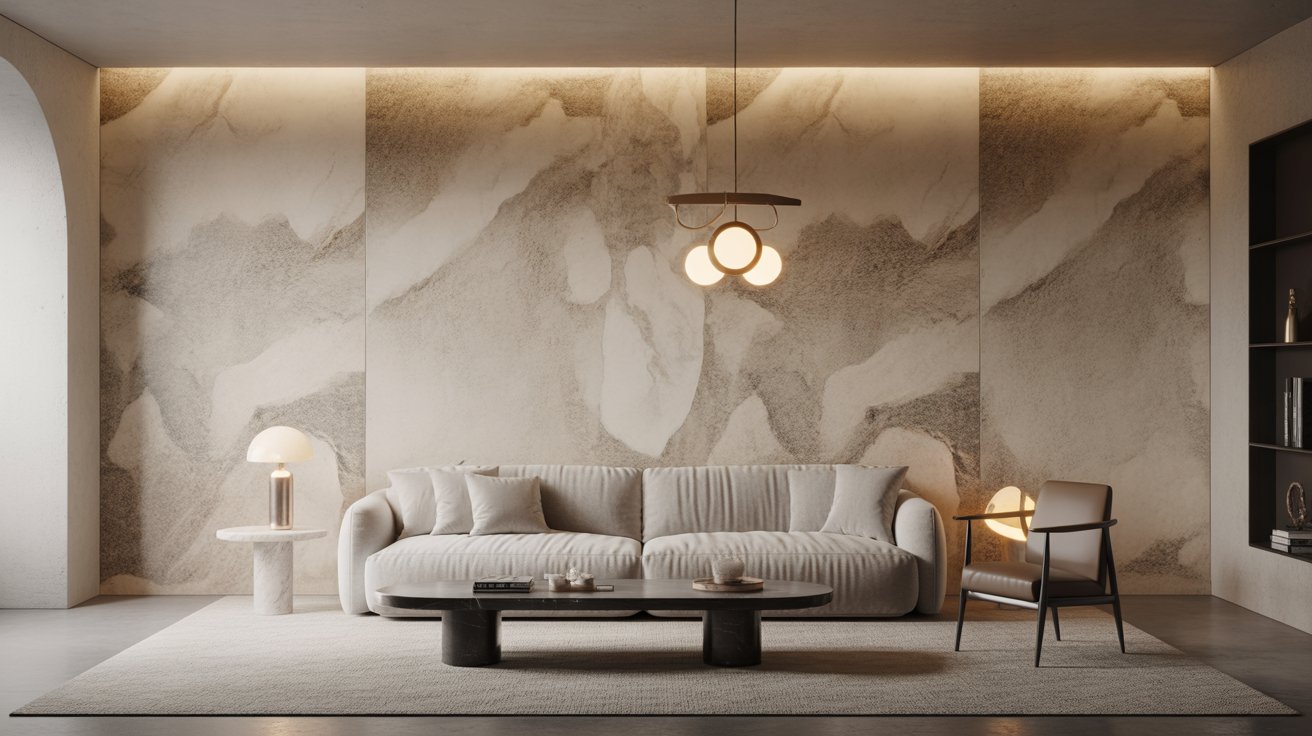
What Is Gessolini? Tradition Meets Contemporary Craft
Gessolini is a refined, plaster-based decorative technique originating from Italy, derived from the word gesso (plaster or chalk). Historically used to prepare smooth, durable surfaces for painting, gilding, or architectural ornamentation, it creates elegant, tactile finishes with subtle sheen, depth, and color variation.
Unlike basic gypsum plaster, Gessolini involves specialized mixes—often lime- or gypsum-based with natural additives—that artisans apply in thin, polished layers to achieve marble-like or velvety effects. Today, it enjoys renewed popularity in luxury interiors, where it delivers warmth and sophistication that synthetic materials struggle to replicate.
In a technology-driven era, Gessolini stands out as “low-tech intelligence”: a material whose performance relies on human mastery and material understanding rather than embedded electronics. Yet digital tools are transforming how it’s designed, specified, and even produced at scale.
Historical Roots: From Renaissance Workshops to Modern Revival
Gessolini traces back to Renaissance Italy, where craftsmen used gesso grosso (coarse plaster) and gesso sottile (fine plaster) to prime panels and create ornate stucco work. Venetian and Florentine artisans perfected multi-layer application techniques, burnishing surfaces to a soft luster.
By the 19th–20th centuries, industrial gypsum production made similar finishes more accessible, but the hand-applied artistry of true Gessolini remained elite. Recent decades have seen a revival driven by:
- Demand for authentic, non-toxic alternatives to vinyl and laminate
- Biophilic design trends favoring natural textures
- Luxury hospitality and residential projects seeking unique character
In 2025–2026, designers blend heritage methods with modern sustainability—incorporating recycled aggregates, low-VOC binders, and bio-based additives.
How Gessolini Works: Traditional Application vs. Modern Enhancements
Classic Workflow
- Surface Preparation — Clean and key the substrate (wall, panel, or ceiling).
- Base Coats — Apply 2–4 layers of coarser plaster mix for structure.
- Finish Coats — Trowel on finer Gessolini layers, often pigmented for depth.
- Burnishing & Polishing — Use steel trowels or stones to compress and polish, creating subtle sheen without gloss.
- Sealing — Optional wax or natural oil for protection and enhanced tactility.
Modern Digital Integration Contemporary studios use technology to elevate the craft:
- Parametric Design Software (Rhino + Grasshopper, Blender): Generate complex patterns, simulate light interaction, and optimize layer thickness.
- CNC & Robotic Application: For large-scale or repetitive elements, robotic arms apply base layers precisely, reducing labor while preserving hand-finishing for final polish.
- Material Simulation Tools: AI-assisted apps predict shrinkage, cracking, or color shifts based on humidity and temperature data.
- 3D Scanning & AR Preview: Clients scan spaces, overlay virtual Gessolini finishes via augmented reality apps, and make real-time adjustments.
These tools don’t replace artisan skill—they amplify it, enabling faster prototyping and greater customization.
Key Features & Advantages in Today’s Context
- Tactile & Visual Depth — Subtle undulations catch light differently throughout the day, creating living surfaces.
- Acoustic & Thermal Benefits — Porous nature improves sound absorption and passive humidity regulation.
- Sustainability Edge — Natural formulations often use lime (carbon-sequestering) or recycled content; low embodied energy compared to composites.
- Repairability — Damaged areas can be seamlessly patched—unlike rigid panels or wallpapers.
- Versatility — Walls, ceilings, furniture accents, art objects, even sculptural lighting fixtures.
- Non-Toxic & Breathable — Ideal for healthy indoor environments (low VOCs when using traditional recipes).
Expert Insight — Many designers note that Gessolini “ages gracefully,” developing patina that enhances character—unlike plastics that degrade visibly.
Real-World Applications & Industry Examples
- Luxury Residential — High-end villas in Dubai and Milan feature Gessolini accent walls that shift appearance under smart lighting.
- Hospitality — Boutique hotels use it for lobby features and suites, boosting guest ratings for “warm, authentic” ambiance.
- Retail & Showrooms — Luxury brands apply Gessolini to display plinths and feature walls for tactile branding.
- Art & Restoration — Museums employ it for conservation-grade replicas or modern interventions in historic buildings.
- Sustainable Projects — Eco-focused architects pair it with rammed earth or cross-laminated timber for holistic natural-material palettes.
In 2026, parametric Gessolini patterns appear in adaptive office fit-outs, where acoustic performance meets aesthetic flexibility.
Benefits vs. Traditional & Synthetic Alternatives
| Aspect | Traditional Gessolini | Modern Synthetic Finishes | Parametric/Digital Gessolini |
|---|---|---|---|
| Aesthetic Authenticity | Exceptional | Often artificial | Exceptional + customizable |
| Environmental Impact | Low (natural binders) | High (plastics, VOCs) | Low + optimized material use |
| Customization | High (hand variation) | Limited | Very high (algorithmic) |
| Installation Time | Labor-intensive | Fast | Balanced (robot + hand) |
| Longevity & Repair | Excellent | Variable | Excellent |
| Cost (per m² installed) | $80–150 | $40–90 | $90–160 (ROI via uniqueness) |
Limitations & Practical Considerations
- Labor Dependency — True quality still requires skilled applicators; training programs are emerging but limited.
- Moisture Sensitivity — Best in controlled environments; bathrooms/kitchens need protective topcoats.
- Upfront Cost — Higher than paint or wallpaper, though lifecycle value (durability + appeal) compensates.
- Scale Challenges — Full-room applications remain artisanal; hybrid robotic use helps but isn’t universal yet.
Misconception Alert: Not all “decorative plaster” is Gessolini—many commercial products are pre-mixed synthetics lacking the depth and breathability of authentic versions.
Who Should Consider Gessolini in 2026?
- Interior designers seeking signature, non-replicable textures
- Architects prioritizing biophilic, healthy materials
- Luxury developers differentiating properties
- Sustainable builders avoiding high-impact synthetics
- Homeowners renovating statement spaces
Start small: accent features or sample panels help assess fit.
Future Potential: Digital Craft Evolution
Looking ahead, Gessolini could merge further with tech:
- Bio-hybrid Formulations — Lime + mycelium or algae for carbon-negative versions.
- AI Pattern Optimization — Generative design creating site-specific motifs based on light, acoustics, and climate data.
- Modular Prefab Elements — Factory-produced panels with hand-finished details for faster installs.
- Smart Surface Add-ons — While core material stays passive, thin conductive layers could enable subtle lighting or sensing integration without compromising tactility.
The trend points toward “augmented craftsmanship”—technology serving human artistry rather than replacing it.
FAQ: Gessolini Essentials
What is Gessolini in modern design? A traditional Italian decorative plaster technique using fine gesso-based mixes for elegant, textured surfaces—now enhanced by digital design and sustainable formulations.
How does Gessolini differ from regular plaster? It uses specialized, layered application and burnishing for superior depth, sheen, and tactility—far beyond basic skim coats.
Is Gessolini eco-friendly and safe? Yes, especially lime-based versions (breathable, low-VOC, carbon-sequestering). Avoid synthetic additives for maximum sustainability.
Who should use Gessolini today? Designers, architects, and homeowners wanting authentic, durable luxury finishes in residential, hospitality, or commercial spaces.
What are the latest developments in Gessolini? Increased use of parametric software, robotic application for scale, and bio-additives for greener recipes—bridging craft and innovation.
Common misconceptions about Gessolini? It’s often confused with mass-produced Venetian plaster or synthetic mimics; authentic versions require skilled hand work for true character.
Can Gessolini integrate with smart homes? Indirectly—pair it with embedded lighting or sensors for responsive environments while keeping the material itself passive and natural.
Conclusion: Why Gessolini Matters in the Digital Age
Gessolini proves that innovation doesn’t always mean high-tech disruption. Sometimes it means rediscovering time-tested materials and augmenting them with digital precision, sustainability focus, and creative freedom.
In 2026, as we seek balance between cutting-edge efficiency and human warmth, Gessolini offers a compelling path: surfaces that feel alive, age beautifully, and respect the planet. Whether through traditional trowel work or parametric workflows, it reminds us that the best modern inventions often build on the wisdom of the past.
Ready to explore? Commission a sample panel, run a digital mock-up of your space, or connect with certified applicators. The elegant future of interiors might just be a polished plaster layer away.
About the Author:Maria Rossi is a design and materials expert specializing in Italian plaster, sustainable interiors, and digital craftsmanship. She helps architects and designers create elegant, eco-friendly surfaces that blend tradition with modern innovation.




Post Comment