Business Technology
Advanced Polymer Coatings, Automotive Coating Solutions, Coating Industry Innovations, Eco Friendly Coatings, Furniture UV Finishing, High Performance Coatings, Industrial Coating Technology, LED UV Coatings, Smart Manufacturing Materials, Sustainable Manufacturing Tech, UV Curable Coatings, UV Lacquer Systems, UV LED Curing Systems, Uvlack Technology, Zero VOC Coatings
novabiztech
0 Comments
Uvlack Technology 2026: The Powerful UV Coating Innovation Replacing Slow, Toxic Finishes
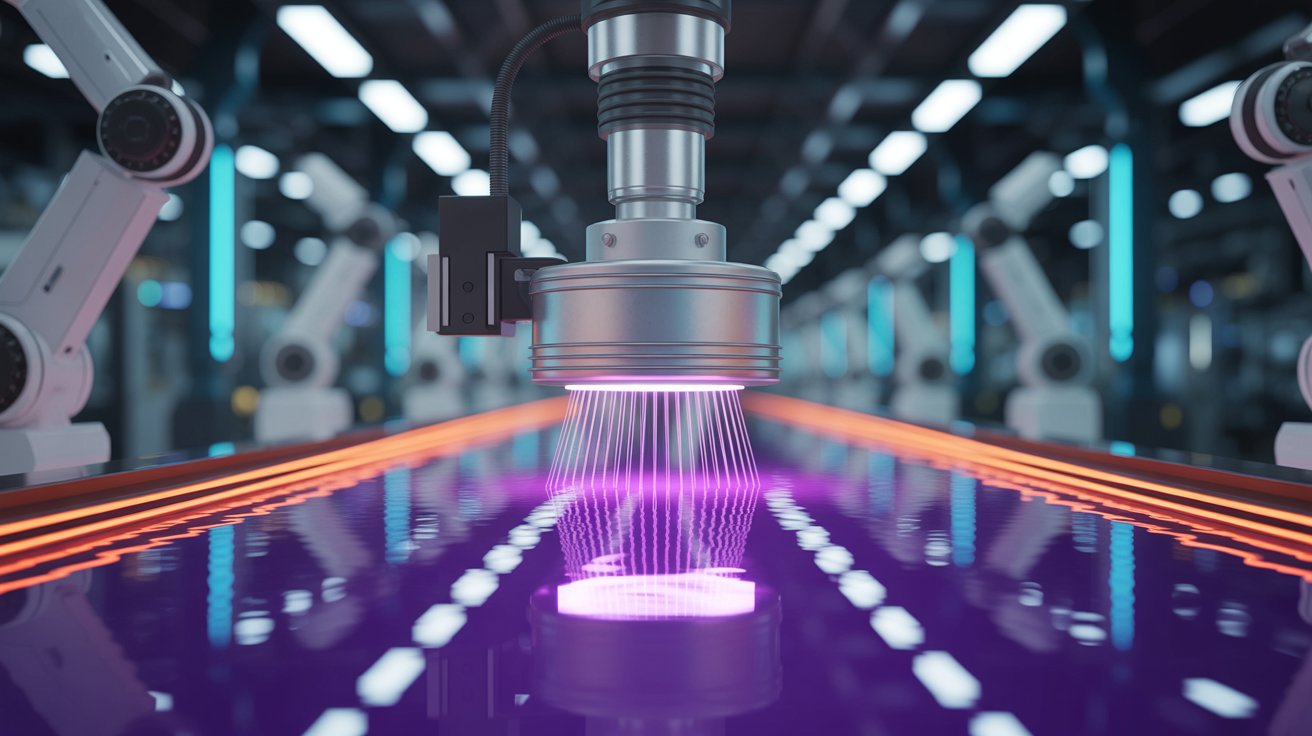
In the push toward faster, greener, and more reliable manufacturing, UV-curable coatings—often referred to in industry circles as Uvlack or UV lacquer systems—have become a cornerstone innovation. These coatings cure from liquid to solid in seconds under ultraviolet light, eliminating long drying times, heavy energy use, and harmful emissions common in traditional finishes.
This technology stands out in today’s environment of tight regulations, supply chain demands, and sustainability goals. With the global UV-curable coatings market valued around $9–10 billion recently and projected to grow steadily (e.g., reaching approximately $15 billion by the early 2030s per Grand View Research trends), adoption is accelerating. Companies use it for premium, long-lasting surfaces on plastics, wood, metals, and more.
The real draw? It aligns perfectly with modern production needs: rapid throughput, reduced environmental footprint, and consistent high performance.
What Is Uvlack Technology?
Uvlack is shorthand for high-performance UV-curable coating systems. These are liquid formulations—primarily oligomers, reactive monomers, photoinitiators, and functional additives—that polymerize rapidly when exposed to UV radiation, typically from LED sources in the 365–405 nm range.
Unlike solvent-based paints that dry through evaporation or heat-cured systems requiring ovens, these coatings are often 100% solids or waterborne hybrids with minimal to no VOCs. Application happens via spray, roller, curtain, or dip methods, followed by brief UV exposure for instant hardening.
Advancements include LED-optimized formulas that run cooler (avoiding substrate distortion), bio-based options, and additives for special effects like anti-fingerprint or antimicrobial properties.
How UV-Curable Coatings Work: The Core Process
The curing mechanism is a fast photochemical reaction:
- A thin, uniform layer (usually 10–80 microns) is applied to the substrate.
- UV light hits the surface, activating photoinitiators to generate free radicals (or cations in some systems).
- These trigger a chain polymerization where monomers and oligomers cross-link into a dense, durable network.
- The coating solidifies in 1–10 seconds, ready for immediate handling or further processing.
Modern LED systems provide precise, energy-efficient curing with instant on/off capability and minimal heat—key for heat-sensitive materials like plastics or composites.
This results in superior cross-link density, leading to excellent resistance against scratches, chemicals, and abrasion.
Key Features Advancing in 2026
Today’s UV-curable systems include:
- LED-compatible formulations for cooler, longer-lasting operation.
- Nanoparticle enhancements for added hardness without brittleness.
- Hybrid waterborne versions for low odor and easy cleanup.
- Smart additives offering self-healing, antimicrobial, or soft-touch effects.
- IoT integration for real-time monitoring of UV intensity and cure quality.
These features support automation in smart factories, with robotic application and AI-driven adjustments.
Real-World Applications and Industry Examples
Automotive manufacturers increasingly turn to UV-curable coatings for interior components like dashboards, door panels, and trim pieces. Red Spot Paint and Varnish, for instance, supplies systems that deliver outstanding scratch and chemical resistance against everyday exposures like sunscreens and cleaners. BASF highlights how these coatings provide flexibility, performance, and cost savings in auto interiors.
In furniture, companies like Sayerlack and others use UV systems for high-efficiency finishes on wood products, reducing production space and improving abrasion resistance. Case studies from facilities (e.g., via EPA-supported reports) show conversions to UV-curable topcoats and sealers on office furniture, seating, and cabinets, with benefits including faster throughput and lower emissions.
Electronics benefit from conformal coatings (e.g., UV-protective layers on PCBs), while packaging gains instant-cure varnishes for high-speed lines without smearing.
Proven Benefits with Industry Backing
Many manufacturers report:
- Throughput gains of 30–50% from seconds-long curing versus hours in ovens.
- Energy reductions of 50–75% (or up to 85% in some LED replacements, per Phoseon Technology insights).
- Environmental wins with near-zero VOCs, aligning with regulations and ESG goals.
- Superior durability meeting ASTM/ISO tests for abrasion, chemicals, and weathering.
- Cost advantages through lower labor, energy, scrap, and rework—often with ROI in 12–24 months.
According to market analyses like Grand View Research and Future Market Insights, these factors drive continued expansion.
Limitations and Practical Workarounds
Challenges remain:
- Requires line-of-sight exposure; shadowed areas on complex parts need multi-angle lamps or dual-cure (UV + moisture/thermal) formulas.
- Initial equipment investment for UV stations.
- Sensitivity to thickness, cleanliness, and formulation matching.
Solutions involve modular LED arrays, robotic multi-angle curing, and hybrid chemistries. Smaller operations can begin with compact bench systems.
UV-Curable vs. Traditional Coatings Comparison
| Feature | UV-Curable Coatings | Solvent-Based | Water-Based | Powder Coating |
|---|---|---|---|---|
| Cure Time | 1–10 seconds | Hours–days | 30–60 min + dry | 10–30 min bake |
| Energy Use | Low (LED: 50–85% savings) | High (ovens) | Medium | High (ovens) |
| VOC Emissions | Near zero | High | Low | Zero |
| Scratch/Chemical Resistance | Excellent | Good | Moderate | Very high |
| Heat-Sensitive Substrates | Excellent | Limited | Good | Poor |
| Production Speed | Highest | Slow | Medium | Medium |
| Initial Setup Cost | Medium–high | Low | Low | High |
UV-curable options lead in speed, eco-friendliness, and modern compatibility.
Safety and Reliability Considerations
Enclosed LED setups minimize direct exposure risks (safer than older mercury lamps). Formulations comply with FDA, REACH, UL, and IPC standards. With proper controls, defect rates stay low in established lines.
Who Gains Most from This Technology?
High-volume producers in automotive interiors, furniture, electronics, and packaging see the biggest advantages. Sustainability-focused operations and those prioritizing premium, durable aesthetics benefit strongly. Pilots on specific substrates help confirm fit.
Case Study Example: Automotive Interior Success
In automotive applications, suppliers like Red Spot have documented how UV-curable coatings meet stringent OEM specs for scratch/abrasion resistance (e.g., Taber tests with no wear-through) and chemical resistance against lotions/sunscreens. Facilities report faster lines, smaller footprints, and greener processes compared to thermal alternatives—directly addressing demands for durable, high-quality interiors.
Future Outlook for UV-Curable Coatings
Looking ahead, expect more bio-based resins, responsive/smart coatings (e.g., self-healing), and tighter integration with AI and robotics. Regulatory pushes and LED maturity will sustain strong growth through the decade.
FAQ: Key Questions on Uvlack and UV-Curable Coatings
What is Uvlack technology? Uvlack refers to UV-curable coating systems that harden instantly under UV light, offering durable, low-emission finishes far superior to traditional lacquers in speed and performance.
How does the curing process work? Liquid coating is applied, then UV light activates photoinitiators, triggering rapid cross-linking polymerization into a solid film—usually in seconds.
Is this technology safe and reliable for production? Yes—modern LED systems are low-heat and enclosed; they meet major standards (UL, IPC, REACH) and deliver consistent results in high-volume settings.
Who should consider adopting UV-curable coatings? Manufacturers in automotive, furniture, electronics, and packaging needing faster cycles, lower emissions, and enhanced durability.
What recent developments stand out? Advancements include wider LED adoption, waterborne hybrids, and specialized formulations from leaders like BASF, PPG, and Red Spot.
How do these coatings solve issues with older methods? They eliminate long drying times, high energy/VOC use, and rework—enabling quicker, cleaner, higher-quality production.
Are they feasible for smaller businesses? Absolutely—modular systems provide quick ROI through efficiency improvements and reduced operating costs.
Conclusion: Why UV-Curable Coatings Like Uvlack Matter Now
Uvlack-style UV-curable coatings deliver the speed, durability, and sustainability that define competitive manufacturing in 2026. From energy savings and zero-VOC profiles to premium finishes that endure, they tackle real challenges while supporting Industry 4.0 advancements.
As formulations evolve and markets expand, this technology will enable even more innovative, eco-friendly products. If you’re evaluating ways to boost efficiency or meet green targets, testing a pilot application could unlock significant advantages.
Author bio :
Daniel Krauss is a coatings technology analyst with 12+ years of experience in UV-curable systems and industrial finishes. He specializes in sustainable manufacturing, LED curing innovations, and high-performance materials for modern production.

Post Comment