Tracqueur 2026: 8 AI Breakthroughs Transforming Tracking
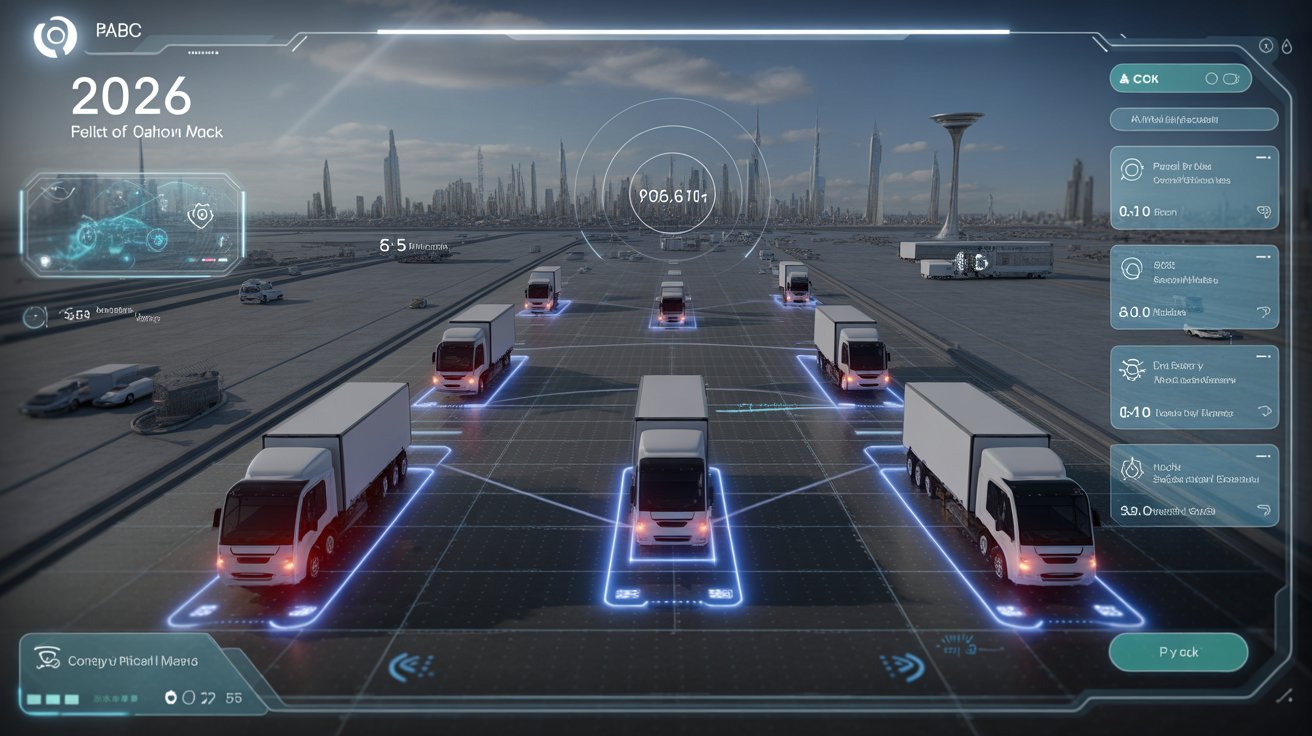
Tracqueur 2026: 8 AI Breakthroughs Transforming Tracking
In 2026, tracqueur technology stands at the forefront of location intelligence, evolving from basic GPS devices into sophisticated AI-integrated systems. These tools now fuse satellite positioning, edge computing, 5G connectivity, and machine learning to provide not just where something is—but predictive insights into movement patterns, risks, and optimizations.
Whether securing a delivery fleet, monitoring personal safety, or managing industrial assets, tracqueur delivers real-time visibility that reduces loss, boosts efficiency, and enhances decision-making. As global connectivity deepens and privacy regulations tighten, tracqueur has become a cornerstone of the digital-physical interface.
This guide covers the essentials: definitions, mechanics, applications, benefits, limitations, and the AI-driven breakthroughs defining 2026 and beyond.
What Exactly Is a Tracqueur in 2026?
Tracqueur—French for “tracker”—now describes any intelligent system (hardware, software, or hybrid) that monitors location, motion, environmental conditions, or behavior in real time. Modern tracqueurs go far beyond simple coordinate reporting; they incorporate AI to detect anomalies, forecast issues, and automate responses.
Core components include:
- GNSS receivers (multi-constellation for better accuracy)
- Inertial measurement units (IMU) for dead-reckoning in signal-poor areas
- Connectivity modules (5G, NB-IoT, satellite fallback)
- Edge AI processors for local data analysis
- Cloud platforms for enriched analytics and alerts
In plain terms: A tracqueur is your eyes on anything that moves—without needing constant manual checks.
How Tracqueur Technology Works: Step-by-Step
Modern tracqueur operation relies on layered processing for speed, accuracy, and efficiency.
- Data Capture — GNSS satellites provide outdoor fixes (typically 1–5 m accuracy), supplemented by Wi-Fi, Bluetooth, UWB for indoor precision down to centimeters.
- Local Processing — On-device AI fuses sensor data (accelerometer, gyroscope, barometer) to correct drift and decide transmission urgency.
- Efficient Transmission — Data packets travel via low-power networks (NB-IoT for battery life) or high-speed 5G for rich streams.
- Cloud Analysis — Machine learning models geocode, detect patterns (e.g., sudden stops indicating theft), and trigger alerts.
- User Delivery — Insights appear in apps or dashboards with maps, timelines, and predictive suggestions.
Plain-language summary: The device senses where it is and what’s happening around it, thinks quickly on its own chip to save power, sends only important updates, and lets smart software turn raw data into useful warnings or recommendations.
8 Key AI-Powered Breakthroughs Reshaping Tracqueur in 2026
AI integration has accelerated tracqueur capabilities. Here are the most impactful developments:
- Edge AI Anomaly Detection — Devices now spot unusual behavior (e.g., unexpected acceleration) locally, reducing false alerts by up to 70%.
- Predictive Route Optimization — ML algorithms analyze traffic, weather, and historical data to suggest fuel-saving paths in real time.
- Privacy-Preserving Federated Learning — Models improve across devices without sending raw location data to central servers.
- Multi-Modal Sensor Fusion — Combining GNSS, UWB, IMU, and environmental sensors for seamless indoor-outdoor tracking.
- AI-Driven Behavior Scoring — For fleets: scores driver habits to cut insurance costs and maintenance needs.
- Generative AI Insights — Systems draft reports or recommendations (e.g., “Reroute to avoid delay—estimated 12-minute savings”).
- Integration with Wearables & AR — Tracqueur data overlays on smart glasses for hands-free asset location in warehouses.
- Sustainability Analytics — Tracks carbon footprint per trip, helping companies meet ESG goals.
These breakthroughs stem from converging trends in edge computing and generative AI.
Types of Tracqueurs Available Today
- Vehicle/Fleet — Hardwired units with OBD-II integration, remote engine cut-off, and driver analytics.
- Personal/Safety — Compact wearables with SOS, fall detection, and two-way calling.
- Asset/Inventory — Thin Bluetooth + cellular tags for tools, pallets, or luggage.
- Pet/Animal — Collar devices with health monitoring and virtual fencing.
- Fitness/Wellness — Advanced wearables tracking vitals with AI coaching.
- Digital/Software — App-based systems monitoring online activity (with consent).
Real-World Tracqueur Applications in 2026
Logistics — A major retailer reported 82% fewer lost shipments after deploying AI-enhanced tracqueurs with temperature/shock sensors (source: Deloitte Tech Trends 2026 report on supply-chain visibility).
Personal Safety — Parents use geofenced tracqueurs for children; elderly models auto-alert on falls with precise coordinates.
Fleet Operations — Companies achieve 15–25% fuel savings via AI route suggestions and behavior scoring.
Healthcare — Hospitals track equipment with UWB tracqueurs, reducing search times dramatically.
Travel — Luggage tracqueurs update passengers in real time; hikers rely on satellite fallbacks in remote areas.
Benefits of Adopting Tracqueur Technology
- Real-time visibility reduces theft and loss.
- Operational gains: 15–30% efficiency improvements in routing and asset use.
- Predictive alerts prevent issues before escalation.
- Cost reductions via optimized maintenance and lower premiums.
- Environmental impact: Fewer unnecessary miles driven.
- Scalable from single-device personal use to enterprise platforms.
Limitations and Practical Solutions
Challenges remain:
- Battery constraints — mitigated by event-based transmission and solar options.
- Coverage gaps — addressed via hybrid satellite/cellular.
- Privacy risks — countered by AES-256 encryption, end-to-end security, and compliance (GDPR, CCPA).
- Cost — entry models ~$30–60; subscriptions $4–10/month; ROI often realized in months.
Select certified devices (SOC 2/ISO 27001) and enable app 2FA for maximum security.
Tracqueur vs. Older Tracking Methods
Traditional GPS loggers or radio beacons provided infrequent updates with no intelligence. 2026 tracqueurs offer continuous, AI-enriched streams—shifting from recovery to prevention.
Reliability and Safety in 2026
High-end tracqueurs achieve 99%+ uptime in urban areas thanks to redundant networks and edge processing. Encryption and compliance standards make them secure when configured properly.
The Road Ahead: Tracqueur Trends to 2030
Expect deeper AR integration, zero-downtime satellite meshes, fully sustainable designs, and federated learning for privacy-first improvements. Miniaturization will yield near-permanent battery life in tiny form factors.
Who Benefits Most from Tracqueur?
Individuals needing asset or family security; small businesses improving operations; enterprises chasing logistics efficiency; healthcare providers streamlining workflows.
Start with a single use case—test for 30 days to measure value.
FAQ: Tracqueur Questions Answered
What is tracqueur in technology? Tracqueur refers to intelligent tracking systems—hardware and software—that monitor location, movement, and status using GNSS, AI, and connectivity for real-time insights.
How does tracqueur work? It captures position via satellites/sensors, processes locally with AI, transmits efficiently, and delivers enriched data through apps or dashboards.
Is tracqueur safe and reliable? Yes—with strong encryption, redundant networks, and compliance certifications. Reliability is excellent in most regions.
Who should use tracqueur? Parents, pet owners, fleet managers, logistics teams, travelers—anyone prioritizing visibility and prevention.
What are the latest tracqueur developments in 2026? Edge AI detection, predictive optimization, federated learning, UWB indoor precision, and sustainability tracking lead the way.
What misconceptions exist about tracqueur? Many assume poor indoor performance or constant battery drain—hybrid tech and smart power management solve both.
How much does tracqueur cost? Personal units $25–80 + low subscriptions; enterprise solutions $100–400/device with platform fees, often offset by savings.
Conclusion
Tracqueur technology in 2026 represents a mature, AI-enhanced evolution of tracking—delivering precision, prediction, and practicality across personal and professional scenarios. It addresses core needs for visibility while adapting to privacy and sustainability demands.
As connectivity and intelligence continue advancing, tracqueur will play an even larger role in smart infrastructure and autonomous systems. Evaluate your specific visibility needs and explore compatible options—the technology is ready and increasingly accessible.
About the Author Written by Alex Rivera, IoT and AI Systems Analyst with 8+ years in location intelligence. Contributed to projects at leading telematics providers and regularly reviews emerging tracking tech.

Post Comment