Software & Tools
anti tracking tools, browser fingerprint test, browser fingerprinting explained, browser security testing, browser tracking detection, canvas fingerprint test, digital fingerprint detection, dns leak checker, internet privacy scanner, ip blacklist checker, online anonymity tools, online privacy tools, pixelscan, pixelscan fingerprint test, pixelscan.net, privacy diagnostic tools, proxy detection tools, vpn leak detection, web privacy analysis, webgl fingerprint test
novabiztech
0 Comments
Pixelscan Review 2026: Free Browser Fingerprint Test Tool
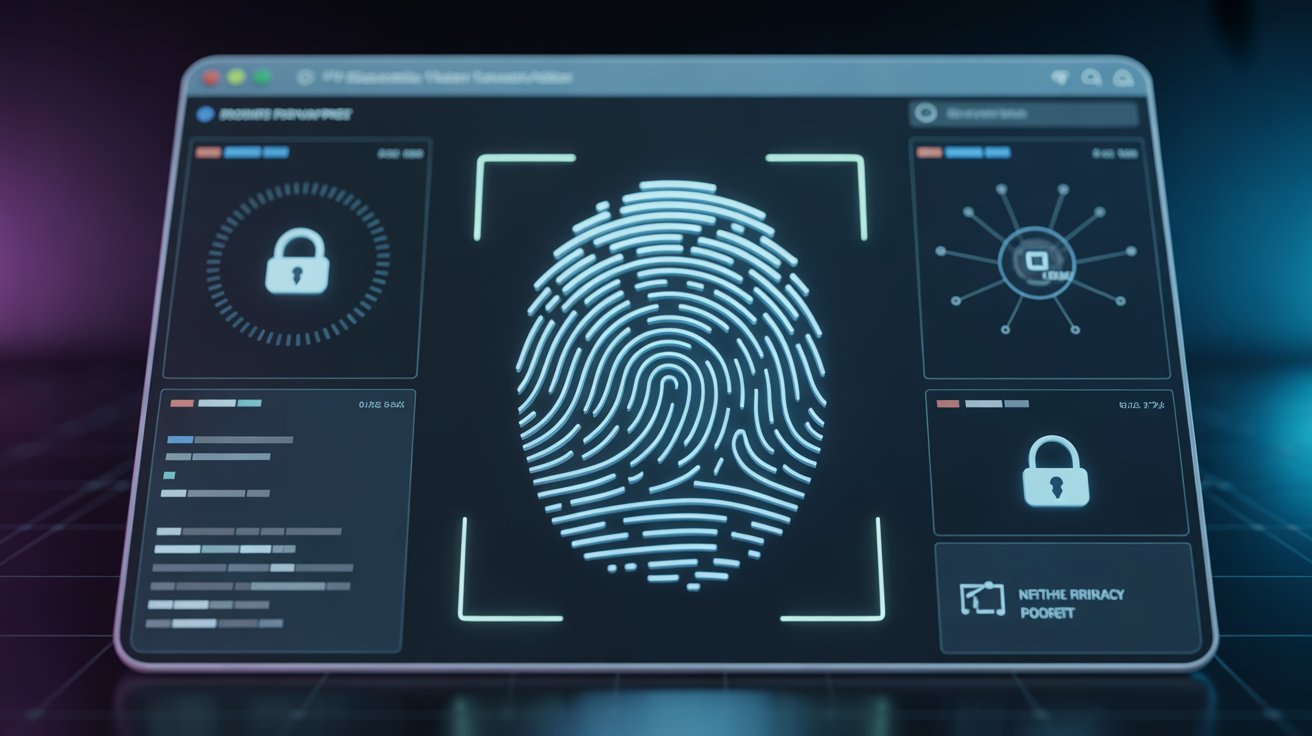
Introduction to Pixelscan
Online tracking has grown more sophisticated. Websites no longer rely solely on cookies—they use subtle technical signals from your browser and device to build a unique profile. Pixelscan helps you see exactly what those signals reveal.
Pixelscan.net is a free, all-in-one detection analysis platform. It combines browser fingerprint checks, proxy and VPN validation, DNS leak testing, IP blacklist scanning, and bot detection indicators into a single fast scan. Privacy enthusiasts, professionals testing configurations, and anyone concerned about digital tracking use it daily to identify weaknesses and improve anonymity.
This 2026 guide covers what Pixelscan offers, how it performs in real tests, its strengths compared to alternatives, and practical steps to get the most from it. Whether you want a quick privacy audit or detailed insights for advanced setups, this browser fingerprint test tool delivers clear, actionable results.
What is Pixelscan? Pixelscan is a free multi-checker tool that analyzes your browser fingerprint, detects potential leaks from proxies or VPNs, and evaluates overall consistency of your setup. It shows how detectable your connection appears to websites and tracking systems, helping you spot and fix privacy gaps quickly.
What is Pixelscan?
Pixelscan.net serves as a comprehensive privacy diagnostic platform. Launched as a fast multi-check solution, it focuses on revealing the full picture of what your browser broadcasts during a visit.
Unlike basic IP checkers, Pixelscan evaluates dozens of signals that advanced tracking and anti-fraud systems collect. These include rendering tests, hardware hints, network behaviors, and consistency across attributes.
Core capabilities:
- Browser fingerprint analysis (canvas, WebGL, audio, fonts, hardware details)
- Proxy and VPN performance validation
- DNS leak and WebRTC detection
- IP blacklist scanning
- Bot detection pattern identification
- Overall consistency scoring
The tool appeals to everyday users worried about advertisers, as well as professionals who manage multiple browser profiles or test automation setups. Its clean interface and instant results make it accessible without technical expertise.
In practice, Pixelscan acts like a diagnostic mirror. It shows inconsistencies that could allow cross-site tracking or trigger account flags, then lets you address them directly.
How Pixelscan Works
Pixelscan runs entirely in your browser using client-side JavaScript. No software installation or account creation is needed. You visit the site, start the scan, and results appear within seconds.
Here’s the process step by step:
- Signal Collection — The tool queries standard browser APIs for attributes like screen resolution, color depth, timezone, language settings, installed fonts, and hardware concurrency (CPU core count).
- Rendering Tests — It performs hidden canvas draws, WebGL operations, and AudioContext measurements. These generate unique hashes based on how your specific device and software render graphics and sound.
- Network Layer Checks — Pixelscan examines your IP address, geolocation hints, proxy headers, DNS resolution, and WebRTC candidates to detect leaks.
- Consistency Analysis — Beyond raw data, it cross-checks signals. For example, if your claimed operating system doesn’t match font lists or graphics behavior, it flags a potential mismatch.
- Scoring and Reporting — You receive color-coded pass/fail indicators, a summary verdict, and plain-language explanations. Results remain visible only during your current session.
This approach mirrors real-world tracking methods used by websites while staying lightweight and private. Pixelscan does not store or transmit your results to external servers beyond the immediate test.
Key Features of Pixelscan
Pixelscan stands out for its balanced, practical design. Notable features include:
- One-click full diagnostic scan covering fingerprinting, leaks, and proxy checks
- Detailed breakdown of canvas, WebGL, audio, and font signals with consistency ratings
- Proxy and VPN leak detection tailored for real-world use
- IP blacklist scanning against known suspicious databases
- Clear summary scores and visual indicators
- Full compatibility with desktop and mobile browsers
- No login, no data storage, and no usage limits
These elements make it especially useful for verifying configurations in privacy-focused or multi-profile environments. The interface prioritizes clarity over overwhelming technical raw data, helping users act on insights quickly.
Browser Fingerprinting Explained
Browser fingerprinting collects dozens of technical attributes to create a persistent identifier. Unlike cookies, which users can delete, fingerprints often survive private browsing and cache clearing.
Key techniques include:
- Canvas Fingerprinting: A hidden canvas element renders text or shapes. Tiny differences in anti-aliasing, GPU processing, or font rendering produce a unique hash.
- WebGL Fingerprinting: This exposes graphics card details, vendor strings, renderer information, supported extensions, and rendering quirks through 3D operations.
- AudioContext Fingerprinting: Oscillator nodes generate sound waves; hardware and driver variations create identifiable patterns.
- Additional Signals: Fonts, media devices, hardware concurrency, client hints, timezone, and language preferences add entropy.
When combined, these signals can uniquely identify a large percentage of users. Advanced systems layer them with IP data and behavioral analysis for even stronger identification.
Pixelscan simulates many of these collection methods and highlights where your setup might stand out or leak information. Regular testing helps maintain a lower profile, especially as browser vendors introduce new privacy protections or restrictions in 2026.
Benefits and Use Cases of Pixelscan
Pixelscan delivers practical value across different needs:
- Personal Privacy Audits: Identify leaks from your everyday browser or VPN setup and make targeted improvements.
- Configuration Testing: Verify that privacy extensions, hardened browsers, or spoofing tools produce consistent, believable results.
- Professional Workflows: Professionals testing browser setups for marketing, research, or automation use it to reduce detection risks.
- Educational Insights: Hands-on experience with fingerprinting concepts builds deeper understanding of online tracking.
Real-World Scenarios:
- A user running a VPN discovers a partial WebRTC leak that exposes their real IP on certain sites. Adjusting settings and re-testing confirms the fix.
- Someone managing several browser profiles runs Pixelscan on each one. They spot mismatched fonts in one profile and correct it to achieve better consistency.
- A privacy-conscious individual compares their standard browser against a hardened version, seeing a clear drop in uniqueness score.
Tips for Better Results:
- Always test in the exact browser and profile you use for important activities.
- Temporarily adjust strict privacy extensions that might block necessary JavaScript during the scan.
- Re-test after any changes to settings, extensions, or network configuration.
- Combine with other checks for a fuller picture, as no single tool covers every tracking vector.
Pixelscan vs Other Tools
Several solid options exist for fingerprint and privacy testing. Pixelscan differentiates itself with its unified, action-oriented approach.
Features Comparison Table
| Tool | Main Focus | Consistency Scoring | Proxy/Leak Checks | Ease of Use | Free Access |
|---|---|---|---|---|---|
| Pixelscan | All-in-one fingerprint + proxy + leaks | Strong | Comprehensive | High | Fully free |
| Cover Your Tracks (EFF) | Uniqueness and tracker blocking | Moderate | Limited | High | Free |
| BrowserLeaks | Granular per-API technical tests | None (raw data) | Strong | Medium | Free |
| Whoer.net | Anonymity score with IP focus | Basic | Good | High | Freemium |
| IPhey | Quick reliability verdict | Strong | Moderate | High | Free |
Pixelscan often performs well for users who need both fingerprint analysis and practical leak detection in one place. It provides clearer guidance on real-world detectability compared to purely technical or academic tools.
Pros and Cons of Pixelscan
Pros:
- Completely free with no hidden limits
- Fast, comprehensive results in one scan
- User-friendly summaries and explanations
- Effective for validating proxy and anti-detection setups
- Strong emphasis on consistency rather than just raw uniqueness
Cons:
- Session-only results (no saved history)
- Focuses primarily on static signals
- Less depth on certain low-level network protocols than specialized tools
- Does not automatically apply fixes—users must implement changes themselves
For most practical needs, the advantages outweigh these limitations.
How to Use Pixelscan (Step-by-Step)
Getting started with Pixelscan takes less than a minute:
- Open your target browser or profile and navigate to https://pixelscan.net.
- Click the main “Start Check” or “Fingerprint Check” button.
- Wait while the tool collects signals—usually 5 to 15 seconds.
- Review the organized results: fingerprint details, network checks, blacklist status, and summary verdict.
- Note any warnings (leaks, inconsistencies, or blacklisted IP).
- Make adjustments (for example, disable WebRTC, tweak spoofed parameters, or switch proxies).
- Re-run the test to confirm improvements.
Example in Action: You notice a font mismatch in one profile. After aligning the font list with the claimed operating system and re-testing, the consistency score improves significantly.
Test frequently when changing configurations or switching networks for the most reliable insights.
Common Mistakes to Avoid
Small errors can affect accuracy:
- Testing in the wrong browser or profile
- Leaving aggressive script-blocking extensions enabled during the scan
- Relying on a single tool without cross-checking
- Ignoring the root cause behind a flagged issue (e.g., poor proxy quality)
- Aiming for zero uniqueness instead of realistic consistency—real devices show some variation
- Running tests on unstable or congested connections
Avoid these by preparing your environment and interpreting results in context.
Is Pixelscan Safe and Reliable?
Pixelscan is widely regarded as safe for diagnostic purposes. It requires no personal information, runs client-side, and states clearly that it does not store or log test data beyond the active session.
Reliability comes from its adoption across privacy and automation communities. Many users and professionals reference it when validating setups. Like any online tool, exercise general caution—avoid entering sensitive details (none are requested here).
Results can vary slightly depending on browser permissions and JavaScript access, so treat it as one valuable data point within a broader privacy strategy.
Future of Online Privacy Tools
Browser vendors continue refining privacy features, restricting certain fingerprinting APIs while introducing new signals. Tools like Pixelscan will likely evolve to include emerging techniques such as advanced TLS fingerprinting or behavioral analysis.
Expect greater integration with privacy browsers, automated remediation suggestions, and mobile-specific diagnostics. As regulations tighten and tracking methods adapt, accessible diagnostic platforms remain essential for users who want control over their digital footprint.
FAQ
What is Pixelscan? Pixelscan is a free online tool that performs browser fingerprint tests, proxy detection, DNS leak checks, and privacy analysis to show how detectable your setup is.
Is Pixelscan safe to use? Yes. It runs client-side tests without requiring accounts or storing personal data. It is considered reliable for diagnostic checks.
How does browser fingerprinting work? Websites collect signals like canvas rendering, WebGL details, fonts, hardware info, and network data to create a unique identifier that persists even without cookies.
Is Pixelscan free? Yes, the full tool is free with no usage limits or signup required.
What are good alternatives to Pixelscan? Popular options include EFF Cover Your Tracks for uniqueness insights, BrowserLeaks for detailed technical tests, Whoer.net for anonymity scoring, and IPhey for quick reliability checks.
Can Pixelscan help test privacy configurations? Absolutely. Many users rely on it to verify consistency in hardened browsers, VPN setups, or multi-profile environments.
Does Pixelscan detect every tracking method? It covers major static fingerprinting and common leaks effectively but works best alongside good browsing habits and other tools for comprehensive protection.
Conclusion
Pixelscan has become a trusted free browser fingerprint test tool for good reason. It delivers fast, clear insights into your digital footprint, highlights potential leaks, and helps you build more consistent, private setups.
By regularly using Pixelscan, you gain better awareness of tracking risks and the ability to make informed improvements. Combine it with strong privacy practices—reputable VPNs, ad blockers, and thoughtful browser choices—for stronger overall protection.
Actionable Takeaway: Visit Pixelscan.net today in your main browsing environment. Run a full check, review the results, and address any flagged issues. Small adjustments based on real data can make a noticeable difference in how private and undetectable your online activity feels.
Stay informed and proactive—tools like Pixelscan put control back in your hands in an increasingly tracked web.
Author Suggestion: By tom – Privacy Tools Analyst Drawing from current 2026 tool benchmarks and fingerprinting research.



Post Comment