Keibann Vans: Compact Kei Tech Transforming Urban Delivery in 2026
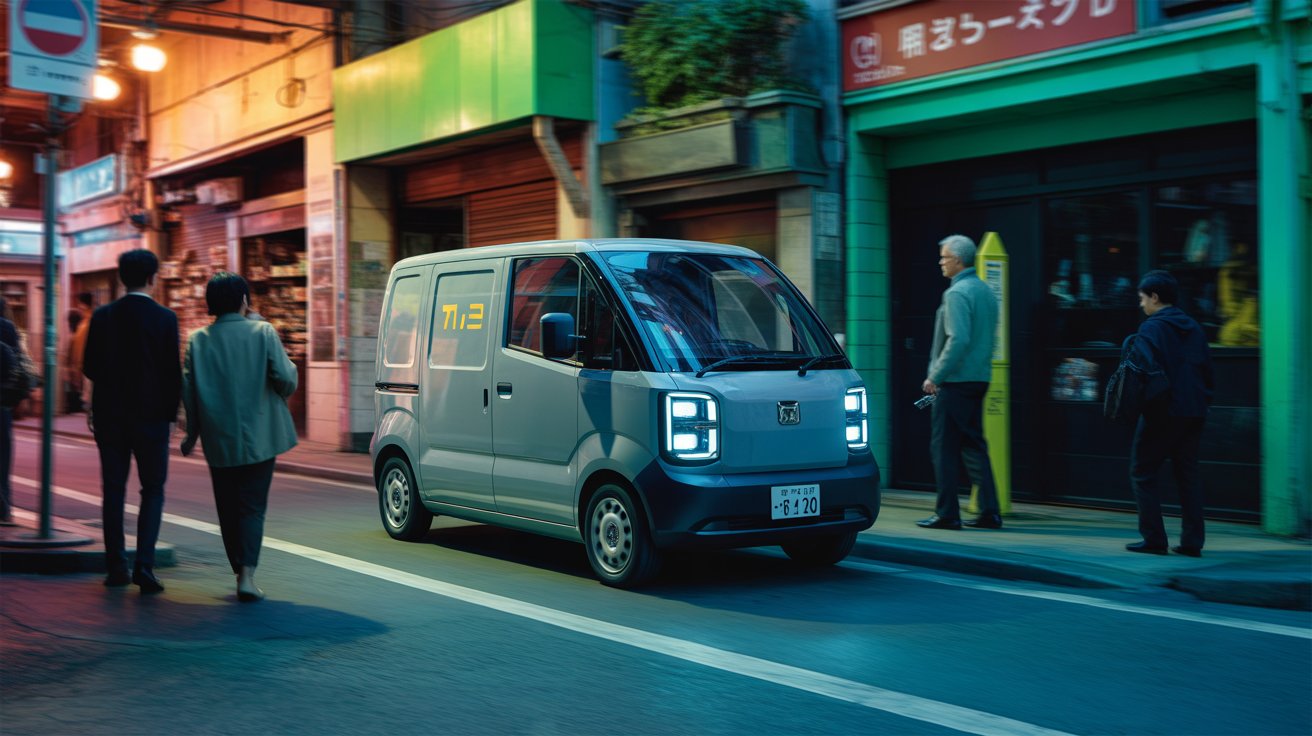
Compact Japanese keibann vans, part of the kei commercial vehicle class, remain one of the most practical solutions for urban mobility and small-scale logistics. These vehicles, shaped by strict Japanese regulations, deliver high efficiency in tight spaces while keeping costs low. In early 2026, the segment advanced significantly with electric models from Toyota, Daihatsu, and Suzuki, aligning perfectly with demands for sustainable last-mile delivery.
Having tracked these developments through manufacturer announcements and industry reports, it’s clear these vans address real urban challenges—congestion, emissions, and operating expenses—more effectively than many larger vehicles.
What Is Keibann? Overview of Kei Commercial Vehicle Technology
Keibann (often called kei van) refers to light commercial vehicles built under Japan’s kei-jidosha regulations, established in 1949 to support affordable transport amid resource shortages. Key limits include:
- Length ≤ 3.4 m
- Width ≤ 1.48 m
- Height ≤ 2.0 m
- Engine ≤ 660 cc (for gasoline models)
These rules drive innovative design: cab-over layout, boxy body for maximum cargo, sliding doors, and low loading floors. Typical specs include ~1.5–2 m³ cargo volume and 350 kg payload—ideal for city deliveries.
In Japan, mini commercial vehicles hold substantial market presence, with kei models comprising a large portion of commercial registrations (mini vehicles overall reached ~1.67 million units in 2025, per sales data from sources like best-selling-cars.com).
The 2026 electric shift preserves the compact footprint while adding zero-emission capability. Toyota’s Pixis Van BEV, Daihatsu’s e-Hijet Cargo, and Suzuki’s e-Every share a collaborative platform with identical core specs.
How Keibann Vans Work: Engineering from Gasoline to 2026 Electric Models
Gasoline keibann vans feature small turbo 660 cc engines and CVTs, delivering strong city efficiency (often 40+ MPG).
The new electric lineup uses the shared e-SMART ELECTRIC system:
- 36.6 kWh lithium-ion battery (thin, floor-mounted for low center of gravity)
- Rear-wheel-drive e-axle motor: 47 kW (~63 hp), 126 Nm torque
- WLTC range: 257 km (longest in kei commercial BEV class, per Toyota and Daihatsu February 2026 releases)
Charging details:
- ~6 hours at 6 kW AC (home/overnight)
- ~50 minutes to 80% on 50 kW+ DC fast charger
Additional features include regenerative braking, efficient cabin heating, and a 1,500W external AC outlet (V2L/V2H capable) for powering tools or home backup.
Cargo dimensions stay identical to gasoline versions: ~1.92 m length, 1.27 m width, 1.25 m height. Enhanced body rigidity and rear suspension improve handling under load.
Drivers note the quiet cabin and instant torque reduce fatigue on repetitive urban routes.
Real-World Applications of Keibann Vans in 2026
In Japan, these vans dominate small-business fleets. Couriers handle dozens of stops daily in narrow streets where standard vans struggle. Electric versions enable quiet, emission-free nighttime or residential deliveries.
Tradespeople (electricians, plumbers) fit custom shelving and enjoy easy access via low floors and wide doors. Rural users prefer 4WD gasoline variants, while urban operators favor the new EVs for cost predictability.
Production remains modest—Daihatsu targets ~300 units/month for e-Hijet Cargo, with Toyota and Suzuki variants adding smaller volumes—but adoption grows among logistics firms seeking lower running costs.
Fleet reports indicate 60–70% energy cost reductions versus gasoline equivalents, plus near-zero maintenance on electric drivetrains.
Benefits of Keibann Vans: Why They Excel in Modern Urban Use
- High efficiency: 257 km range covers full workdays; electricity costs far below fuel.
- Superior maneuverability: Navigates alleys and parks in tiny spots.
- Low total costs: Reduced energy, maintenance, and (in Japan) taxes/insurance.
- Practical power: 1,500W outlet supports on-site tools.
- Environmental fit: Zero tailpipe emissions meet tightening city rules.
Many operators achieve 30–50% lower daily expenses compared to mid-size vans.
Limitations and Reliability of Keibann Vans
Drawbacks include limited highway speed, range reduction under heavy load/AC use, and rear-wheel-drive only (no 4WD in current EVs). Safety assists (collision warning, auto braking) appear in new models, but older imports lack advanced features.
Reliability remains a strength—Japanese engineering often exceeds 200,000 km with basic care. Electric versions simplify further with fewer parts.
Best suited for city/light-duty work; not ideal for long hauls.
Keibann Vans vs Traditional Vans: 2026 Comparison Table
2026 Updates and Future Outlook for Keibann Technology
Key launches:
- February 2, 2026: Toyota Pixis Van BEV and Daihatsu e-Hijet Cargo/e-Atrai
- March 9, 2026: Suzuki e-Every
Pricing starts ~¥3.146 million (~$20,300 USD), reflecting battery costs but offset by incentives and savings.
Looking ahead: potential longer-range batteries, 4WD electric options, and fleet telematics integration for optimized routing.
FAQ: Key Questions About Keibann Vans Answered
What is keibann technology? Keibann describes compact Japanese kei commercial vans—regulated for size/efficiency and now electrified for modern urban work.
How do 2026 keibann electric vans work? They use a 36.6 kWh floor battery, rear motor (47 kW/126 Nm), and deliver 257 km range with fast/home charging options.
Are keibann vans reliable and safe? Highly reliable with strong Japanese build quality. New models include basic safety assists; suited best for intended urban use.
Who benefits most from keibann vans? Small delivery operators, tradespeople, and city fleets prioritizing agility, low costs, and sustainability.
What changed in 2026 for keibann vans? Electric models launched (Toyota, Daihatsu, Suzuki) with class-leading 257 km range and practical features like V2L power.
Common misconceptions about keibann? They’re not “too small”—they handle most light commercial needs efficiently. Highway use is limited by design.
Availability outside Japan? Older gasoline models importable in places like the US (25-year rule); new EVs currently Japan-focused.
Final Thoughts on Keibann Vans in 2026
Keibann vans demonstrate how focused engineering creates effective, adaptable solutions. From historical efficiency roots to today’s electric reality, they offer practical advantages for urban businesses facing cost and environmental pressures.
For fleet managers or individuals exploring compact, low-impact transport, these vehicles merit serious consideration—especially as cities push greener logistics.
Check manufacturer sites or local importers for the latest availability and incentives. Compact doesn’t mean limited; in many cases, it means smarter.
About the Author
Alex Tanaka – Automotive & EV Expert
Specializes in compact urban vehicles, electric commercial vans, and sustainable logistics. Insights based on official manufacturer releases and verified industry reports.




Post Comment