Business Technology
AI industrial automation, Bodenxt, Bodenxt Sweden, decarbonized steel, EU Green Deal steel, green hydrogen project, H2 Green Steel, hydrogen steel production, Industry 4.0 steel plant, low carbon manufacturing, Nordic green industry, renewable energy infrastructure, smart industrial ecosystem, Stegra green steel, sustainable steel Sweden
novabiztech
0 Comments
Bodenxt: Leading Revolutionary Green Tech Innovation in Northern Sweden 2026
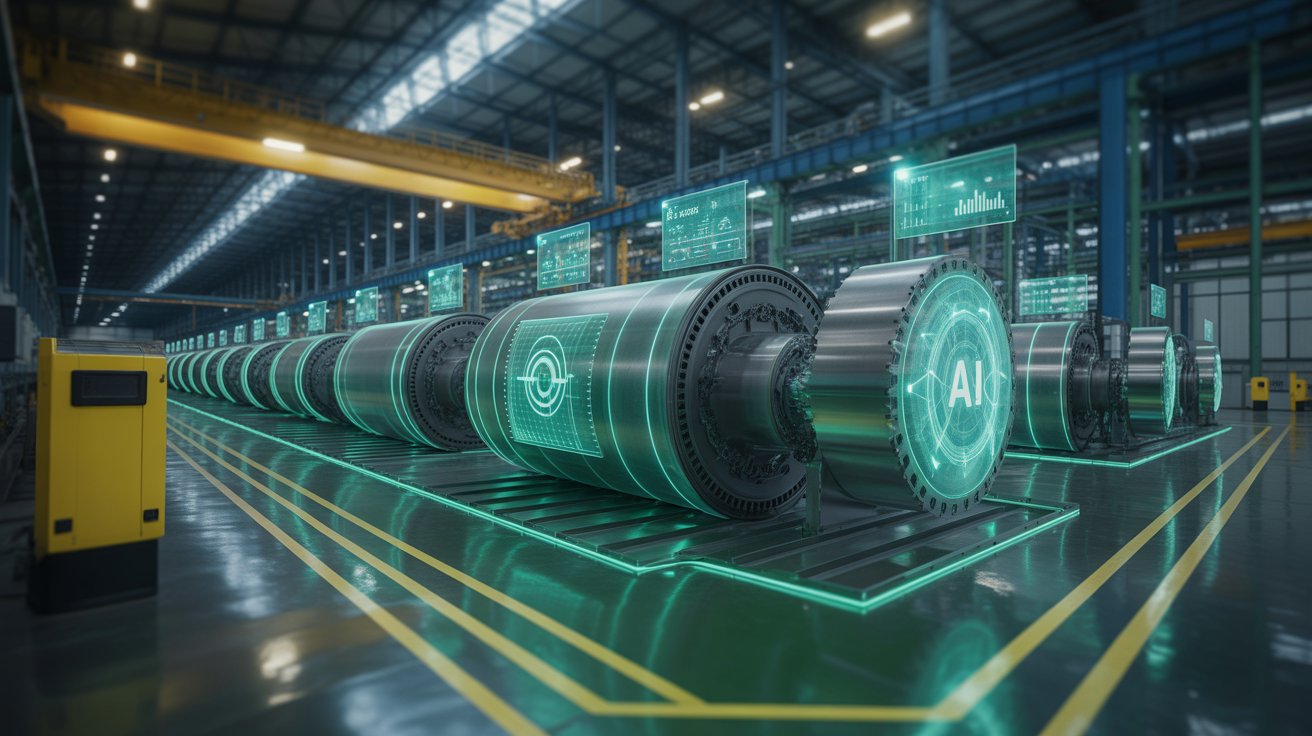
In northern Sweden’s Boden region, the Bodenxt platform is pioneering a comprehensive model for sustainable industrial and societal transformation. Initiated by Boden Municipality, Bodenxt integrates large-scale green hydrogen production, AI-enhanced digital systems, renewable-powered infrastructure, and holistic community development to accelerate the shift to a low-carbon economy.
Anchored by Stegra’s (formerly H2 Green Steel) flagship facility in the 550-hectare Boden Industrial Park, Bodenxt addresses decarbonization in hard-to-abate sectors while fostering economic vitality and talent attraction. This ecosystem blends advanced hardware—like massive electrolyzers—with software automation, IoT, and predictive analytics, making it a forward-looking blueprint for modern green innovation.
As of February 2026, Bodenxt continues to evolve amid key milestones in construction and partnerships.
Technology Overview of Bodenxt
The Bodenxt platform serves as a strategic, long-range initiative by Boden Municipality to orchestrate a “smart green” transition. It coordinates projects across industry, housing, skills, infrastructure, and sustainability, with Stegra’s green steel plant as the primary accelerator.
Core technologies include:
- Green hydrogen electrolysis (up to 700 MW capacity) powered by abundant Nordic renewables
- Direct reduction iron (DRI) and electric arc furnace processes for low-emission steel
- Digital integration via IoT sensors, 5G networks, edge computing, and AI for optimization and predictive maintenance
This fusion positions Bodenxt as a leader in Industry 4.0 for heavy industry, emphasizing efficiency, circularity, and scalability.
The Origins and Vision Behind Bodenxt
Bodenxt emerged from Boden’s proactive response to economic and demographic needs, amplified by global sustainability demands. The municipality launched the platform to build an enduring ecosystem around Stegra’s establishment, aiming to create resilient, future-proof communities.
The vision centers on synergy: industrial innovation supports local growth, while digital tools ensure long-term viability. By focusing on green steel and hydrogen, Bodenxt targets up to 95% CO₂ reduction compared to traditional methods, setting a replicable standard for remote regions embracing the digital green transition.
Key Features of Bodenxt
Bodenxt organizes its efforts into interconnected pillars, each leveraging modern tech:
- Skills Supply & Workforce Development — AI-driven training, VR simulations, and partnerships for hydrogen, automation, and green engineering roles.
- Living & Housing Growth — IoT-smart homes and AI-optimized planning for energy-efficient, attractive communities.
- Business & Economic Development — Cleantech startup support, blockchain traceability, and automation incentives.
- Infrastructure Innovation — Sensor-equipped rail, 5G-enabled logistics, and edge computing for real-time industrial IoT.
- Social & Environmental Sustainability — AI-optimized circular models, waste-to-energy, and biodiversity considerations.
These elements create a practical, integrated hub for green tech advancement.
How Bodenxt Works: Bodenxt Green Steel Production and Digital Systems
Bodenxt functions through coordinated, technology-driven processes, with Stegra’s integrated plant as the centerpiece.
Bodenxt Green Steel Production Process
Stegra’s facility demonstrates the core mechanism:
- Renewable Energy Sourcing — Hydro and wind electricity powers on-site electrolysis.
- Green Hydrogen Production — Water is split in electrolyzers; AI optimizes timing and load for grid efficiency.
- Direct Reduction — Hydrogen reduces iron ore pellets into sponge iron in a shaft furnace, slashing emissions.
- Steel Making & Finishing — Renewable-powered electric arc furnaces melt DRI with scrap; continuous casting and rolling produce high-quality flat steel.
- Digital & Circular Oversight — Full plant digitalization with sensors, AI predictive tools, and heat recovery for district heating.
This end-to-end approach minimizes waste and maximizes reliability.
Bodenxt Infrastructure and Digital Integration
The industrial park features planned subsurface utilities, advanced rail with real-time monitoring, and fiber/5G networks. AI logistics reduce emissions and downtime, embodying a fully digitized, automated ecosystem.
Benefits of Bodenxt
- Environmental Impact — Avoids millions of tonnes of CO₂ yearly through hydrogen-based production.
- Economic Advantages — Generates thousands of skilled jobs; attracts global investment and population growth (over 600 new residents linked to Stegra).
- Innovation Leadership — Advances R&D in AI, hydrogen, and renewables, strengthening Sweden’s position.
- Community Enhancement — Sustainable housing, education, and networks improve livability and talent inflow.
- Market Scalability — Supplies premium green steel to automotive, construction, and energy sectors.
These advantages provide businesses with reliable, future-proof materials.
Limitations and Challenges of Bodenxt
- High Capital Requirements — Ongoing financing needs (e.g., recent $1B+ rounds) amid cost pressures.
- Project Timelines — Construction delays shift full operations into 2026–2027 phases.
- Location Factors — Remote setting challenges workforce relocation, offset by targeted programs.
- Resource Demands — Electrolysis water use and energy scaling require careful management.
Partnerships and milestones continue to build reliability.
Comparisons with Traditional Solutions
| Aspect | Traditional Steel Production | Bodenxt/Stegra Green Steel |
|---|---|---|
| Reductant | Coal/coke | Green hydrogen |
| CO₂ Emissions | ~2 tonnes per tonne | <0.2 tonnes per tonne |
| Energy Source | Fossil fuels | 100% renewables |
| Digital Features | Limited | AI, IoT, full automation |
| Regulatory Alignment | High risk under net-zero | Supports EU Green Deal |
Bodenxt delivers superior sustainability and tech-forward performance.
Real-World Applications and Modern Use Cases
- Automotive Sector — Supply agreements (e.g., Thyssenkrupp Materials for non-prime steel from 2027).
- Construction & Manufacturing — Low-emission materials for eco-projects.
- Energy & Logistics — Byproduct hydrogen and AI-optimized transport.
Stegra’s customer deals highlight Bodenxt’s growing role in decarbonized supply chains.
Future Potential of Bodenxt
2026 marks a pivotal year, with Stegra’s commissioning as a global green steel milestone. By 2030, 5 million tonnes annual production is targeted, alongside expansions in hydrogen applications and AI integration. As regulations evolve, Bodenxt’s model offers scalable solutions for worldwide decarbonization.
FAQ Section
What is Bodenxt in technology?
Bodenxt is Boden Municipality’s platform for green societal transition, integrating hydrogen tech, AI automation, smart infrastructure, and community initiatives around Stegra’s green steel project.
How does Bodenxt work?
It coordinates renewable-powered hydrogen production for emission-reduced steel, supported by digital systems, circular processes, and multi-pillar development for efficiency and synergy.
Is Bodenxt safe or reliable?
Yes—backed by strict permits, AI monitoring, renewable sourcing, and redundancies. Scaling challenges are managed through ongoing funding and expertise.
Who should use Bodenxt?
Steel buyers in automotive/construction, cleantech innovators, investors in sustainable infrastructure, and regions modeling green transitions.
What are the latest updates or future developments in Bodenxt?
As of February 2026, Stegra advances construction with key customer deals (e.g., Thyssenkrupp); 2026 commissioning is critical, targeting phased production ramp-up to 5M tonnes by 2030.
Common problems or misconceptions about Bodenxt?
Misconception: It’s solely a steel mill—it’s a full municipal ecosystem. Challenges like financing are addressed via investments and partnerships.
How is Bodenxt different from traditional industrial models?
It replaces coal with green hydrogen and renewables, incorporates digital optimization for 95% emission cuts, and embeds community benefits unlike isolated, fossil-dependent approaches.
Conclusion
Bodenxt demonstrates how integrated technology, innovation, and community focus can redefine sustainable development. Through green steel leadership, hydrogen systems, and smart digital infrastructure, it tackles climate imperatives while generating lasting economic and social value. With 2026 milestones on the horizon, Bodenxt solidifies northern Sweden’s role in the global green transition.
Author Bio: Jordan Blake is a sustainability and tech strategist focusing on green innovation, renewable energy, and industrial digitalization.



Post Comment