Business Technology
ABS diagnostic activation, ABS self test system, ABS Testauslösung, ABS warning light, ADAS braking system, Anti-lock braking system, Automotive safety technology, Automotive troubleshooting, Bosch ABS system, Car brake safety, ESC integration, OBD-II scanner, Smart braking technology, Vehicle diagnostics, Wheel speed sensor problem
novabiztech
0 Comments
ABS Testauslösung Explained: Powerful Insights into Modern ABS Diagnostics and Testing 2026
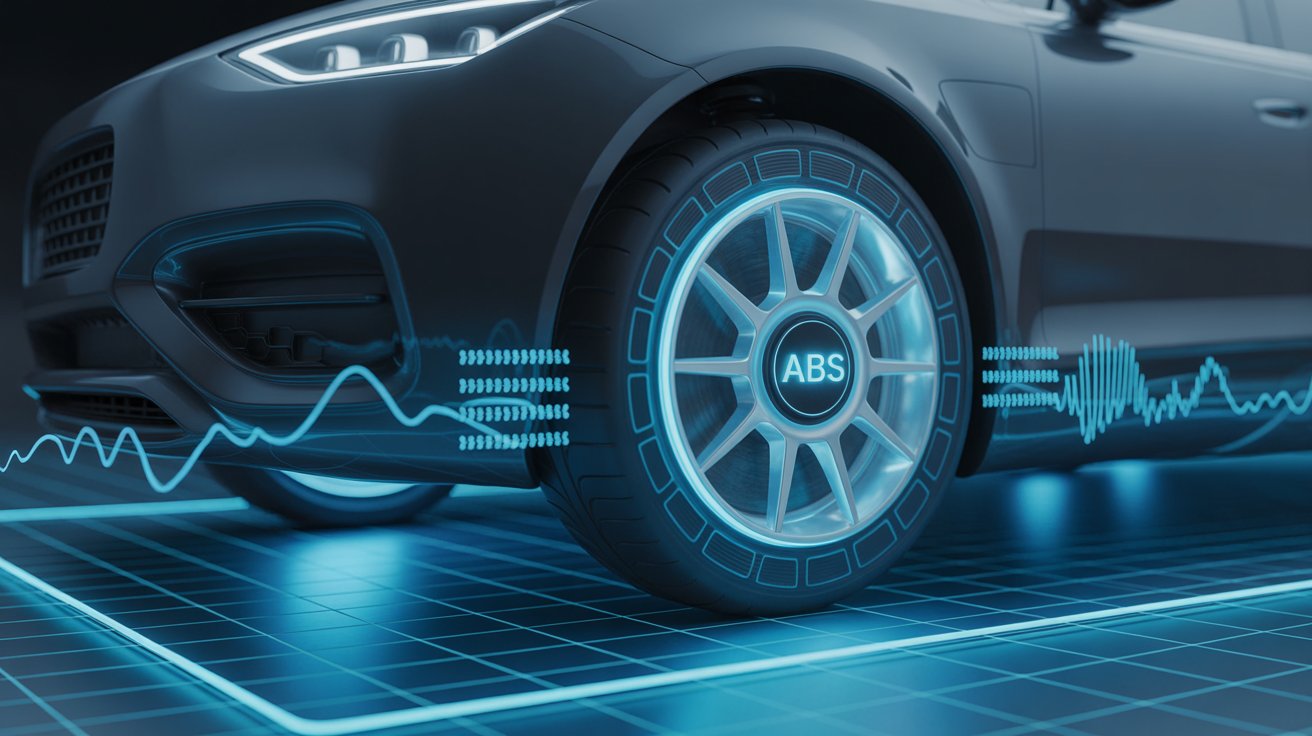
If you’ve ever started your car and noticed the ABS light flash briefly before turning off—or worse, stay illuminated—you’ve witnessed ABS Testauslösung in action. This German term, roughly translating to “ABS test triggering” or ABS diagnostic activation, refers to the built-in self-test and fault-detection process that modern anti-lock braking systems perform to verify everything is working correctly.
For everyday drivers in busy urban environments (including cities like Faisalabad) dealing with monsoon rains or heavy traffic, understanding this can prevent unexpected brake issues and keep you safer on the road.
This guide is aimed at vehicle owners, DIY enthusiasts, and automotive technicians who want practical insights into ABS diagnostics, why the warning appears, and how to address it without unnecessary worry. We’ll cover the tech behind it, real fixes, and how it’s evolving with smarter vehicles.
What Exactly Does ABS Testauslösung Mean?
ABS Testauslösung is the automatic or manual activation of the anti-lock braking system’s self-test function. In most cars, when you turn the ignition on, the ABS control module runs a quick check of sensors, valves, pumps, and wiring. If all is good, the dashboard ABS light illuminates briefly (usually 2–5 seconds) and then goes out—that’s the successful test completion. If a problem is detected, the light stays on, signaling that the ABS might not function during hard braking.
This isn’t just a random warning; it’s a deliberate safety feature. Without it, you could drive unaware that your anti-lock protection is disabled, increasing skid risk on slippery surfaces.
The term comes from German automotive engineering (think Bosch, a leader in ABS since the 1970s), where “Testauslösung” means “test release” or “triggering the test.” In English contexts, people often call it the ABS self-test system, ABS diagnostic activation, or simply the ABS warning light check.
How the ABS Self-Test System Works Step by Step
Modern ABS relies on electronics to prevent wheel lockup, and the test ensures reliability.
- Ignition On – Initialization The ABS ECU (electronic control unit) powers up and scans connected components via the vehicle’s CAN bus network.
- Sensor and Component Check It verifies wheel speed sensors (which monitor rotation rates), hydraulic valves, the return pump, and brake fluid pressure. This happens in milliseconds.
- Simulated Activation The system may briefly pulse the ABS pump or valves to confirm they respond—no actual braking occurs, but you might hear a faint hum or feel a slight pedal vibration in some models.
- Fault Detection If anything fails—like a dirty or broken wheel speed sensor—the ECU stores a diagnostic trouble code (DTC) and keeps the light on. Common codes include C0035 (wheel speed sensor circuit) or C0020 (pump motor issues).
- Ongoing Monitoring While driving, the system passively watches for inconsistencies. Sudden wheel speed drops trigger actual ABS intervention, pulsing brakes up to 15 times per second (or more in advanced Bosch Gen 9 systems).
This digital process integrates with other systems like electronic stability control (ESC) and traction control, making the vehicle smarter and safer.
Key Features in Today’s ABS Diagnostic Activation
- Multi-Channel Monitoring – Independent control of each wheel for precise response.
- OBD-II Integration – Read codes with basic scanners; advanced tools allow active tests like solenoid cycling.
- Predictive Diagnostics – Newer systems (e.g., Bosch Generation 9) use data patterns to flag potential failures early, with modular software architecture for scalability across vehicle types.
- Integration with ADAS – Feeds into autonomous emergency braking in connected cars.
These make ABS far more reliable than early mechanical versions.
Real-World Use Cases and Practical Examples
For a regular driver, the ABS self-test system means peace of mind during panic stops. In heavy rain, it helps maintain steering control instead of skidding.
Mechanic Perspective – During service, technicians use VCDS (for VW/Audi) or Bosch diagnostic tools to trigger manual ABS tests. This cycles the pump and valves, confirming operation. For instance, on a 2017 VW Passat, a persistent ABS light often traces to a rear wheel speed sensor damaged by road debris. Replacing it (around PKR 5,000–10,000) clears the code after a test cycle.
Fleet Operators – Delivery vans in busy cities rely on this for uptime. Ignoring the light risks accidents and costly downtime.
Expert Insight – Having worked on various vehicles, I’ve seen how a simple sensor clean often resolves false triggers. In one case with a Mercedes Sprinter, low voltage from a weak battery caused intermittent activation—fixed with a charge and reset.
Benefits of a Healthy ABS Self-Test System
- Improved Safety – Reduces stopping distances on wet roads significantly and maintains control, with studies showing benefits in multi-vehicle crashes on unfavorable surfaces.
- Early Warning – Catches issues before total failure.
- Cost Efficiency – Fixing a sensor early beats replacing the entire ABS module (which can exceed PKR 100,000).
- Compatibility with Modern Tech – Works seamlessly with regenerative braking in hybrids/EVs.
Common Limitations and Issues to Watch For
No system is flawless:
- False Triggers – Dirt on sensors or corroded wiring can cause lights without real danger.
- Reduced Effectiveness – On loose gravel or deep sand, locked wheels sometimes stop shorter.
- Battery/Voltage Problems – Low power disrupts tests.
- No Substitute for Maintenance – Ignoring the light means driving without ABS—still functional regular brakes, but riskier.
Always drive cautiously if the light stays on.
ABS vs Traditional Braking Systems: Technical Comparison
| Aspect | Traditional Brakes | Modern ABS with Self-Test Activation |
|---|---|---|
| Wheel Lock Prevention | None – prone to skids | Automatic pulsing prevents lockup |
| Self-Diagnostics | Manual inspection only | Automatic on startup + real-time |
| Stopping Distance (Wet) | Longer due to skidding | Significantly shorter with control |
| Integration with ESC | Not present | Full stability support |
| Fault Detection | Driver feels issues | Warning light + stored DTCs |
| Maintenance Cost Impact | Lower upfront, higher risk | Higher upfront, preventive savings |
This comparison highlights why ABS became standard worldwide—it’s about controlled, intelligent stopping rather than just mechanical force.
The Future of ABS Diagnostics and Testing
As vehicles go electric and autonomous, ABS Testauslösung evolves:
- AI predicts sensor wear from driving data.
- Over-the-air updates fix software glitches.
- V2X communication allows preemptive activation based on road conditions.
- In EVs, it blends with regen braking for efficient, safe stops.
Bosch and others continue leading innovations, with systems like Generation 9 offering scalable, high-precision control.
FAQ Section
What does ABS Testauslösung mean in a car?
It refers to the automatic self-test or diagnostic activation of your anti-lock braking system when you start the vehicle. The ABS light should come on briefly and go off if everything checks out.
Why does my ABS light come on and stay on after starting?
Usually a fault like a bad wheel speed sensor, low brake fluid, wiring damage, or pump issue. The system detected a problem during its self-test.
Is it safe to drive with the ABS light on?
Your regular brakes still work, but anti-lock protection is disabled—increasing skid risk in emergencies. Get it checked soon; avoid hard braking if possible.
How do I diagnose ABS Testauslösung issues myself?
Start with visual checks (clean sensors, check fluid). Use an OBD-II scanner for codes. For deeper tests, visit a mechanic with ABS-capable tools.
What causes false ABS test triggering?
Common culprits: dirty wheel speed sensors, corroded connectors, weak battery, or recent wheel work disturbing sensors.
Can I reset the ABS light after fixing the problem?
Yes—often with a scanner to clear codes, or disconnect the battery for 10–15 minutes (but this may reset other settings too). Some cars need a drive cycle.
Are there updates or new developments in ABS testing?
Yes—modern systems add predictive analytics and ADAS integration. Future versions will use more AI for fault prediction and seamless OTA fixes.
Conclusion
ABS Testauslösung is more than a fancy term—it’s the guardian that ensures your anti-lock brakes are ready when you need them most. By catching issues early through smart diagnostics, it boosts safety in an increasingly digital automotive world. Whether you’re a daily commuter or a hands-on owner, pay attention to that ABS warning light check: a quick inspection or sensor clean often solves it, saving bigger headaches later.
For the next step, grab an affordable OBD-II scanner (many under PKR 5,000) to read codes yourself. Stay safe out there—good braking tech starts with understanding it.
Author Note: Written by an automotive diagnostics specialist with hands-on experience in ABS systems, OBD-II scanning, and brake safety inspection across various vehicle makes and models.
References for Further Reading:
- Bosch Mobility official page on Antilock Braking System
- Bosch historical overview of ABS development
- NHTSA study on long-term effects of ABS in passenger cars and light trucks




Post Comment