OCHRE: Revolutionizing Residential Energy Innovation

In the rapidly evolving landscape of energy technology, OCHRE stands out as a game-changer. Developed by the National Renewable Energy Laboratory (NREL), OCHRE—short for Object-Oriented Controllable High-Resolution Residential Energy Model—is an open-source tool designed to simulate and optimize energy use in homes.
As we push toward a digital future with smarter grids and renewable integration, OCHRE provides the insights needed to make residential energy systems more efficient and responsive. This model isn’t just theoretical; it’s practical, helping businesses and homeowners alike navigate the complexities of modern energy demands.
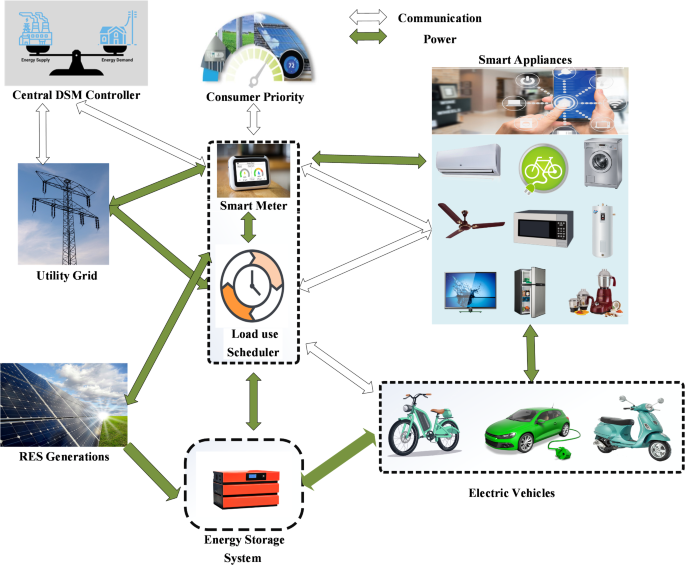
Technology Overview of OCHRE
OCHRE represents a significant leap in residential energy modeling. At its core, it’s a software platform that combines detailed thermal and electrical simulations to mimic how homes consume and manage energy. Created under NREL’s Grid Modernization initiative, OCHRE addresses the growing need for demand-side technologies in an era of electrification.
With the rise of electric vehicles, solar panels, and smart appliances, traditional energy models fall short. OCHRE fills this gap by offering high-resolution simulations that capture minute-by-minute changes.
Why does OCHRE exist? The push for sustainable energy has highlighted the role of residential buildings, which account for a substantial portion of global energy use. By modeling controllable devices like heat pumps and batteries, OCHRE helps quantify benefits such as cost savings and grid stability.
It’s built on Python, making it accessible for researchers and engineers to customize and integrate with other tools.
In terms of innovation, OCHRE incorporates object-oriented programming, allowing modular representation of home components. This means you can “plug in” different devices or scenarios without rewriting code. For the digital future, it’s a tool that aligns with AI-driven automation, where homes could self-optimize energy use based on real-time data.
Key Features of OCHRE
OCHRE’s features make it a powerhouse for energy simulation. Here’s a breakdown:
- Controllable Device Models: Includes smart HVAC systems, water heaters, electric vehicles (EVs), photovoltaic (PV) systems, and batteries. Each can be externally controlled to simulate real-world scenarios.
- High-Resolution Simulation: Operates at time steps as fine as 1 minute, capturing dynamic behaviors that lower-resolution models miss.
- Thermal and Electrical Integration: A white-box building envelope model accounts for factors like ambient temperature, solar irradiance, and humidity, while voltage-dependency affects power consumption.
- Co-Simulation Capabilities: Integrates with grid simulators, allowing studies of thousands of homes simultaneously.
- Open-Source Accessibility: Available on GitHub, encouraging community contributions and adaptations.
These features ensure OCHRE is not just a model but a versatile platform for testing innovative energy strategies.
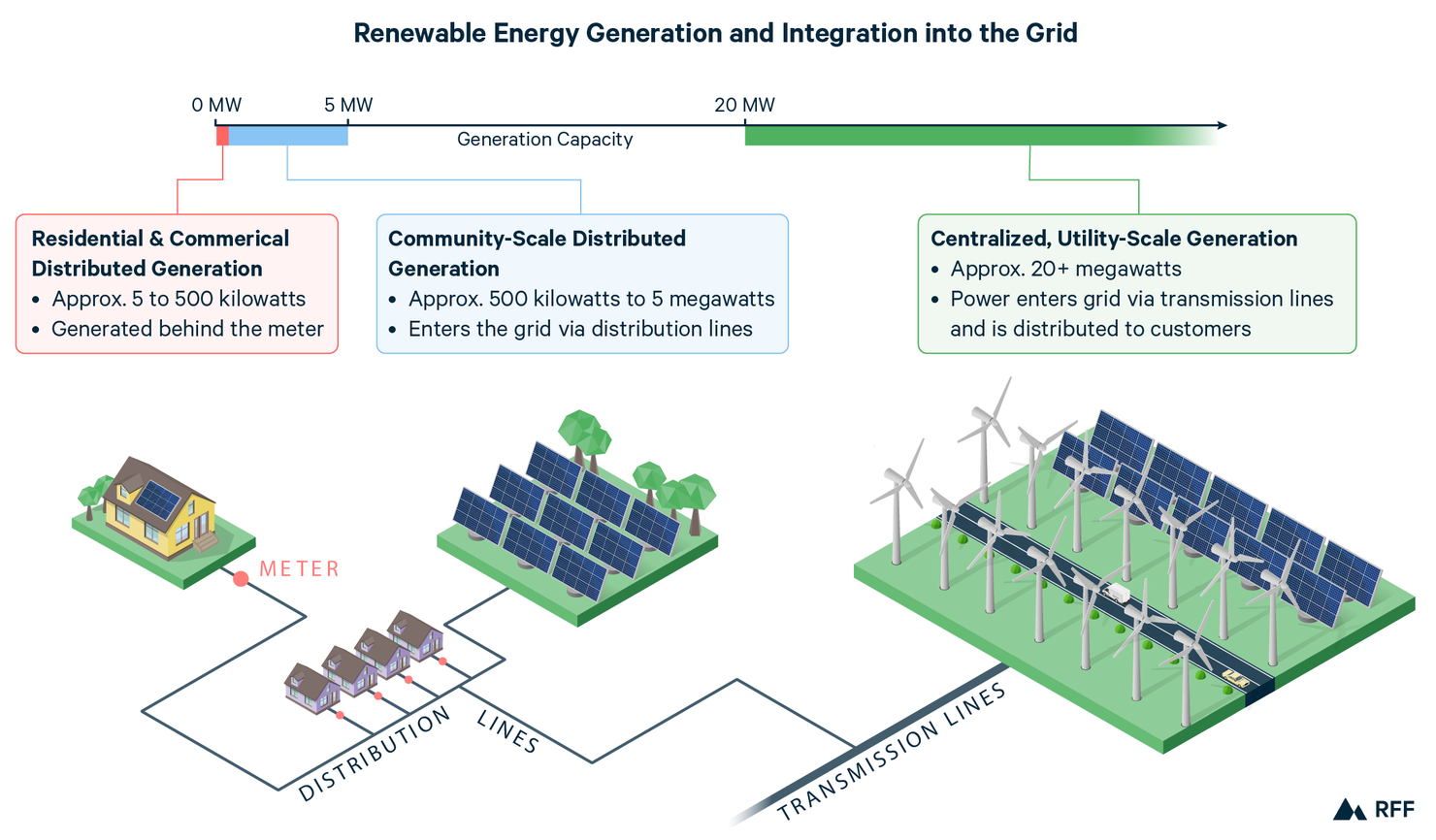
How OCHRE Works: A Step-by-Step Mechanism
Understanding how OCHRE functions reveals its technical sophistication. Let’s break it down into steps.
- Model Setup: Users define the residential building using parameters from tools like ResStock™ or BEopt™. This includes the thermal envelope—walls, roof, insulation—and end-use loads.
- Device Integration: Add controllable devices. For example, an EV model considers charging levels and event-based scheduling, while PV systems factor in solar input.
- Simulation Execution: OCHRE runs time-series simulations, solving differential equations for thermal dynamics and electrical behaviors. It uses a multi-node approach for heat transfer, considering internal gains and external conditions.
- Control Application: External controllers adjust device operations. In co-simulation, OCHRE interacts with grid models to respond to signals like price changes or demand peaks.
- Output Analysis: Generates detailed data on energy use, comfort levels, and grid impacts. Voltage dependencies ensure realistic power draws.
This mechanism allows for precise modeling of scenarios like peak shaving, where devices shift loads to off-peak times. In practice, it’s like having a virtual lab for energy experiments.
For a deeper dive, consider the mathematical underpinnings. The thermal model uses capacitance-resistance networks to simulate heat flow:
| Component | Equation Example | Description |
|---|---|---|
| Building Envelope | dT/dt = (Q_in – Q_loss) / C | Temperature change based on heat gains/losses and capacitance. |
| HVAC System | P = COP * Q_thermal | Power consumption via coefficient of performance. |
| Battery | SOC_t = SOC_{t-1} + (P_charge – P_discharge) * dt / Capacity | State of charge update. |
Real-World Applications and Modern Use Cases
OCHRE shines in real-world applications. One key use is in neighborhood-scale electrification retrofits. In a 2023 study, OCHRE simulated 498 all-electric homes, showing how energy-efficiency upgrades reduce peak loads by up to 73%.
Businesses use OCHRE to test home energy management systems (HEMS). For instance, utilities can model demand response programs, where smart thermostats adjust based on grid needs, saving costs without compromising comfort.
In industry, companies like those developing EV chargers integrate OCHRE to predict grid impacts. A case study on solar-plus-storage systems used OCHRE to quantify savings, revealing up to 20% reductions in energy bills.
From a personal perspective, as an expert in energy tech, I’ve seen OCHRE help homeowners simulate rooftop solar installations. It’s practical for deciding if adding a battery makes financial sense in variable climates.
Modern use cases extend to AI integration. Imagine OCHRE paired with machine learning to forecast loads, enabling automated bidding in energy markets.

Benefits of Adopting OCHRE
The benefits of OCHRE are multifaceted.
- Energy Cost Savings: By optimizing device controls, users can cut bills significantly. In simulations, demand flexibility reduces peaks, lowering utility charges.
- Grid Reliability: Helps integrate renewables, reducing voltage fluctuations and supporting more DERs.
- Occupant Comfort: Models ensure controls don’t sacrifice indoor temperatures or hot water availability.
- Scalability: Simulates thousands of buildings, ideal for city planners.
- Innovation Driver: Enables testing of emerging tech like vehicle-to-grid systems.
Bold takeaway: OCHRE empowers a sustainable future by making energy management smarter and more efficient.
Limitations and Challenges with OCHRE
No tool is perfect. OCHRE’s high resolution demands computational power, potentially limiting use on standard hardware for large-scale simulations.
It relies on accurate input data; poor parameterization can lead to unreliable outputs. While open-source, it requires programming knowledge for advanced customizations.
Validation shows good agreement with EnergyPlus, but real-world discrepancies can occur due to unmodeled variables like occupant behavior.
Compared to simpler models, OCHRE might be overkill for basic analyses. However, its detail is a strength for complex studies.
Comparisons with Traditional Energy Solutions
How does OCHRE differ from older models? Traditional tools like EnergyPlus focus on building efficiency but lack controllable DER integration at high resolution.
| Feature | OCHRE | EnergyPlus | BEopt |
|---|---|---|---|
| Time Resolution | 1 min | 15-60 min | Hourly |
| Controllable DERs | Yes | Limited | No |
| Grid Co-Simulation | Advanced | Basic | None |
| Object-Oriented | Yes | No | No |
Future Potential of OCHRE
Looking ahead, OCHRE’s potential is immense. With AI advancements, it could incorporate predictive analytics for proactive energy management.
Future developments might include IoT integration, allowing real-time data feeds from actual homes. As electrification grows, OCHRE could model entire smart cities, optimizing for climate change impacts.
Publications suggest expansions to commercial buildings or microgrids. In the digital future, OCHRE could be key to net-zero homes, where automation and innovation converge.
FAQ
What is OCHRE in technology?
OCHRE is an open-source residential energy model from NREL, focusing on high-resolution simulation of smart devices and grid integration for efficient energy management.
How does OCHRE work?
It uses object-oriented modeling to simulate thermal and electrical dynamics at 1-minute intervals, integrating controllable devices and co-simulating with grids.
Is OCHRE safe or reliable?
Yes, validated against tools like EnergyPlus, OCHRE provides reliable insights, though accuracy depends on input data.
Who should use OCHRE?
Researchers, utilities, engineers, and policymakers interested in energy innovation, DERs, and sustainable grid operations.
What are the latest updates or future developments for OCHRE?
Recent updates include enhanced co-simulation; future plans may involve AI integration and broader applications beyond residential.
Common problems or misconceptions about OCHRE?
A misconception is that it’s too complex; actually, its modular design makes it accessible. Common issues include high compute needs for large runs.
How is OCHRE different from traditional energy models?
Unlike static models, OCHRE offers controllability and high resolution, better suiting modern, dynamic energy systems.
Conclusion
In summary, OCHRE is a pivotal innovation in residential energy technology, offering detailed simulations that drive efficiency and sustainability. By naturally incorporating OCHRE into energy planning, we can achieve significant advancements in grid integration and cost savings.
Looking to the future, OCHRE’s role in the digital energy landscape will grow, potentially incorporating AI for even smarter systems. For tech enthusiasts and professionals, I recommend exploring OCHRE on GitHub—start simulating your own scenarios today to contribute to a greener tomorrow.
Share this content:



Post Comment