Business Technology
adaptive learning for upsc, ai powered exam preparation, ai upsc coaching, civil services preparation online, digital upsc learning platform, online upsc preparation, oti ias, oti ias platform, smart exam preparation technology, upsc edtech platforms, upsc online coaching 2026, vr interview simulation upsc
novabiztech
0 Comments
OTI IAS Technology Guide 2026: Why Old Coaching Methods Are Falling Behind
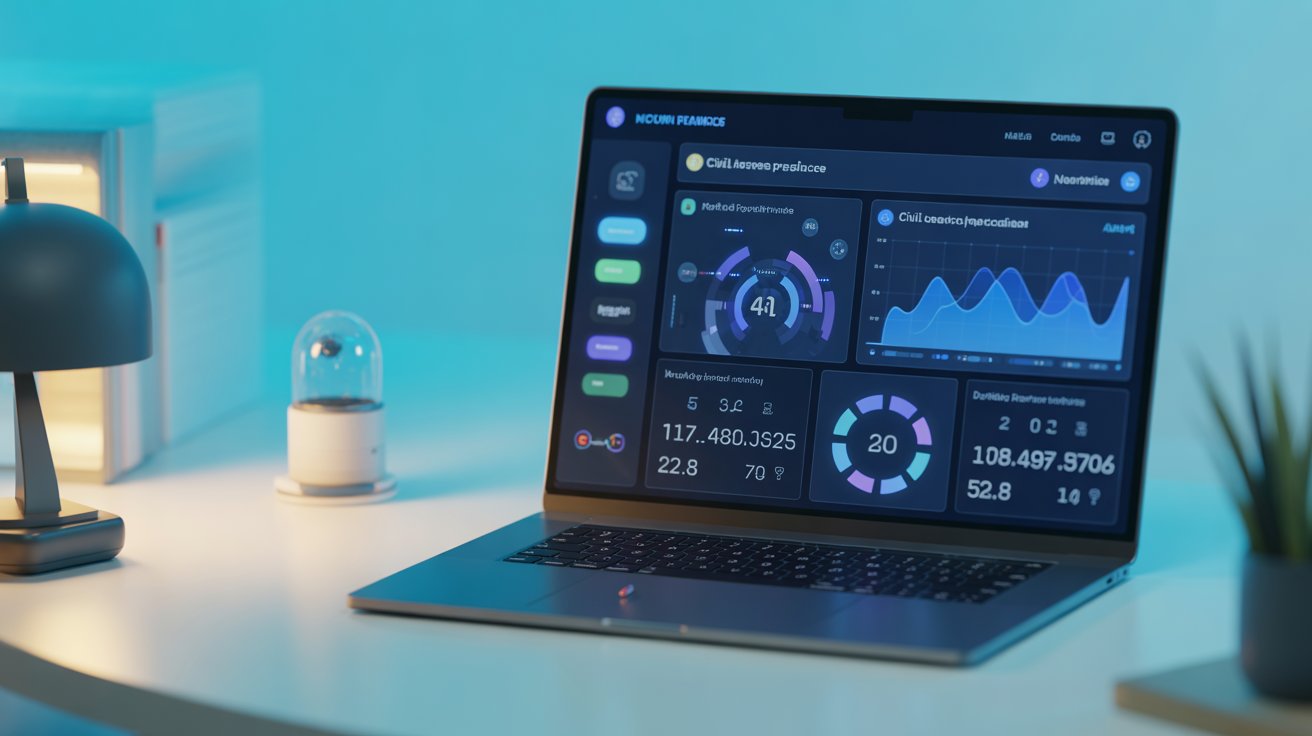
In the evolving landscape of competitive exam preparation, OTI IAS (Online Training Institute for Indian Administrative Services) stands out as a forward-thinking digital solution. This platform combines artificial intelligence, adaptive algorithms, cloud-based delivery, and immersive virtual reality to make UPSC Civil Services Exam (CSE) training more accessible, efficient, and effective.
Gone are the days when success depended solely on relocating to coaching hubs like Delhi or following rigid offline schedules. Today, working professionals in Faisalabad, London, or New York can access high-quality resources tailored to their pace and timezone. As edtech continues to innovate, OTI IAS represents a practical step toward a more inclusive digital future for civil services aspirants.
What Exactly Is OTI IAS?
OTI IAS is a specialized online coaching ecosystem built for UPSC CSE preparation, covering Prelims, Mains, and the Personality Test.
It operates as a fully cloud-hosted platform, offering:
- Live interactive classes
- Recorded lectures with searchable transcripts
- Adaptive mock tests
- Performance analytics
What sets it apart in 2026 is its integration of modern technologies like AI-driven personalization and VR-based interview simulations, turning traditional rote learning into smart, interactive skill-building.
Designed with global users in mind, it supports flexible timings (including EST/PST batches) and emphasizes digital governance topics relevant to tomorrow’s administrators.
How OTI IAS Leverages Technology: The Core Mechanism
The platform’s strength lies in its layered tech architecture.
1. AI Personalization Engine Upon signup, you take a diagnostic assessment. Machine learning analyzes your responses, optional subject, and available study hours to generate a dynamic roadmap. The system continuously refines plans using reinforcement learning—prioritizing weak areas like CSAT quant or ethics case studies.
2. Adaptive Daily Planner Your dashboard suggests bite-sized tasks daily (e.g., “Revise GS Paper 3 economy with 5 linked current affairs”). Completion data feeds back instantly, adjusting difficulty and volume to prevent overload.
3. Content Delivery & Interaction Live sessions via integrated video tools include polls and real-time doubt resolution. Recordings are auto-transcribed and tagged for quick navigation. Offline downloads ensure continuity during travel or low-connectivity periods.
4. Advanced Testing & Analytics Mock exams adapt in real time—harder questions follow correct answers. Detailed reports highlight patterns: conceptual gaps, time management issues, or careless errors. Predictive scoring estimates your likely rank based on historical UPSC trends.
5. VR Interview Simulator Using smartphone-compatible VR or browser 360° views, you enter a virtual UPSC boardroom. AI-generated avatars pose questions drawn from your submitted Detailed Application Form (DAF). The tool evaluates speech clarity, body language (via webcam), confidence, and response structure—delivering feedback like a seasoned mentor.
6. Integrated Current Affairs & Collaboration An intelligent engine aggregates verified news, maps it to syllabus topics, and creates targeted quizzes. Secure group chats connect users across time zones for peer discussions.
This seamless blend of software and AI makes preparation feel proactive rather than passive.
Standout Features Driving Innovation
- AI Answer Evaluation — Upload Mains answers for instant scoring on structure, depth, and relevance (trained on topper copies).
- Personality Development Module — Analyzes mock interview videos for tone, fillers, and empathy cues.
- Progress Dashboards — Visual charts track mastery levels, streaks, and projected performance.
- Offline-Ready Mobile App — Full functionality even without constant internet.
- Global Relations Content — Modules on India-US/UK tech ties, cybersecurity, and AI policy—preparing you for real-world roles.
These tools address common pain points: overwhelming syllabus, inconsistent feedback, and interview nerves.
Practical Use Cases in Today’s World
- Professionals Abroad — A UK-based engineer studies during evenings using AI-planned micro-sessions and VR practice at home.
- NRI Aspirants — US students leverage timezone-friendly batches and simulated interviews without travel hassles.
- Remote Learners — Users in smaller cities or regions with limited coaching access benefit from cloud resources and affordable pricing.
- Re-attempters — Targeted AI insights focus on previous weak spots for efficient improvement.
Many platforms now incorporate similar tech, but OTI IAS emphasizes structured, mentorship-backed delivery for serious candidates.
Key Benefits for Modern Aspirants
- Accessibility — Study from anywhere—no relocation costs or visa issues.
- Efficiency — AI reduces wasted time; users report 30–40% better consistency.
- Personalization — No more generic batches—your plan evolves with you.
- Stress Reduction — Gamified progress tracking and VR practice build confidence gradually.
- Future Skills — Exposure to digital governance topics aligns with evolving administrative demands.
Compared to self-study or scattered YouTube resources, it offers accountability and depth.
Realistic Limitations to Consider
- Connectivity Needs — Live features and VR perform best with stable internet (offline modes mitigate this).
- Balance with Human Guidance — AI excels at scale, but complex essay feedback may still benefit from mentor calls (platform provides options).
- Initial Adaptation — Dashboard navigation takes a short learning curve for some.
- Not a Magic Fix — Success still requires discipline; tech amplifies effort, not replaces it.
Regular updates and support keep these drawbacks minimal.
OTI IAS vs. Traditional & Other Online Coaching
| Feature | OTI IAS (Tech-Forward) | Traditional Offline Coaching | Generic Online Platforms |
|---|---|---|---|
| Personalization | AI-adaptive daily plans | Fixed syllabus for batch | Basic recorded content |
| Interview Prep | VR simulations + AI analysis | In-person mocks (limited slots) | Static videos |
| Flexibility | Global timezones, offline access | Fixed schedules, location-bound | On-demand but no adaptation |
| Cost Efficiency | Lower fees, no living expenses | High tuition + relocation | Varies, often mid-range |
| Analytics | Real-time predictive insights | Periodic manual reviews | Basic progress bars |
| 2026 Edge | AI/VR integration | Chalk-and-talk | Emerging AI in some |
For tech-comfortable, location-independent users, OTI IAS offers clear advantages.
Safety, Reliability & Credibility
The platform uses standard encryption for data privacy and complies with global best practices. Faculty credentials (often ex-officers) are transparent. While specific success stats vary, online platforms like this have helped NRIs and professionals clear stages through disciplined use.
Always cross-verify claims with official UPSC results and user communities.
Who Benefits Most from OTI IAS?
- Busy professionals balancing jobs in Pakistan, US, UK, or elsewhere.
- International students or NRIs seeking structured guidance.
- Self-learners wanting data-backed tracking.
- Anyone prioritizing flexibility over physical classrooms.
If you thrive with apps and digital tools, this aligns perfectly.
Looking Ahead: The Future of Platforms Like OTI IAS
As AI and VR mature, expect:
- Generative tools for real-time essay co-creation.
- Augmented reality for map-based geography.
- Predictive trend analysis from big data.
- Global hybrid workshops with universities.
These innovations position such platforms as training grounds for AI-era governance.
FAQ Section
What is OTI IAS in the context of modern technology? OTI IAS is an AI-enhanced online platform for UPSC preparation, using adaptive learning, cloud delivery, and VR simulations to personalize study and build exam skills digitally.
How does OTI IAS actually work for daily preparation? It starts with a diagnostic test, then deploys an AI planner for daily tasks, delivers content via live/recorded sessions, and provides adaptive mocks with instant analytics—adjusting everything based on your performance.
Is OTI IAS reliable and secure for serious aspirants? Yes—built on secure cloud infrastructure with encryption. It offers structured guidance backed by experienced faculty, making it more reliable than uncurated free resources.
Who should consider using OTI IAS in 2026? Working professionals, NRIs, remote learners, and tech-savvy aspirants who value personalization, flexibility, and modern tools over traditional setups.
What are the latest tech features in OTI IAS? 2026 highlights include enhanced AI answer feedback, VR interview rooms with dynamic questioning, and improved mobile offline sync for global users.
Are there common misconceptions about platforms like OTI IAS? Many assume online means less effective or impersonal. In reality, AI + live mentorship provides deeper customization than many offline batches, though it requires self-discipline.
How does it differ from older coaching methods? Traditional approaches rely on uniform pacing and manual evaluation; OTI IAS uses real-time adaptation, predictive insights, and immersive VR—making prep smarter and more measurable.
Final Thoughts on OTI IAS
OTI IAS embodies the shift toward intelligent, inclusive edtech in competitive exams. By harnessing AI for personalization and VR for practical simulation, it empowers aspirants worldwide to prepare effectively without traditional barriers.
In a digital-first era, tools like this don’t just help pass exams—they build adaptable mindsets for future public service.
Ready to explore? Take a diagnostic test on a similar platform or research current options. Your path to civil services can start today—smarter, faster, and from anywhere.
Author Bio
Daniel Harper is a technology writer specializing in AI-driven education platforms, digital learning innovations, and emerging edtech solutions transforming global education.
Share this content:



Post Comment