Ausbeulstation: Innovating Auto Dent Repair in 2026
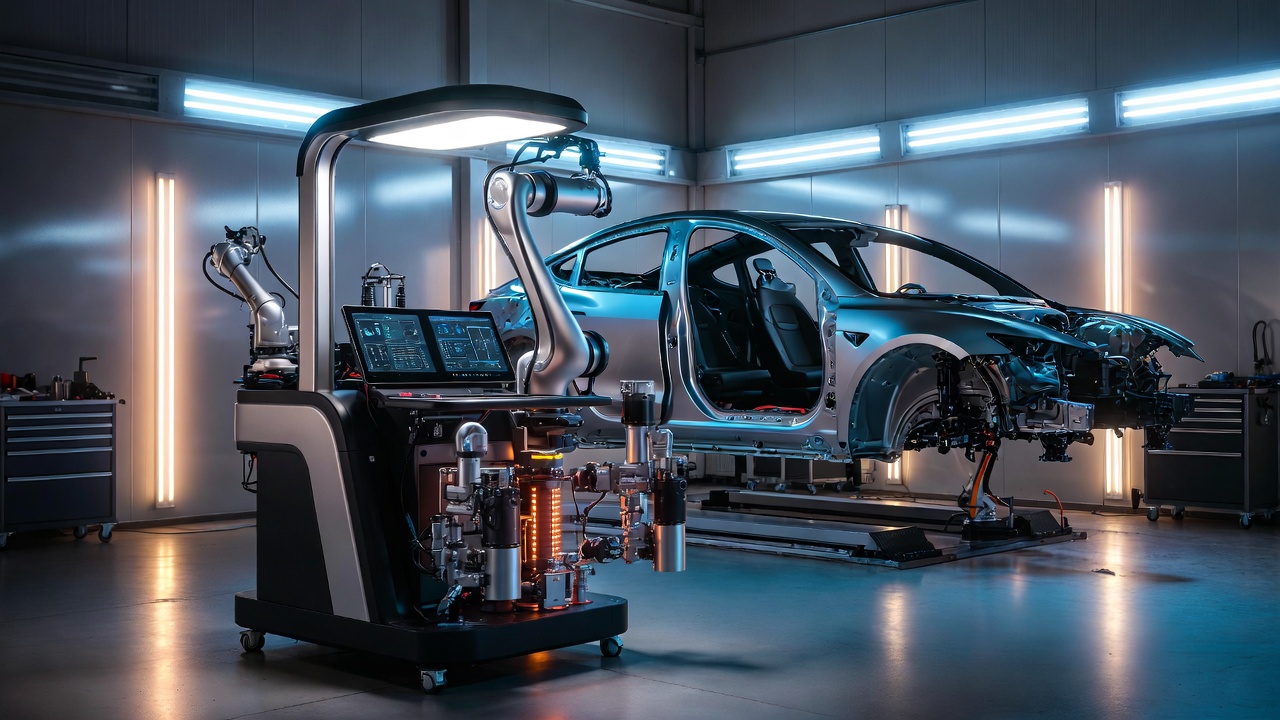
Introduction to Ausbeulstation
Modern vehicles feature complex materials like aluminum alloys and advanced high-strength steels, along with delicate paint systems that demand careful handling. In this environment, the Ausbeulstation — a German term for a dedicated dent repair station — stands out as a practical solution for professionals.
This workstation organizes dent repair tools into a mobile or stationary setup, enabling technicians to perform paintless dent repair (PDR) and related techniques more efficiently. Within the first moments of working with one, many shops notice improved workflow and reduced reliance on filler or repainting.
Key insight: A well-equipped dent pulling system helps address minor to moderate dents while preserving factory finishes, which matters for warranty compliance and resale value.
What Is an Ausbeulstation?
An Ausbeulstation, or dent repair station, serves as a centralized hub for professional dent removal. It typically includes a rolling cart or console that holds pullers, welders, heaters, and accessories in one organized package.
German workshops popularized the concept for its efficiency in high-volume environments. Today, versions range from compact mobile units for on-site work to full-featured stations in collision centers.
It goes beyond basic PDR tools by integrating everything needed for controlled pulling, heating, and finishing without scattering equipment across the bay. Mechanics and mobile services appreciate how it turns scattered tools into a repeatable process.
The Technology Behind Dent Repair Systems
Dent formation involves metal stretching and compression. Effective repair reverses these stresses without adding material or altering the surface finish.
Modern systems rely on:
- Controlled mechanical force through levers, slide hammers, or vacuum-assisted pullers.
- Thermal softening via induction heaters that warm panels safely.
- Visual feedback using LED reflection boards to detect even tiny imperfections.
- Digital enhancements in newer models, such as pressure sensors that monitor pull force.
These elements combine in a dent pulling system to restore panels while minimizing risk to paint or underlying structure. Brands like Pro Spot offer integrated mobile workstations that support steel, aluminum, and glue-based methods.
Key Components of an Ausbeulstation
Professional setups include several core elements:
- Mobile workstation cart — Sturdy frame with locking casters, power outlets, and organized storage drawers.
- Stud welder or spotter — For attaching pull tabs quickly and cleanly on steel panels.
- Glue-pull system — Heated glue guns with reinforced tabs and sometimes vacuum assist for curved surfaces.
- Induction heater — Battery or corded units that soften metal without open flame.
- Lever tools and knockdown hammers — Ergonomic rods and soft-tip tools from makers like Ultra Dent Tools, Anson PDR, or Dentcraft.
- Lighting and reflection aids — LED line boards or portable lights critical for quality control.
- Accessories — Tabs, dollies, and strain-monitoring tools in advanced configurations.
Practical tip: Look for modular designs that allow upgrades as your shop handles more aluminum or EV panels.
How an Ausbeulstation Works (Step-by-Step)
Experienced technicians follow a consistent sequence:
- Inspect and map the damage — Use strong lighting to evaluate depth, creases, and access from behind the panel.
- Prepare the surface — Clean thoroughly; apply heat if working with aluminum.
- Attach the pulling tool — Weld a tab, apply glue, or position a vacuum cup.
- Apply controlled tension — Pull gradually while monitoring reflections and tapping high spots with knockdown tools.
- Refine the repair — Work edges inward, using levers or hammers as needed.
- Final check — Re-light the area from multiple angles to confirm smoothness.
Many minor door dings or hail marks resolve in 20–60 minutes. Training and repetition build the tactile feedback needed for consistent results.
Types of Ausbeulstation Systems
Shops choose based on workflow:
| Type | Ideal For | Notable Features | Typical Investment Range |
|---|---|---|---|
| Mobile / Compact | Mobile technicians | Lightweight, battery options, glue/vacuum focus | $1,500–$4,000 |
| Full Pro Station | Collision centers | Stud welder, induction, multiple drawers | $4,000–$9,000 |
| Aluminum/EV Specialized | Dealerships & luxury shops | Low-heat tools, sensors for delicate panels | $6,000–$12,000 |
Systems from manufacturers like Pro Spot include dedicated aluminum dent pulling stations (MWS-AL series) that combine glue and mechanical methods.
Real-World Applications in Auto Repair
In hail-prone regions, mobile teams use compact dent repair stations to service fleets on-site, reducing downtime for rental companies and insurers. One common scenario involves insurance-preferred PDR for minor claims, where repairs finish the same day.
Restoration specialists working on classic cars appreciate the gentle approach that avoids filler on vintage panels. Dealership service departments use these stations for pre-delivery touch-ups or minor parking dings.
Industry observations show PDR services growing because they cut costs compared with traditional methods — often by 40–60% for suitable dents — while maintaining original paint.
Benefits of Using an Ausbeulstation
- Faster cycle times for qualifying repairs.
- Lower material costs (no extensive filler or paint).
- Better preservation of factory finishes.
- Reduced environmental impact through less waste and VOCs.
- Improved customer satisfaction from quicker turnarounds.
Many workshops report higher throughput for small-damage jobs, freeing bays for larger collision work.
Limitations and Challenges
Severe creases with cracked paint or structural damage still require conventional bodywork. Aluminum demands careful heat control to avoid cracking. Initial learning takes practice — typically weeks to months depending on prior experience.
Dust management around welding and consistent lighting remain important for clean results. Not every dent suits this approach, so technicians assess each case carefully.
Ausbeulstation vs Traditional Dent Repair
| Aspect | Dent Repair Station / PDR Approach | Traditional Filler & Repaint |
|---|---|---|
| Typical Time | 15–90 minutes for many dents | Several hours to days |
| Cost Profile | Lower consumables, higher skill leverage | Higher materials and labor |
| Finish Quality | Original paint preserved | New paint applied |
| Environmental Factor | Minimal waste | More sanding dust and VOCs |
PDR excels when paint remains intact; traditional methods handle deeper or painted damage.
Safety, Precision, and Efficiency
Always use proper PPE — gloves, eye protection, and ventilation where needed. Work in well-lit areas and verify panel temperature when heating.
Precision improves with quality lighting and organized tools. Efficiency grows when technicians standardize their setup and track repair times for common damage types.
Future of Automotive Repair Technology
Looking ahead, expect more integration of scanning apps that map dents in 3D and suggest pull sequences. Induction tools will become lighter and more precise. Cloud-connected stations may log repair data for training or insurance documentation.
As electric vehicles proliferate, gentle repair methods that avoid compromising battery-adjacent panels will gain importance. The core principle remains: skilled technicians supported by well-designed tools deliver the best outcomes.
FAQ
What does Ausbeulstation mean? It translates from German as “dent-pulling station” and refers to a organized workstation for professional dent removal using PDR and related techniques.
How does an Ausbeulstation work? It provides a mobile or fixed base for attaching pull tabs or tools, applying controlled force, and finishing the panel while using lighting to guide the process.
Is it the same as PDR? PDR describes the paintless technique; an Ausbeulstation is the equipped station that often supports PDR along with stud welding, glue pulling, and heating.
Who should use an Ausbeulstation? Body shop technicians, mobile dent repair services, dealership service departments, and restoration specialists benefit most.
Is it cost-effective? For suitable dents, it often reduces labor and material expenses compared with repainting, though results depend on technician skill and damage type.
Can it repair all dents? It works well for many minor to moderate dents without paint damage. Deep creases, cracked paint, or structural issues usually need traditional repair.
What is the future of dent repair technology? Increased use of digital mapping, lighter induction tools, and specialized systems for aluminum and EV panels will continue to refine the process.
Conclusion
An Ausbeulstation brings structure and efficiency to dent repair in modern automotive workshops. By combining quality PDR tools with organized workflow, it helps professionals deliver reliable results while respecting original finishes and controlling costs.
If your shop handles frequent minor damage or hail work, evaluate a dent repair station suited to your volume and vehicle mix. Proper training and investment in reputable components from brands like Ultra Dent, Anson PDR, or Pro Spot can pay dividends through faster, cleaner repairs.
Author Bio Written by Alex Rivera, an automotive repair specialist with over 12 years of experience in collision centers and mobile PDR services. Alex has trained technicians on modern dent repair systems and stays current with 2025–2026 industry developments through hands-on work and manufacturer partnerships.
Share this content:




Post Comment