How to Drive a Manual Car: 5 Steps to Master the Clutch
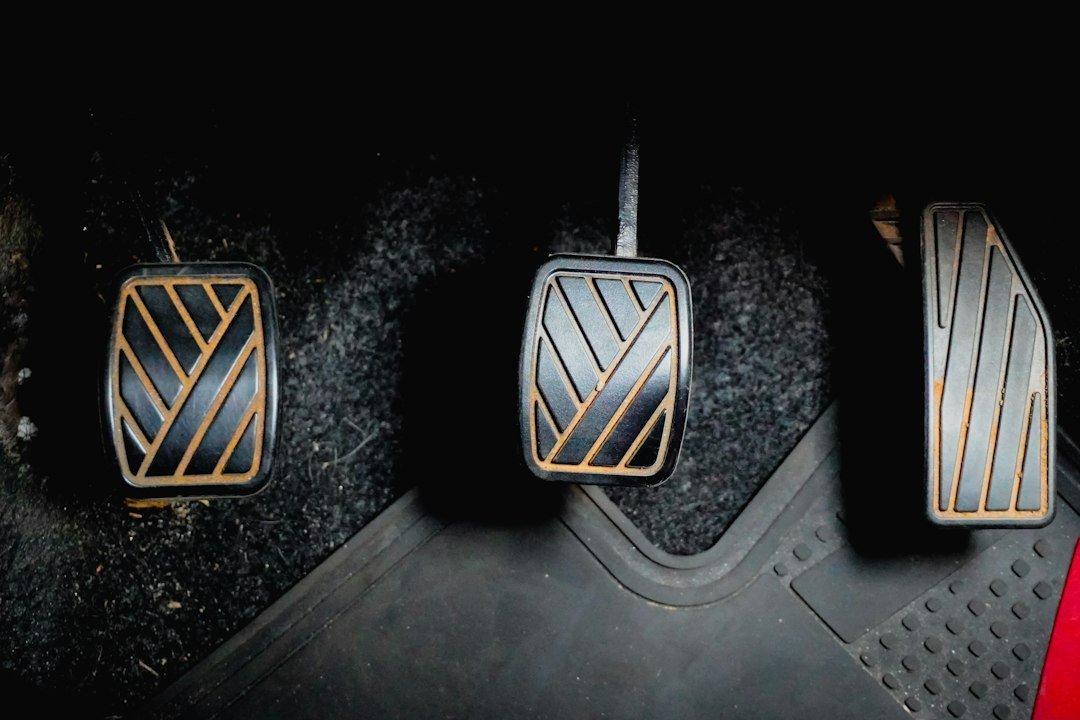
To learn how to drive a manual car, you must coordinate three pedals: the clutch, brake, and accelerator. The core mechanic involves pressing the clutch fully, selecting a gear, and slowly releasing the clutch until you reach the bite point, then adding gentle throttle.
This process allows you to transfer power from the engine to the wheels without stalling. Once you understand this foundation, driving a manual vehicle becomes a logical sequence of movements rather than a chaotic mix of inputs.
Key Takeaways
- Your left foot controls only the clutch; your right foot manages both the brake and accelerator.
- The “bite point” is where the clutch begins to engage; finding it is the most critical skill for smooth starts.
- Always depress the clutch fully before shifting gears to prevent grinding and transmission damage.
- Practice in a safe, flat, low-traffic area before attempting to drive in real traffic conditions.
- Stopping requires braking first, then pressing the clutch as the car slows down to avoid stalling at a stop.

Understanding the Three Pedals and the Shifter
Before you touch the ignition, you need to understand the physical layout of the controls. In a manual car, your left foot is dedicated entirely to the clutch pedal. This pedal disconnects the engine from the transmission. Your right foot operates two pedals: the brake and the accelerator.
Your hand controls the gear shifter, which is usually arranged in an H-pattern. This layout typically has five forward gears, a reverse gear, and a neutral position. Knowing exactly where each gear is located helps you shift without looking, which is essential for safety.
The clutch pedal does not work like a light switch. It is a gradual engagement. When you press it down, the engine is completely disconnected from the wheels. When you release it, the engine reconnects. The point where this reconnection happens is called the bite point. This is the moment the car starts to move or the engine revs drop slightly. Mastering this specific point is the difference between a smooth start and a stalled engine.
Starting the Car Without Stalling
Starting from a standstill is the most common point of failure for new manual drivers. The standard procedure is to press the clutch pedal fully to the floor with your left foot. Then, select first gear with the shifter. Next, slowly release the clutch with your left foot.
You are looking for the bite point, which you will feel as a slight vibration or a pull forward. Once you feel this, pause for a split second. Then, gently press the accelerator with your right foot while continuing to release the clutch smoothly. If you release the clutch too quickly, the car will stall.
If you press the accelerator too hard too soon, the engine will rev high without moving the car efficiently.
A common mistake is keeping too much pressure on the clutch pedal after the car starts moving. Your left foot should rest on the floor after the clutch is fully released. Keeping your foot on the clutch, even lightly, can cause the clutch plate to slip, which generates heat and wears out the component prematurely. This is a costly repair to avoid.

Shifting Gears While Driving
Once the car is moving, shifting to higher gears keeps the engine in its efficient power range. To shift up, press the clutch fully, move the shifter to the next gear, and release the clutch smoothly.
You do not need to lift off the accelerator aggressively, but you should reduce throttle slightly to let the engine speed match the new gear. If the car lurches, you are likely releasing the clutch too fast or the engine speed is too high for the gear.
Practice shifting in a straight line at low speeds to get a feel for the smooth transition between gears.
Downshifting is the reverse process. You will need to downshift when you are slowing down for a turn or a stop. Press the clutch, select the lower gear, and release the clutch. You may need to add a small amount of throttle to keep the engine from bogging down. This technique, known as rev matching, becomes natural with practice. For now, focus on simply selecting the correct gear before you reach a complete stop.
Stopping and Parking Safely
Stopping in a manual car requires a different sequence than in an automatic. When you need to stop, press the brake pedal with your right foot first. As the car slows down and the engine speed drops, press the clutch pedal with your left foot.
You should press the clutch just before the car comes to a complete stop or the engine starts to shake. If you wait too long, the car will stall. If you press the clutch too early, you lose engine braking, which can reduce your control over the vehicle.
Once stopped, select neutral and release the clutch. This leaves the engine running without engaging the transmission.
For parking, especially on a hill, you will need to use the handbrake. Engage the handbrake, select first gear (or reverse if facing downhill), and release the foot clutch. This prevents the car from rolling. When you are ready to leave, press the foot clutch, release the handbrake, and perform a smooth start as described earlier.
Common Mistakes and How to Fix Them
Most new drivers make the same few mistakes. The most frequent is riding the clutch, which means keeping the left foot resting on the pedal instead of the floor. This causes wear and tear on the clutch mechanism.
The fix is simple: make a conscious habit of moving your left foot to the floor whenever the clutch is fully engaged. Another common issue is stalling at traffic lights. This happens when you release the clutch too quickly or do not provide enough throttle.
To fix this, be more deliberate with your clutch release and add a touch more gas as you feel the bite point.
Grinding gears is another sign of poor clutch control. If you hear a grinding noise when shifting, it means the clutch is not fully depressed. Always press the clutch to the floor before moving the shifter. This protects the transmission and ensures a smooth shift. If you find yourself struggling with these issues, it is helpful to review the basics of how to drive a manual car in a quiet environment without the pressure of traffic.
Where to Practice and Safety Tips
Practice is the only way to build muscle memory. Find a large, flat, low-traffic area, such as an empty parking lot or a quiet residential street. It is best to practice with an experienced licensed driver or a qualified instructor present, especially if you are in a region where this is required.
Do not attempt to learn new techniques in heavy traffic. You need a safe space to stall, stop, and restart the car without putting other drivers at risk. Focus on one skill at a time. For example, spend ten minutes just practicing finding the bite point from a standstill.
Then move on to shifting gears while moving slowly.
Always check your mirrors before starting or stopping. Being aware of your surroundings is just as important as controlling the vehicle. If you feel overwhelmed, take a break. Frustration leads to sloppy movements, which can cause accidents. Patience is a key part of learning how to drive a manual car. The process takes time, but the skills you build are valuable and last a lifetime.
For more insights on practical skills and digital tools that support modern life, you can explore the latest guides on our site for additional resources.
What to Do Next
1. Find a safe, empty parking lot and sit in the driver’s seat without starting the car. Practice pressing and releasing the clutch to feel the resistance and travel.
2. Start the car in neutral. Practice finding the bite point without trying to move the car, just feeling where the engine engages.
3. Attempt to move the car a few feet forward and back using first gear and reverse, focusing on smooth clutch release and gentle throttle.
Reading the Engine: When to Shift Up or Down
Your ear is your most reliable gauge. A manual car wants to operate in a specific RPM window, usually between 2,000 and 4,000 RPM for most non-sport models. If the engine sounds like a tractor and vibrates heavily, you are in a gear that is too high for the speed. Drop down a gear. If the engine screams and the car jumps forward aggressively, shift up immediately.
Do not rely solely on speedometer numbers. A 30 mph speed in a loaded car on an uphill grade requires a lower gear than the same speed on a flat road. Listen for the pitch change. When the hum drops low and the steering wheel starts to shake, you are over-revving or under-gearing. Correct it before the engine takes damage.
Why Your Car Shudders at Traffic Lights
Stalling or shuddering at a stop is almost always a clutch release error. The problem is usually releasing the pedal too fast before the engine speed matches the wheel speed. This causes the drivetrain to jerk, making the car lurch forward or die.
- The Fix: Find the ‘bite point’ where the car starts to creep. Hold it there for a second to let the engine revs stabilize.
- Engine Speed: Before releasing the clutch, blip the throttle to about 1,500 RPM. This ensures the engine is spinning fast enough to turn the wheels.
- Speed of Release: Release the clutch pedal in two stages. Fast to the bite point, then very slowly to the floor.
If you keep stalling, practice in a safe, empty parking lot. Start in second gear instead of first to reduce the suddenness of the power delivery.
Downshifting Without Using the Brake
Many drivers brake hard, stall, and then shift. This is inefficient and wears out parts. You can downshift using engine braking alone. This technique, known as ‘blipping’ or ‘rev-matching,’ keeps the car smooth and keeps your right foot on the gas.
Here is the sequence: lift off the accelerator, press the clutch, and select the lower gear. While the clutch is pressed, tap the gas pedal quickly to raise the RPMs to match the new gear. Release the clutch and gas simultaneously. The car will decelerate smoothly without the jerking sensation of braking and shifting separately. It takes practice to time the gas tap correctly, but it saves your brake pads and makes driving feel much more connected.
Frequently Asked Questions
Is it hard to learn how to drive a manual car?
It can seem difficult at first because it requires coordinating three pedals and a shifter. However, with consistent practice in a safe environment, most people pick up the basic skills quickly. The coordination becomes muscle memory after a few weeks of regular driving.
What should I do if I stall in traffic?
Stay calm. Put the car in neutral, engage the handbrake if necessary, and restart the engine. Then, use the standard starting procedure to move the car. Stalling is a normal part of the learning process and does not indicate a mechanical problem.
Can I damage my car by stalling a lot?
Stalling itself does not damage the engine or transmission. However, rough shifting or riding the clutch can cause wear. As long as you press the clutch fully before shifting and avoid slipping the clutch unnecessarily, occasional stalling is not harmful.
Further reading
- How to Drive a Manual Car: The Complete Guide – Motor Hills
- How to Drive a Manual Car: Step-by-Step Beginner Guide
- How to Drive a Manual Car : 12 Steps (with Pictures) – Instructables
Share this content: