Poly Buzz AI: Complete 2026 Guide to Features & Use
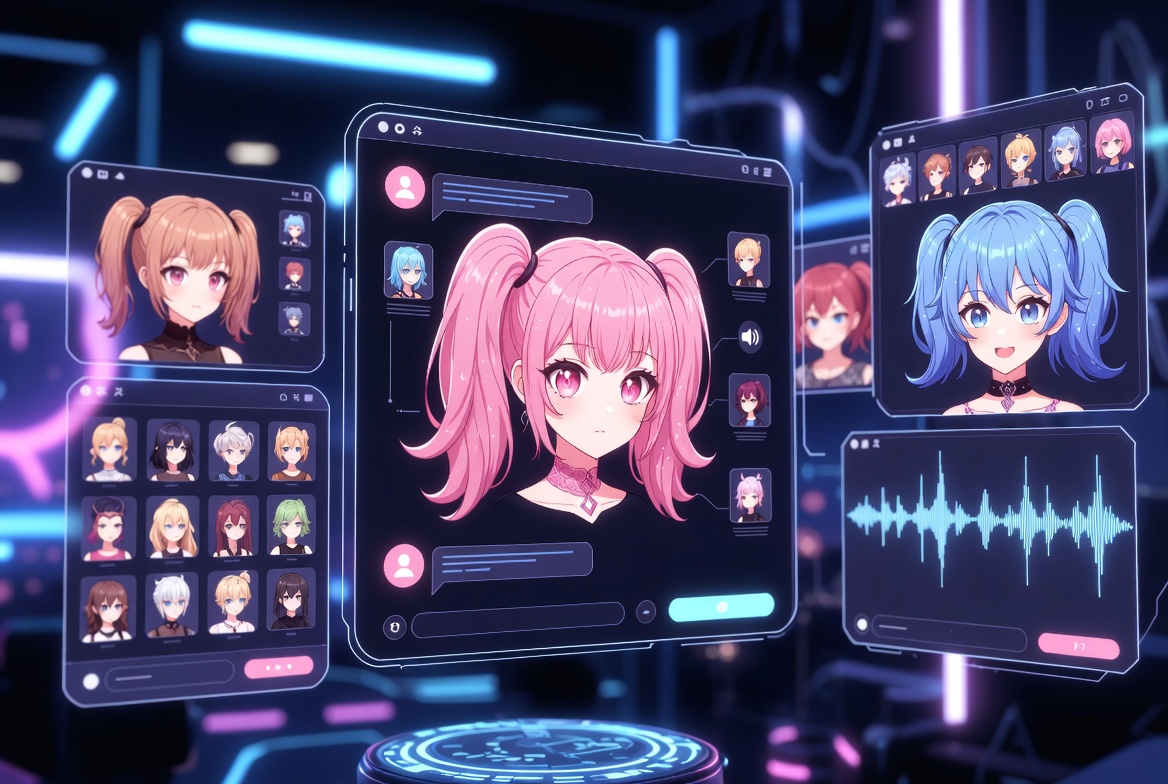
Poly Buzz has become one of the most visible names in consumer AI entertainment. In a market full of chatbots built for answering questions or boosting productivity, this platform focuses on immersive character interaction, storytelling, and virtual companionship. What started as Poly.AI and rebranded to Poly Buzz now supports tens of millions of users who treat AI personas as collaborative narrative partners rather than simple tools.
From a technology and digital-systems perspective, Poly Buzz shows how large language models, voice synthesis, image generation, and community content can combine into a single consumer experience. This updated guide explains what the platform is, how the technology works in plain terms, real-world uses, benefits, limitations, and what it signals for the future of interactive AI.
What Is Poly Buzz?
Poly Buzz is an AI-powered character chat and roleplay platform developed by Cloud Whale Interactive Technology LLC. Users choose from a library of more than 20 million AI characters—covering anime styles, fictional figures, historical personas, celebrity-inspired bots, original community creations, and fully custom builds—or create their own.
Conversations happen mainly through text. Optional voice interaction and supporting AI image tools expand the experience. The platform is available on web browsers, iOS, and Android under a freemium model. Core chatting stays free, while subscriptions and a coin system unlock longer memory, extended voice use, ad removal, and higher-priority models.
The rebrand from Poly.AI happened around late 2024 to early 2025. It helped separate the consumer entertainment product from enterprise voice AI tools that shared similar names. By early 2026 the platform reported tens of millions of downloads, high monthly visits (around 42–65 million in various reports), and average session times of 15–17 minutes. These numbers point to genuine engagement rather than short-term curiosity.
At its heart, Poly Buzz sits at the meeting point of several current technology trends: generative dialogue, multimodal output (text + voice + images), large-scale user-generated content, and the cultural rise of digital companionship.
How Poly Buzz Works: Technology Explained Simply
You do not need to be an AI engineer to understand the basics. Here is the practical flow.
When you send a message, the system looks at three things together:
- The character’s defined personality, backstory, and speaking style
- The conversation history so far
- Your own persona settings (if you created one)
It then generates a reply that tries to stay consistent with that character. Free accounts keep a shorter memory of past messages. Paid plans claim longer or more persistent memory so characters can refer back to earlier details across sessions.
Voice features turn the text replies into spoken audio using synthesized voices meant to match the character. Some versions also accept spoken input from the user. This makes the chat feel more present and hands-free.
Image tools sit mostly outside the main chat window. You pick a style (anime, urban, fantasy, steampunk, and others), describe the subject, add tags, and generate avatars or scene pictures. A webtoon-style option appears in some accounts and lets users create sequential visual panels.
Character creation is deliberately fast. You upload or generate an avatar, set a name and gender, write a short public intro, and define basic personality traits. A separate persona tool tells the AI who you are inside the story so replies feel directed at a real person rather than a generic “user.” Advanced users can import character files from other platforms using JSON or character-card formats.
The huge library depends on community contributions. Official and popular characters sit alongside millions of user-made ones. Search and discovery tools surface the most relevant or popular options, while privacy settings let you keep characters completely private.
Behind the scenes the platform handles high traffic, keeps response times reasonable, runs content checks on public characters, and balances the cost of running AI models. The free-plus-subscription-plus-coins structure is common in consumer generative AI because generating replies, voice, and images costs money at scale.
Key Features of Poly Buzz
These capabilities stand out in the AI companion and roleplay category:
- Character library size — More than 20 million personas across anime, fantasy, romance, historical, celebrity, RPG, slice-of-life, and original creations. The pool grows daily through community uploads.
- Fast custom character builder — Quick setup focused on essentials rather than long questionnaires. Supports private or public sharing.
- User persona system — Define how the AI should see you so conversations feel more personal.
- Voice interaction — Synthesized character voices and spoken input options for greater immersion.
- AI image generation — Style selection, tagging, and variation tools for avatars and scenes. Webtoon features appear as a less-common extra.
- Memory options — Basic on free plans; longer or persistent on higher tiers.
- Story and multi-character modes — Structures that support longer narrative arcs.
- Cross-platform access — Web, iOS, and Android.
- Import tools — Bring in definitions from other ecosystems.
Together these features position Poly Buzz as a creative and entertainment platform rather than a productivity assistant.
Real-World Applications and Who Uses It
Poly Buzz serves mainly entertainment and creative goals, yet several practical patterns have emerged.
Creative writing support Writers test dialogue, explore personality dynamics, or roleplay scenes that help develop stories. Consistent personas across sessions act as a low-friction brainstorming partner.
Roleplay and interactive fiction Fans of anime, webtoons, RPGs, and interactive stories use the platform as an always-available collaborative storytelling space. Custom characters allow highly personal scenarios that fixed media cannot match.
Language practice Some users chat in a target language for casual conversation practice. The always-available and non-judgmental nature removes the social pressure of talking with a human partner.
Digital companionship A large share of usage involves ongoing chats that feel companion-like. Characters remember preferences and prior topics within technical limits. This fits the wider conversation about emotional engagement with AI systems.
Visual content ideas Image tools help create avatars, scene illustrations, or simple webtoon panels for personal projects or social media.
Community creation Public character makers gain visibility when their personas attract users, creating a content-production loop similar to other user-generated platforms.
These uses show how generative AI has moved beyond pure productivity into creativity, entertainment, and simulated social presence.
Benefits Compared with Older Approaches
Traditional options include static fiction, scripted single-player games, human roleplaying partners, or older rule-based chatbots.
Always available at scale Human partners have limited time. Scripted games offer fixed choices. Poly Buzz delivers on-demand interaction with enormous variety at any hour.
Deep personalization Custom characters and user personas create experiences far more tailored than pre-written media.
Multiple senses Text plus voice plus images creates richer involvement than pure text or simple earlier chatbots.
Low barrier to try Free-tier access lets people explore without immediate payment. Rapid character creation makes testing ideas easy.
Community volume User-created characters produce diversity that a small internal team could not match alone.
Compared with more restricted platforms in the same category, Poly Buzz is often described as relatively open in private chats (while still reviewing public content). This appeals to users who want fewer interruptions in narrative flow.
Limitations and Practical Drawbacks
Every technology has trade-offs. Independent reviews and user reports highlight several consistent points.
Memory is imperfect Free tiers keep limited context. Even paid long-term memory can drift or lose details over very long interactions. This is a current limit of most large language model systems.
Character quality varies widely With millions of community creations, some feel coherent and well-designed while others produce generic or inconsistent replies. Users need to curate their selections.
Monetization can feel layered Subscriptions, coins for voice or regenerations, and ads on the free tier create multiple payment surfaces. Heavy voice or memory users usually move to paid plans.
Privacy and data practices The platform states that private chats stay confidential. Some independent safety reviews have raised questions about encryption details, mobile trackers, and overall transparency. Anyone concerned about data should read the current privacy policy carefully.
Content moderation realities Public characters receive review. Private chats are more open. Age ratings (often 17+ or 18+) reflect the mature themes common in the library.
Not a source of facts Like most roleplay systems, Poly Buzz prioritizes character consistency and engagement over strict accuracy. It should never be treated as a reliable information source.
These limits are typical of current consumer generative AI products. They show where engineering effort continues—better memory systems, clearer pricing, stronger safety tools, and more transparent data handling.
Safety, Reliability, and Responsible Use
Reliability here means consistent character behavior, reasonable response speed, and platform uptime. Safety covers both content risks and data practices.
Private chats are presented as confidential. Still, avoid sharing highly sensitive personal information on any online service. Content checks focus more on public characters than private ones. Age-appropriate use matters because many characters explore mature themes.
Treat the AI as a creative or entertainment tool, not a substitute for human relationships or professional advice. Stay aware that the interactions are simulated. Monitor the time you spend.
Platforms of this type illustrate industry-wide challenges: balancing creative freedom with harm reduction, managing the cost of AI generation at scale, and building user trust around data. Check current independent safety assessments and the platform’s own documentation before heavy use.
Who Should (and Should Not) Use Poly Buzz
Good fit for:
- Fans of anime, webtoons, interactive fiction, and roleplaying games
- Writers who want dialogue practice or character exploration
- People interested in digital companionship or casual conversation practice
- Creators who enjoy designing and sharing original AI personas
- Anyone curious about the current state of generative character AI
Less ideal for:
- Users who mainly need factual research or productivity tools
- People who prefer tightly moderated or highly restricted environments
- Anyone seeking perfect long-term memory or completely human-like consistency
Future Trends and Innovation Potential
Several technology directions will shape platforms like Poly Buzz.
Better long-term memory systems (including external storage techniques and improved context handling) should reduce the gap between short chats and multi-week continuity.
Richer combinations of voice, images, and eventually video or interactive scenes could move experiences closer to living visual novels.
Characters that take limited initiative within defined boundaries or coordinate multi-character scenes more smoothly represent natural next steps.
Portable character definition standards would reduce lock-in and support a healthier ecosystem across apps.
Stronger real-time content tools and clearer user-controlled filters will remain important for mainstream trust.
On the cultural side, growing AI companionship continues to raise questions about emotional attachment and healthy design. Platforms that communicate the simulated nature of interactions clearly and offer tools for balanced use are more likely to keep long-term confidence.
Poly Buzz has moved past its early hype peak into a phase of steady usage. It demonstrates both the commercial demand for character-focused AI and the real engineering work required to deliver consistent experiences at scale.
Getting Started Tips
Most people begin on the free tier to explore the library and test basic chats. Create a personal persona and a few custom characters early so you can judge the creative tools. Try several characters of different popularity levels to see the quality range. If extended memory or frequent voice use becomes important, compare subscription tiers against your actual patterns rather than the maximum advertised features.
Review the current privacy policy, understand the coin and subscription costs, and set personal limits on time and emotional investment. These steps form good practice for any AI companion platform.
Frequently Asked Questions
What is Poly Buzz in technology terms? Poly Buzz is a generative AI platform focused on character-based conversational roleplay. It combines language models for dialogue, voice synthesis, image generation, and large community libraries to create immersive digital interactions.
How does Poly Buzz work? You select or create an AI character with defined personality and backstory. Your messages are processed with that context and conversation history. The system generates replies that aim to stay in character. Optional voice and image tools expand the experience. Higher plans improve memory depth and reduce ads or limits.
Is Poly Buzz safe or reliable? Reliability depends on the character and plan. Community content varies, and memory is imperfect. Safety involves content moderation (stronger for public characters) and data practices. Private chats are presented as confidential, but users should review current policies, avoid sensitive disclosures, and treat the system as entertainment technology. Age ratings reflect mature themes.
Who should use Poly Buzz? Roleplay fans, creative writers, anime and fiction enthusiasts, people interested in digital companionship, and creators who want to design original personas. It is less suitable for pure productivity or highly restricted environments.
What are the latest updates or future developments? As of 2026 the platform continues refining voice quality, memory systems, image and webtoon tools, and monetization. Industry progress toward longer context, better multimodal output, and stronger safety tools will influence future versions. Check official channels for the most current details.
What common problems or misconceptions exist? Not every one of the 20 million characters delivers equal quality—curation is necessary. The AI is not fully persistent or human-like in memory or emotion. Free-tier ads and layered costs for heavy voice or memory use are practical realities. Current generative models still have limits on long-term coherence.
How does Poly Buzz differ from older chatbots or traditional media? Older systems used rigid scripts or simple matching. Traditional media offers fixed stories. Poly Buzz provides generative, personalized, on-demand interaction with customizable personas at large scale. That is a clear advance in interactive entertainment.
Conclusion
Poly Buzz shows how generative AI has expanded from productivity tools into rich areas of creativity, narrative, and simulated social presence. By combining large character libraries, persona systems, voice, image tools, and community contribution, it delivers an experience that feels current within digital entertainment.
The technology meets real desires for always-available interactive storytelling partners and creative experimentation tools. At the same time it highlights ongoing challenges around memory reliability, content governance, pricing clarity, and responsible use. Its practical value today centers on entertainment, creative practice, and exploratory digital companionship rather than critical applications.
For technology observers and everyday users, platforms like Poly Buzz offer a clear window into the near-term path of interactive AI. As memory systems improve, multimodal capabilities deepen, and design practices around safety and transparency mature, the quality of these experiences will keep advancing.
If the mix of generative characters, roleplay freedom, and creative tools matches your interests, the free tier gives a direct way to evaluate the technology yourself. Approach it with realistic expectations about its strengths and limits, and it can serve as a practical demonstration of where consumer AI entertainment stands in 2026—and where it is headed next.
Share this content:



Post Comment