Business Technology
antioxidant support, cardiovascular supplements, coq10 benefits, coq10 heart health, heart energy supplement, heart health support, heart wellness 2026, is provascín safe, l carnitine, mitochondrial health, natural supplements canada, npn health canada, provascin, purica provascín, supplement review
novabiztech
0 Comments
What Is Provascin? 2026 Review: Ingredients, Dosage, Safety & Evidence
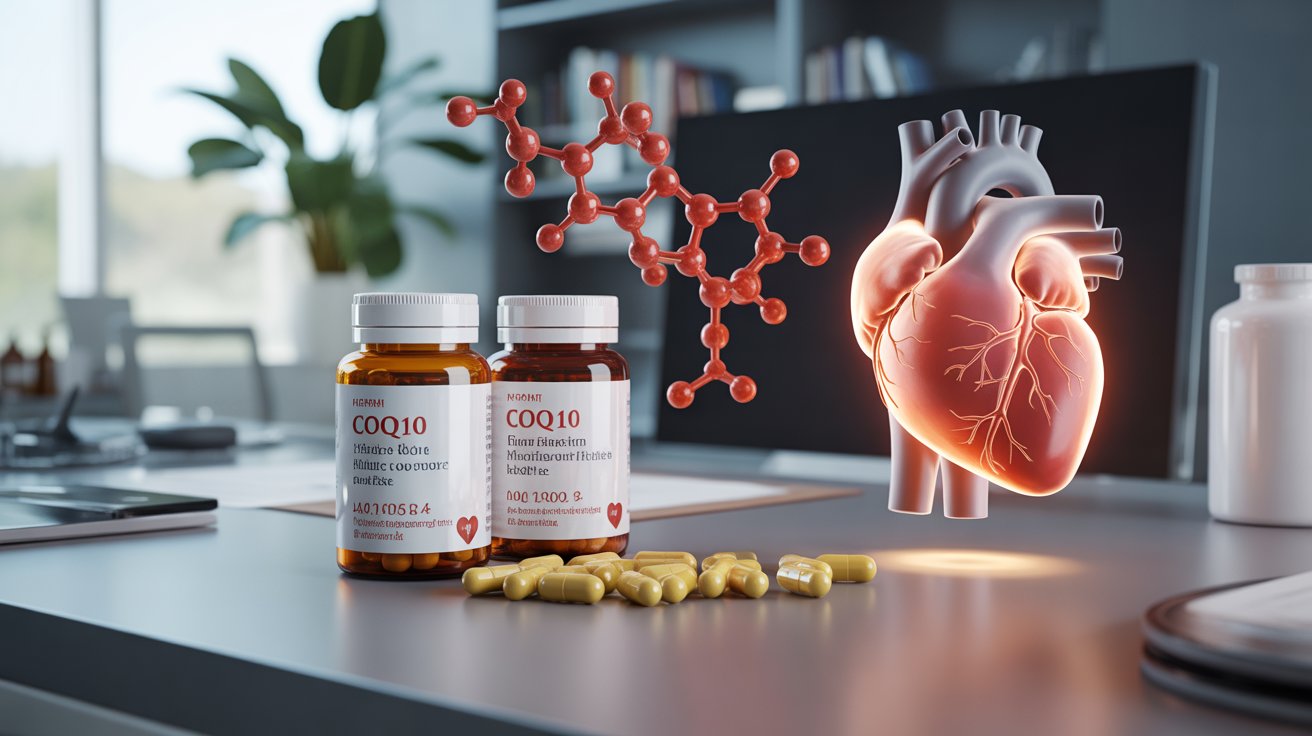
Provascin is a natural health product manufactured by Purica, a Canadian company. It is formulated to provide nutritional support for cardiovascular health, focusing on cellular energy production in heart tissue, antioxidant protection, and aspects of metabolic balance.
Provascin holds a Natural Product Number (NPN) from Health Canada, which means the product has undergone review for safety, quality, and labeling under its recommended conditions of use. However, this licensing does not equate to proven therapeutic efficacy for treating any disease.
This article delivers a factual, balanced review of Provascin based on product details from official sources and ingredient-level scientific literature. It addresses common user questions: what it contains, how it is used, what the evidence shows, realistic expectations, and critical safety considerations. The goal is to help readers make informed decisions while emphasizing that supplements work best as part of a broader, medically supervised approach to heart health.
What Is Provascin?
Provascin is available in capsule form, typically sold in 120- or 240-capsule bottles. Purica positions it as a broad-spectrum formula that combines compounds involved in mitochondrial function, oxidative stress management, and traditional circulatory support.
According to retailer information and Health Canada listings, each capsule generally provides:
- L-Carnitine: 188 mg
- Coenzyme Q10 (CoQ10): 125 mg
Other components often listed include alpha-ketoglutaric acid, betaine, alpha lipoic acid, chaga mushroom extract, and sometimes hawthorn or a proprietary blend such as Nutricol (a bioflavonoid complex).
Recommended dosage (as commonly stated by Purica):
- For general wellness and prevention: 3 to 4 capsules daily, taken with meals.
- For more intensive support in individuals with existing cardiovascular concerns: 6 to 8 capsules daily, but only under the direction of a qualified healthcare practitioner.
Taking it with food improves absorption of fat-soluble ingredients like CoQ10 and helps minimize potential stomach upset.
Ingredient Breakdown and Supporting Evidence
Provascin does not rely on a single “hero” ingredient. Instead, it combines several nutrients studied individually for roles in heart health. Here is a clear summary grounded in published research:
Coenzyme Q10 (CoQ10) CoQ10 is essential for mitochondrial energy production and functions as an antioxidant in cell membranes. Heart muscle cells have exceptionally high energy requirements, and CoQ10 levels tend to decrease with age and with the use of statin medications.
The Q-SYMBIO trial (Mortensen et al., 2014), a randomized, double-blind, placebo-controlled study published in the Journal of the American College of Cardiology: Heart Failure, enrolled 420 patients with chronic heart failure. Participants received 300 mg of CoQ10 daily or placebo for two years. The CoQ10 group experienced a significant reduction in the primary endpoint of major adverse cardiovascular events (15% vs 26% in placebo; hazard ratio 0.50, p=0.003). Secondary benefits included lower cardiovascular mortality, all-cause mortality, and fewer hospitalizations for heart failure, along with improved NYHA functional class. A 2019 European sub-group analysis confirmed similar positive findings.
L-Carnitine L-Carnitine plays a key role in transporting fatty acids into mitochondria for energy production. Literature reviews and meta-analyses suggest it may support aspects of cardiac function, exercise tolerance, and oxidative stress reduction in some cardiovascular contexts. A 2024 review highlighted its potential in improving heart energy output and left ventricular function in certain patient groups.
Other ingredients (hawthorn, alpha lipoic acid, betaine, chaga, etc.) contribute antioxidant and metabolic support. Hawthorn, for example, has been traditionally used and studied modestly for circulatory comfort and mild heart failure symptoms.
Important limitation There are no large-scale, independent clinical trials evaluating the complete Provascin formula as a single product. All potential effects discussed here are based on research into the individual ingredients, not the specific combination or dosages in this supplement. Synergistic benefits claimed by manufacturers remain unproven in rigorous product-specific studies. This is a common reality across many multi-ingredient nutraceuticals.
Realistic Benefits and Practical Use Cases
When used consistently as part of a healthy lifestyle, some users report subjective improvements in daily energy levels or exercise recovery. Ingredient-level evidence points to plausible supportive roles in mitochondrial function and antioxidant defense.
Provascin is most often considered by:
- Adults over 40 seeking general cardiovascular nutritional support
- Individuals on statins who have discussed CoQ10 with their doctor
- People focusing on preventive wellness alongside regular physical activity and monitoring
Benefits, if any, tend to develop gradually over weeks to months and are heavily influenced by diet, exercise, sleep quality, stress management, and any concurrent medical treatments. Provascin is not a substitute for prescribed medications or lifestyle fundamentals.
Safety Profile, Side Effects, and Important Cautions
Provascin is generally considered well-tolerated at standard doses for healthy adults. Possible mild side effects include digestive discomfort (such as nausea or bloating), which is often reduced by taking the capsules with meals.
Key safety information:
- Consult a healthcare practitioner prior to use if you have a cardiovascular condition, blood pressure issues, or are taking medications.
- Potential interactions exist with blood thinners, blood pressure drugs, thyroid medications, and others.
- Higher doses (6–8 capsules) require professional supervision.
- Not recommended during pregnancy or breastfeeding without medical advice.
Health Canada’s NPN process includes safety assessment, but users should still treat any supplement as a bioactive product that can affect physiology and laboratory results.
Comparison Table: Provascin in Context
| Aspect | Provascin Supplement | Single-Ingredient CoQ10 | Prescription Medications | Lifestyle Interventions |
|---|---|---|---|---|
| Evidence Strength | Ingredient-level studies | Stronger targeted trials (e.g. Q-SYMBIO) | Large RCTs, long-term data | Strong epidemiological evidence |
| Regulation | Health Canada NPN | Dietary supplement | Strict pharmaceutical approval | Not regulated |
| Typical Onset | Gradual (weeks to months) | Gradual | Often faster and more targeted | Slow but foundational |
| Best Role | Supportive nutrition | Targeted support (e.g., statin users) | Diagnosed medical conditions | Core foundation for all |
| Monitoring | Practitioner oversight + labs | Similar | Regular medical testing | Apps, wearables, self-tracking |
Simplified Practical Guidance (If Your Doctor Approves)
- Begin with the lower dose (3–4 capsules daily) and observe tolerance.
- Combine with a diet rich in vegetables, fruits, whole grains, and healthy fats.
- Engage in regular, appropriate physical activity.
- Track objective markers through periodic lab tests rather than subjective feelings alone.
- Re-evaluate after 8–12 weeks with professional input.
FAQ About Provascin
What is Provascin? Provascin is a Canadian natural health product by Purica containing CoQ10, L-Carnitine, and supporting nutrients for cardiovascular nutritional support.
What are the main ingredients and dosage? Each capsule typically contains 125 mg CoQ10 and 188 mg L-Carnitine, plus other compounds. Standard use is 3–4 capsules daily; higher doses (6–8) only under practitioner guidance.
Is there clinical evidence for Provascin? No dedicated large trials test the full formula. Evidence comes from studies on individual ingredients, such as the Q-SYMBIO trial on CoQ10, which showed reduced major adverse cardiovascular events in heart failure patients.
Is Provascin safe? It appears generally well-tolerated, but mild digestive side effects can occur. Consult a doctor before use, especially if you have health conditions or take medications, due to possible interactions.
Who should consider Provascin? Adults interested in supportive heart nutrition as part of a healthy lifestyle. It is not a treatment for disease and should not replace medical care.
What are the main limitations? Lack of product-specific clinical trials, highly variable individual responses, and the fact that it provides nutritional support rather than therapeutic treatment.
How does Provascin fit with modern health tracking? Users sometimes log intake alongside data from wearables (heart rate, activity, sleep). Any observed trends should be verified with lab tests and professional review.
Conclusion
Provascin offers a convenient Canadian-formulated blend of nutrients like CoQ10 and L-Carnitine that have plausible supportive roles in cardiovascular health based on ingredient research, including notable findings from the Q-SYMBIO trial. Its Health Canada licensing provides a degree of quality and safety oversight.
However, the lack of clinical trials on the complete formula, combined with individual variability in response, means it should be approached with realistic expectations. In 2026, the strongest foundation for heart health remains consistent lifestyle habits — nutritious eating, regular movement, good sleep, and stress management — paired with appropriate medical care when needed.
Next step: If Provascin interests you, discuss it with your physician or a qualified healthcare practitioner. Bring the product label and any relevant lab results to the conversation so you can make a personalized, evidence-informed decision.
Medical Disclaimer: This article is for informational and educational purposes only. It is not medical advice and does not replace professional healthcare guidance. Dietary supplements are not intended to diagnose, treat, cure, or prevent any disease. Individual results vary. Always consult a qualified physician or registered healthcare practitioner before starting any supplement, especially if you have existing health conditions, take medications, or are pregnant or breastfeeding. Verify the latest product details and Health Canada information.
Author Bio
Dr. johan is a health and wellness writer specializing in evidence-based nutrition and supplements, focused on simplifying scientific research into practical health insights.
Share this content:




Post Comment