Business Technology
axial length measurement device, cataract surgery biometry, DGH 6000 Scanmate A, DGH A, digital ophthalmology technology, intraocular lens calculation tool, medical ultrasound innovation, myopia management device, ophthalmic A-scan device, portable ultrasound biometer
novabiztech
0 Comments
DGH A: Portable Eye Scan Revolution
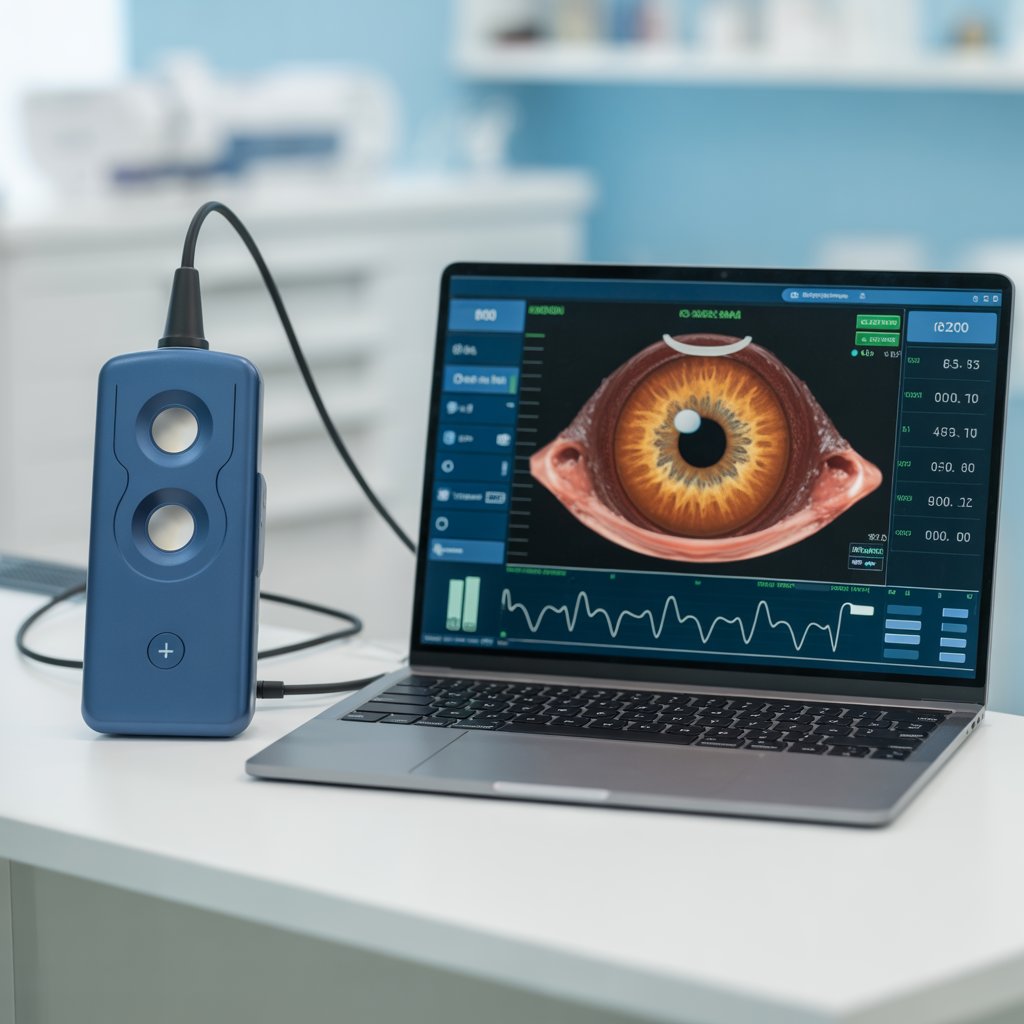
In the realm of medical technology, DGH A stands out as a pinnacle of innovation, transforming how eye care professionals conduct biometric measurements. This portable A-Scan device, developed by DGH Technology, integrates advanced ultrasound capabilities with user-friendly software, making it a game-changer for ophthalmology.
As we delve into 2026, DGH A embodies the digital future of healthcare, where portability meets precision to improve patient outcomes. Whether diagnosing cataracts or managing myopia, DGH A addresses key challenges in traditional eye exams, offering a seamless blend of hardware and digital systems.
DGH A exists to overcome the limitations of bulky, stationary equipment, providing clinicians with a tool that’s as mobile as it is accurate. It’s designed for real-world efficiency, reducing setup time and enhancing diagnostic reliability in diverse settings.
What is DGH A?
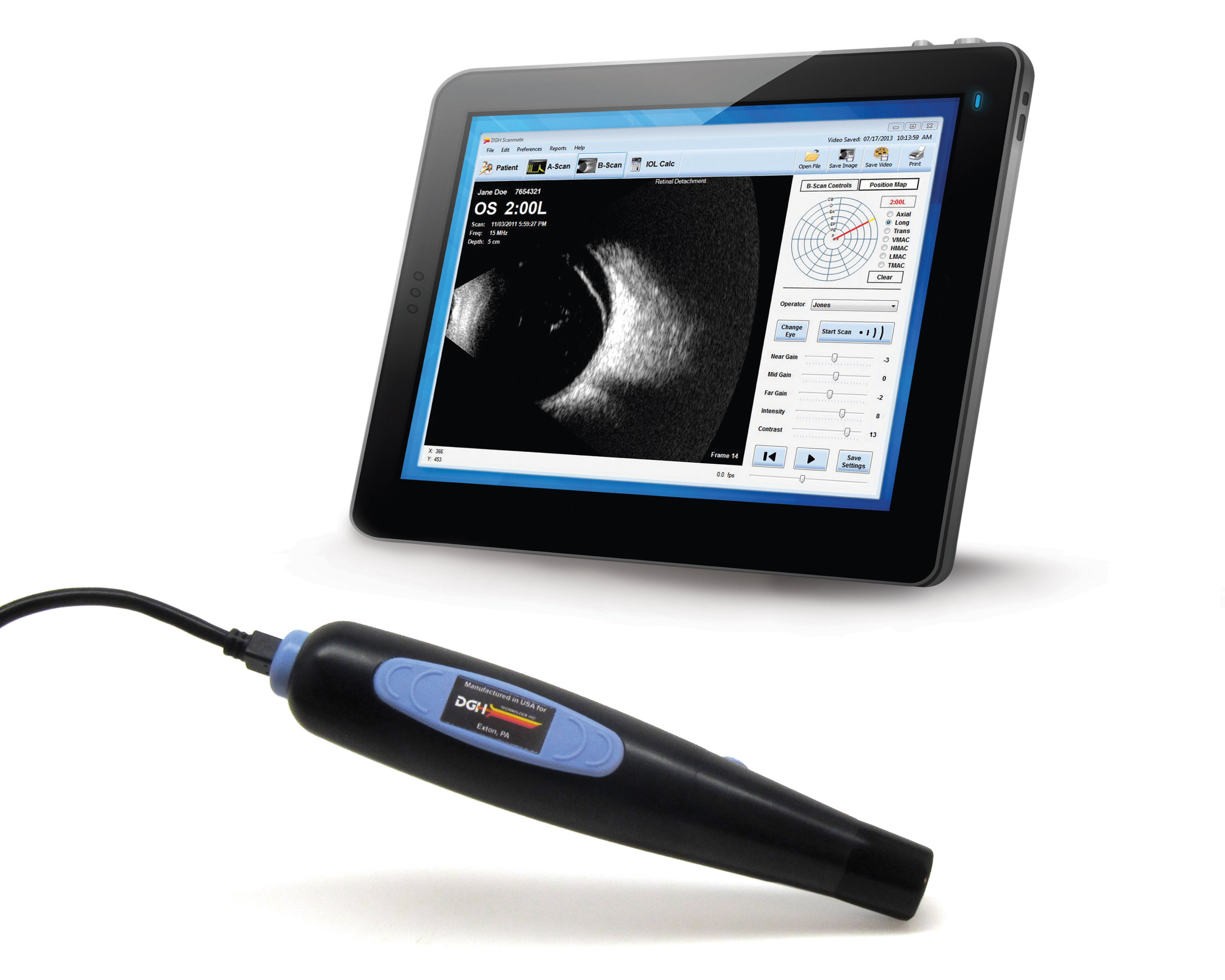
DGH A, officially known as the DGH 6000 Scanmate A, is a compact, USB-powered A-Scan ultrasound biometer used primarily in ophthalmology for measuring eye structures. It provides essential data like axial length (AL), anterior chamber depth (ACD), and lens thickness, crucial for intraocular lens (IOL) power calculations before cataract surgery.
Unlike traditional A-Scans, DGH A is ultra-portable, weighing less than a pound, and connects directly to a Windows computer via USB, eliminating the need for dedicated hardware.
This device represents a shift toward democratized eye care technology. By making high-precision biometry accessible outside specialized labs, DGH A empowers smaller clinics and mobile practitioners. Its software supports a database for patient records, report generation, and integration with electronic medical records (EMR), aligning with the push for digital health systems.
The Evolution of DGH A
DGH A evolved from earlier A-Scan technologies in the early 2000s, when DGH Technology focused on making ultrasound biometry more user-friendly. By the mid-2010s, portability became key, leading to the Scanmate series. The DGH 6000 model, launched around 2020, incorporated real-time feedback and immersion techniques to boost accuracy.
In recent years, updates have emphasized myopia management, with features for tracking axial length progression. As digital innovation surges in 2026, DGH A integrates with telehealth platforms, reflecting a broader trend toward connected medical devices.
How Does DGH A Work?
DGH A utilizes A-mode ultrasound to measure eye dimensions non-invasively. The probe emits high-frequency sound waves (10 MHz) that bounce off eye structures, creating echoes converted into distance measurements.
Here’s the step-by-step process:
- Setup: Connect the device to a computer via USB. Launch the software and enter patient details.
- Measurement Mode Selection: Choose contact (direct on cornea) or immersion (using Prager Shell with water) for compression-free scans.
- Probe Alignment: Use audible feedback and a 1-3 star grading system to optimize positioning. The software analyzes waveforms in real-time.
- Data Capture: Acquire multiple scans; the device locks out compressed readings in contact mode.
- IOL Calculation: Input refraction data; software applies formulas like Holladay 1 or Haigis to compute lens power.
- Reporting: Generate PDF reports or export to EMR.
This workflow ensures high repeatability, with standard deviation as low as ±0.03 mm in immersion mode.
Technical Deep Dive: Under the Hood
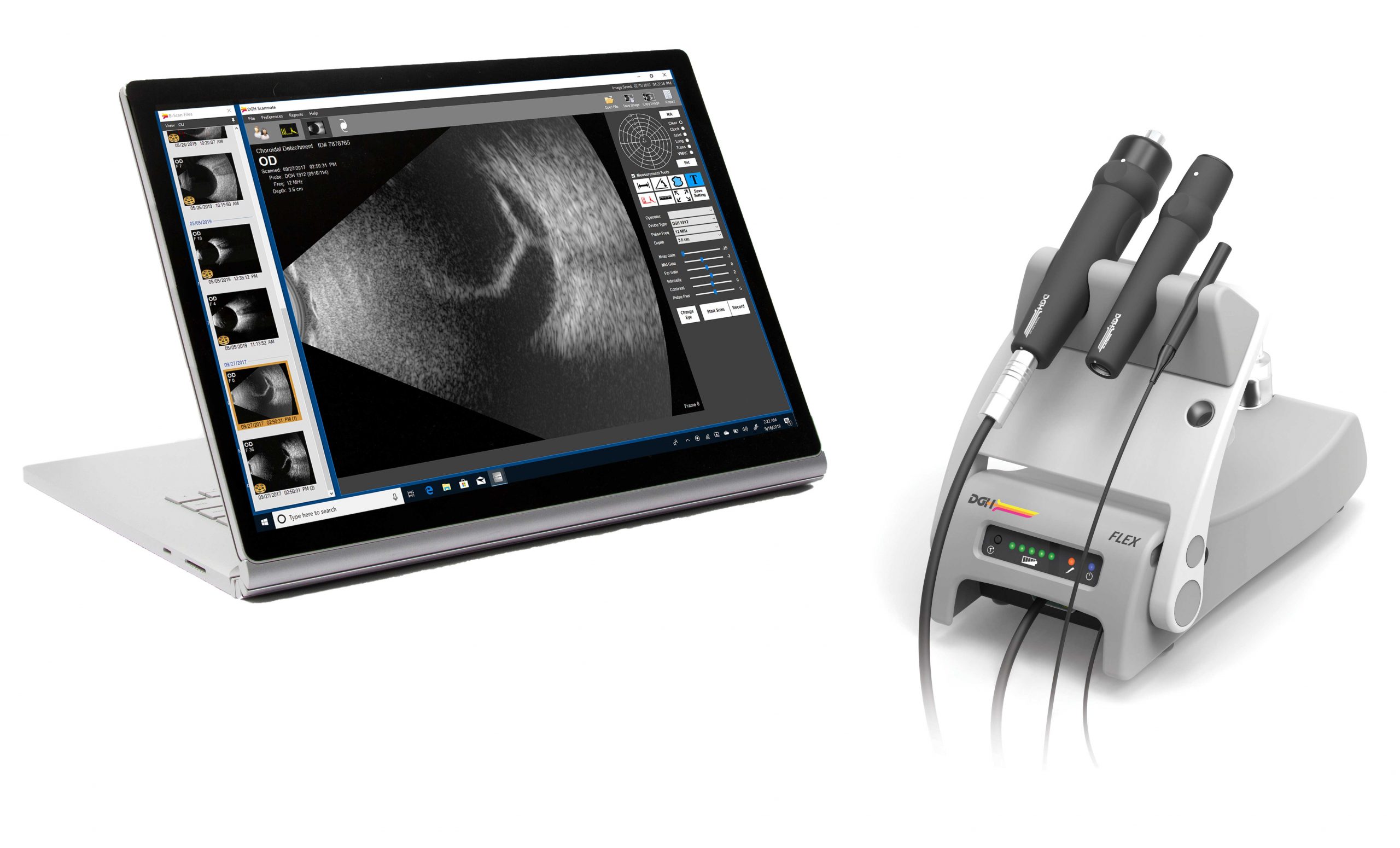
The core is a fixed single-element transducer operating at 10 MHz, providing 0.01 mm resolution. Software algorithms rank alignment and detect compression, using velocity configurations for different eye types (e.g., aphakic or silicone oil-filled).
Integration with digital systems allows video saving and database searches. As an expert in medical tech, I’ve noted how DGH A’s USB connectivity enables seamless data flow, unlike older serial port devices.
Key Features of DGH A
DGH A excels with features tailored for modern eye care:
- Portability: Compact (5.73” x 3.45” x 1.50”), under 1 lb, ideal for mobile use.
- Guidance System: Audible tones and star ratings for optimal scans.
- Immersion Capability: Prager Shell included for accurate, non-contact measurements.
- IOL Formulas: Supports 7 formulas, including post-refractive options.
- Myopia Management: Tracks axial length progression over time.
- Software Flexibility: Unlimited installations, EMR exports, customizable reports.
These make DGH A a versatile tool in digital health ecosystems.
The Technology Behind DGH A
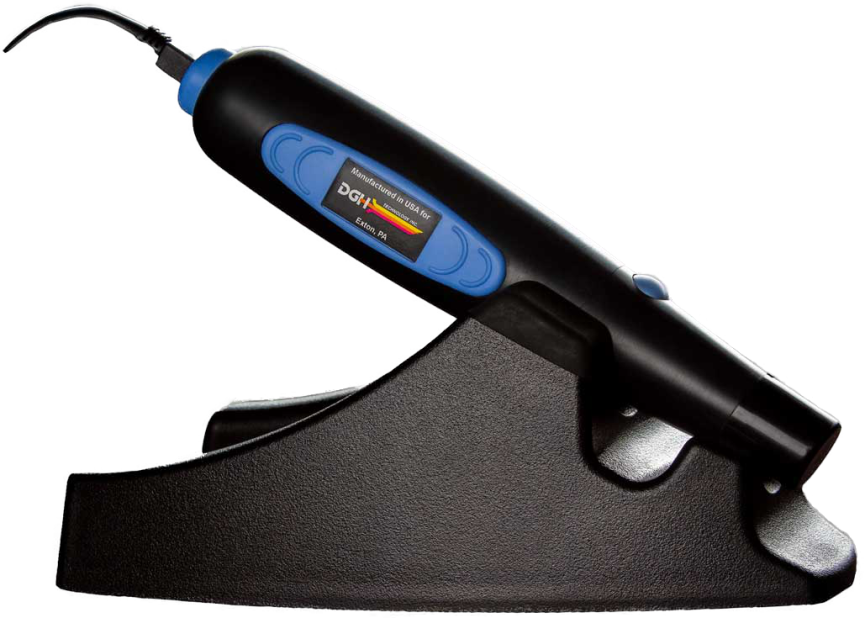
DGH A leverages ultrasound technology, where sound waves measure eye anatomy. The hardware is a pen-like probe with a transducer, connected via USB for power and data.
Software runs on Windows, using algorithms for waveform analysis and IOL predictions. No AI yet, but potential for integration exists. This contrasts with optical biometers, using light for measurements, but DGH A excels in dense cataracts where light can’t penetrate.
Real-World Applications and Modern Use Cases
DGH A is pivotal in:
- Cataract Surgery: Precise AL for IOL selection, reducing refractive errors.
- Myopia Control: Monitors progression in children, aiding orthokeratology.
- Glaucoma Management: Measures ACD for angle assessment.
- Teleophthalmology: Portable for remote clinics, data sharing via cloud.
A study showed strong repeatability in sitting/supine positions, valid against IOLMaster, though measuring shorter AL. In practice, I’ve seen it streamline workflows in busy clinics.

Benefits of Using DGH A
Advantages include:
- Accuracy: ±0.03 mm STDEV, reliable for surgery planning.
- Usability: Guidance features reduce errors.
- Portability: Enables point-of-care diagnostics.
- Cost-Effective: No dedicated console, multi-user software.
- Versatility: Handles various eye conditions.
These position DGH A as a reliable innovation in eye health.
Limitations and Potential Drawbacks
DGH A measures shorter AL/ACD than optical devices, requiring adjustments. Contact mode risks compression, though mitigated. Windows-only software limits OS compatibility. Safe with proper sterilization, but user training is key for reliability.
Comparisons with Other Solutions
| Feature | DGH A | IOLMaster (Optical) | Traditional A-Scan |
|---|---|---|---|
| Portability | High (USB) | Low | Low |
| Accuracy in Dense Cataracts | Excellent | Limited | Good |
| Measurement Time | Quick with Guidance | Fast | Variable |
| Cost | Affordable | High | Moderate |
| Integration | EMR Exports | Advanced | Basic |
DGH A outperforms traditional bulky A-Scans in mobility, similar to older ultrasound but with digital enhancements.
Future Potential and Innovations
Future updates may include AI for automated analysis and cloud integration for telehealth. As wearable tech rises, DGH A could evolve into handheld apps. Its role in global eye health, combating blindness, is promising.

FAQ
What is DGH A in technology?
DGH A is a portable A-Scan ultrasound biometer for precise eye measurements in ophthalmology.
How does DGH A work?
It uses ultrasound waves to measure eye structures, with software for IOL calculations and real-time feedback.
Is DGH A safe or reliable?
Yes, with high repeatability (±0.03 mm) and safety features like compression lockout; reliable for clinical use.
Who should use DGH A?
Ophthalmologists, optometrists, and clinics needing portable biometry for surgery or myopia management.
What are the latest updates or future developments?
2026 focuses on software enhancements; future may include AI and telehealth integration.
Common problems or misconceptions about DGH A?
Misconception: Less accurate than optical—it’s complementary. Issue: Shorter measurements, adjusted via formulas.
How is DGH A different from older solutions?
Portable, USB-powered with guidance, unlike bulky, less user-friendly traditional A-Scans.
Conclusion
DGH A revolutionizes eye care with its portable, precise ultrasound technology, solving key diagnostic challenges. It reinforces innovation in digital health, with potential for AI-driven advancements.
Tech users in medicine, consider DGH A for your practice—what eye health innovation will you adopt next?
Share this content:




Post Comment