Business Technology
ai navigation boats, autonomous boats helsinki, eco friendly boating technology, electric boating finland, electric marine propulsion, finnboat industry, finnish boat ride, finnish boating culture, helsinki archipelago boating, lake saimaa boating, recreational boating finland, smart boating technology, smart tourism finland, solar electric boats finland, sustainable boating finland, vene boat helsinki show, veneajelu, veneajelu culture, veneajelu finland, veneajelu lakes finland, veneajelu meaning, veneajelu tradition
novabiztech
0 Comments
Veneajelu: 7 Smart Technologies Transforming Finnish Boat Rides (2026)
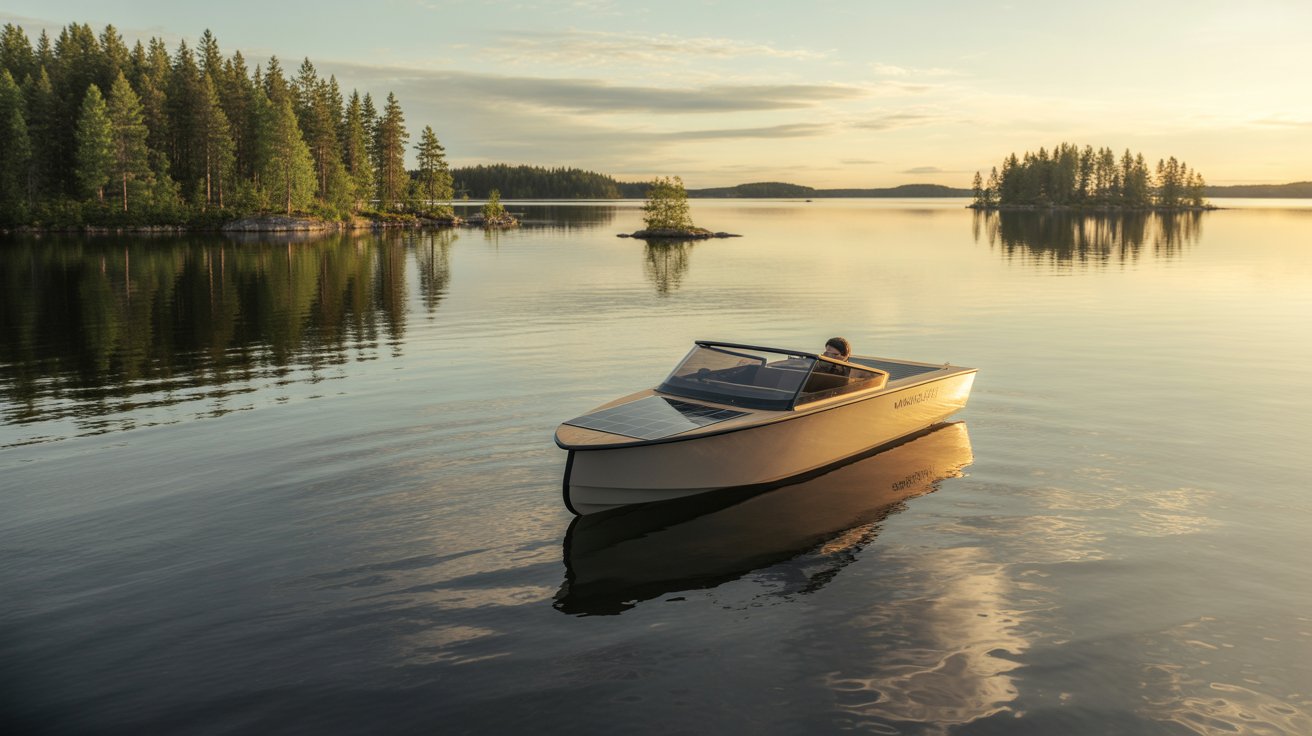
Veneajelu is the Finnish word for a leisurely boat ride. It combines “vene” (boat) and “ajelu” (a casual ride or outing). In practice, it means heading out on the water purely for enjoyment, relaxation, and connection with nature — not for getting from A to B quickly.
This tradition sits at the heart of Finnish boating culture. With nearly 188,000 lakes larger than 500 square meters and vast archipelagos, Finns have long embraced slow, peaceful moments on the water.
In 2026, veneajelu is no longer limited to traditional rowing or noisy outboards. Smart marine technology is quietly revolutionizing the experience. Electric propulsion, solar energy, AI route planning, and even autonomous vessels make Finnish boat rides safer, quieter, and far more sustainable.
Whether you are a first-time visitor exploring the Helsinki archipelago or a local on Lake Saimaa, modern innovations let you focus on the joy of the ride. This article explains what veneajelu really means today, how the technology works, its real benefits, and what the future holds for recreational boating in Finland.
What Is Veneajelu? A Deep Look at the Tradition
At its core, veneajelu is about slowing down. It is not a race or a commute. People take a veneajelu to picnic on a tiny island, listen to waves lapping against the hull, fish in silence, or simply enjoy the midnight sun.
Many visitors in the Helsinki archipelago say the same thing: an electric veneajelu feels different. Without constant engine noise, you hear seabirds clearly and notice subtle changes in the water. The experience becomes more mindful and restorative.
This cultural practice aligns perfectly with Finland’s emphasis on nature and well-being. Yet technology is now removing old barriers — skill level, weather worries, and environmental concerns — so more people can enjoy it.
The Evolution of Finnish Boat Rides: Tradition Meets Innovation
Finland’s landscape has always shaped its boating culture. The country has about 188,000 lakes and over 300,000 kilometers of shoreline. Boating is deeply woven into daily life and tourism.
For decades, veneajelu relied on rowing boats or small gasoline engines. These options worked for short trips but brought noise, fumes, and regular maintenance.
The shift accelerated in the 2010s with affordable electric outboards. By 2026, the Vene Båt Helsinki boat show showcases dozens of hybrid and solar models. Finland’s boating industry, represented by Finnboat, reports cautious growth in 2025–2026, with increasing interest in cleaner propulsion for smaller recreational craft.
Today, a typical Finnish boat ride can feel like stepping into a smart, floating ecosystem. The change honors the peaceful spirit of veneajelu while making it practical for modern users.
7 Key Technologies Transforming Veneajelu
Here are the seven innovations that are reshaping Finnish boat rides in 2026:
- Electric Propulsion Systems Quiet brushless motors and efficient batteries deliver smooth power with zero direct emissions. They provide instant torque and almost no vibration — ideal for relaxed veneajelu pacing.
- Solar Charging Integration Finnish company Elvene builds self-sustaining solar-electric boats in Jakobstad. Roof-mounted panels generate power throughout the day, enabling long outings with minimal or no shore charging. Some models have completed 200-nautical-mile journeys on sun and battery alone.
- AI Navigation and Route Optimization Onboard computers combine GPS, live weather feeds, and machine learning. The system suggests routes based on your goals — wildlife viewing, photography, or a safe sunset return — while avoiding shallow areas.
- Autonomous and Semi-Autonomous Boats Callboats in Helsinki operates app-summoned electric water taxis. These solar-charged vessels use lidar, cameras, and 5G for automatic navigation and docking. One remote operator can oversee multiple boats, cutting costs and addressing captain shortages.
- IoT Sensors and Real-Time Monitoring Connected sensors track battery levels, water depth, weather shifts, and even air quality. Instant phone alerts improve reliability, especially during Finland’s changeable summers.
- Smart Booking Platforms and Apps Mobile apps let you reserve a boat in seconds, choose themed experiences, and track your trip. Some platforms suggest boats based on group size or activity preferences.
- Advanced Safety Automation AI cameras detect man-overboard events, while dynamic positioning keeps the boat steady without damaging sensitive lake beds. Automatic beacons and remote monitoring add extra layers of protection.
These technologies integrate seamlessly, creating an intuitive experience rather than a gadget-filled one.
How Modern Veneajelu Works: A Practical Step-by-Step Guide
Getting started with a tech-enhanced Finnish boat ride is surprisingly simple:
- Open a local booking app and check availability near your location (Helsinki, Savonlinna, or Tampere regions have good coverage).
- Select your preferred duration and style — short family cruise, eco-tour, or fishing-focused outing.
- Board the electric or solar-assisted boat. Touchscreen interfaces are user-friendly.
- Let the system guide you. AI suggests routes while you relax and enjoy the scenery.
- Monitor progress on your phone. Sensors handle the details, and the boat returns safely.
The underlying mechanism is reliable: batteries power efficient motors, solar panels extend range, and cloud-connected AI adds intelligence. Regenerative features recapture energy when slowing down.
Users often report feeling more connected to nature. One common comment from Helsinki archipelago trips: the silence lets conversations flow naturally and heightens awareness of the surroundings.
Real-World Applications and Use Cases Across Finland
Family and Leisure Outings Parents love quiet electric boats because children can spot birds or cast lines without engine noise drowning everything out.
Helsinki Archipelago Tourism Callboats’ autonomous vessels make island hopping efficient and scenic. They reduce road pressure while offering a relaxing alternative to ferries.
Eco-Tourism and Sustainable Fishing Operators on Lake Saimaa use integrated sonar and track carbon savings per trip. This appeals to environmentally aware travelers.
Corporate Wellness and Team Events Companies book guided veneajelu sessions. Some add light augmented reality overlays showing local ecology or history.
Finland’s national watercraft register stood at around 247,000 boats in late 2025, with steady interest in smaller, cleaner options for recreational use. Electric adoption grows fastest in boats suited to calm veneajelu-style outings.
Key Benefits of Tech-Enhanced Veneajelu
Modern innovations deliver clear advantages:
- Sustainability — Electric and solar systems cut emissions dramatically, protecting Finland’s sensitive waterways.
- Accessibility — Beginners and international tourists can participate confidently thanks to automation.
- Safety — Real-time alerts and AI features reduce risks. Finnish authorities like Traficom track pleasure boating incidents, and modern aids help lower them.
- Enjoyment — Silence and smooth rides create space for relaxation and meaningful moments.
- Convenience — Apps and smart systems remove planning stress.
- Long-Term Value — Lower running costs benefit operators and users alike.
These gains make veneajelu more inclusive while staying true to its peaceful roots.
Limitations and Realistic Challenges
Progress comes with hurdles:
- Cold weather can reduce battery range, though improved insulation helps.
- Charging stations are growing but remain sparse in remote lake areas.
- Upfront costs for advanced boats are higher, though savings on fuel and maintenance accumulate.
- Regulations still require oversight for fully autonomous operation in many zones.
- Some users prefer traditional simplicity and need time to trust apps.
Finnish manufacturers and events like Vene Båt Helsinki continue addressing these through better materials, faster charging, and hybrid options.
Traditional vs. Modern Veneajelu: Side-by-Side Comparison
| Feature | Traditional Veneajelu | Tech-Enhanced Veneajelu (2026) | Primary Benefit |
|---|---|---|---|
| Propulsion | Rowing or gasoline engine | Electric motors + solar assist | Quiet, emission-free operation |
| Navigation | Local knowledge + basic maps | AI-optimized GPS with live data | Safer, personalized routing |
| Booking | Phone or direct contact | Instant mobile apps | Greater convenience |
| Safety | Life jackets + experience | AI detection + IoT alerts | Lower risk for all skill levels |
| Environmental Impact | Higher noise and emissions | Minimal footprint | Better protection of Finnish waters |
| Accessibility | Requires boating skills | Beginner-friendly automation | Open to wider audiences |
Many enthusiasts mix both approaches — rowing for exercise, then switching to electric for longer, relaxed legs.
Future Potential: The Next Chapter for Finnish Boating Culture
By 2030 and beyond, veneajelu could feature conversational AI captains, augmented reality underwater views, and coordinated groups of autonomous boats. Expanded 5G and blockchain for transparent carbon tracking are also on the horizon.
Finland’s marine innovation ecosystem — highlighted every year at Vene Båt Helsinki — keeps the country at the forefront of sustainable recreational boating. Electric boats in Finland are gaining traction, especially for low-impact, nature-focused activities.
The goal remains balanced: technology should enhance, not replace, the quiet connection to water and landscape that defines veneajelu.
FAQ About Veneajelu
What does veneajelu mean? Veneajelu is the Finnish term for a relaxing boat ride taken for enjoyment, exploration, and connection with nature rather than transportation.
How does modern veneajelu work? You book via app, board an electric or solar-powered boat, and let smart systems handle navigation and safety while you enjoy the scenery.
Is veneajelu safe with new technology? Yes. AI collision avoidance, real-time sensors, and automated features often make tech-enhanced rides safer than traditional ones. Operators follow strict Finnish standards.
Who should experience veneajelu? Families, tourists, beginners, anglers, and wellness seekers. Technology lowers the skill barrier while preserving the peaceful atmosphere.
What are the latest developments in 2026? Solar-electric boats from Elvene, autonomous water taxis by Callboats in Helsinki, and wider AI tools at the Vene Båt show are leading progress.
Are there common misconceptions? Many think veneajelu requires expert skills or is noisy and polluting. Modern versions are accessible, quiet, and eco-friendly. The serene experience often feels even more authentic.
How does it differ from older boating? Traditional rides depended on manual effort or fossil fuels. Today’s veneajelu uses clean energy and intelligent systems for better comfort, safety, and sustainability.
Conclusion: Why Veneajelu Matters in the Digital Age
Veneajelu beautifully shows how innovation can refresh a beloved cultural tradition. Electric boats, solar power, AI navigation, autonomous features, and supporting digital tools make Finnish boat rides more inclusive, sustainable, and enjoyable.
These advancements solve real challenges — reducing environmental impact, improving safety, and opening the experience to newcomers — while protecting the slow, nature-focused spirit that makes veneajelu special.
In 2026, a veneajelu on the Helsinki archipelago or Lake Saimaa offers the perfect blend of timeless Finnish boating culture and forward-looking smart technology. It proves that the future of leisure can be both intelligent and deeply restorative.
Ready to try it? Search for local operators or download a booking app. Your next peaceful boat ride — powered by thoughtful innovation — awaits on Finland’s beautiful waters.
Author: tom – Marine Technology Researcher and Travel Writer specializing in sustainable mobility and smart tourism systems. This piece draws on insights from Finnboat industry reports, operator data from Callboats and Elvene, Traficom statistics, and direct observations from Finnish waterways.
Share this content:




Post Comment