Business Technology
eco friendly travel stays, eco tourism glamping, glamping accommodation trends, glamping business model, glamping business opportunities, glamping economy, glamping future trends, glamping industry growth, glamping investment opportunities, glamping market analysis, glamping startup guide, glamping tourism trends, luxury camping experience, luxury camping market, luxury outdoor hospitality, nature based tourism, nature tourism industry, outdoor hospitality business, premium camping resorts, sustainable tourism travel
novabiztech
0 Comments
Glamping Economy 2026: Market Growth, Trends & Business Opportunities
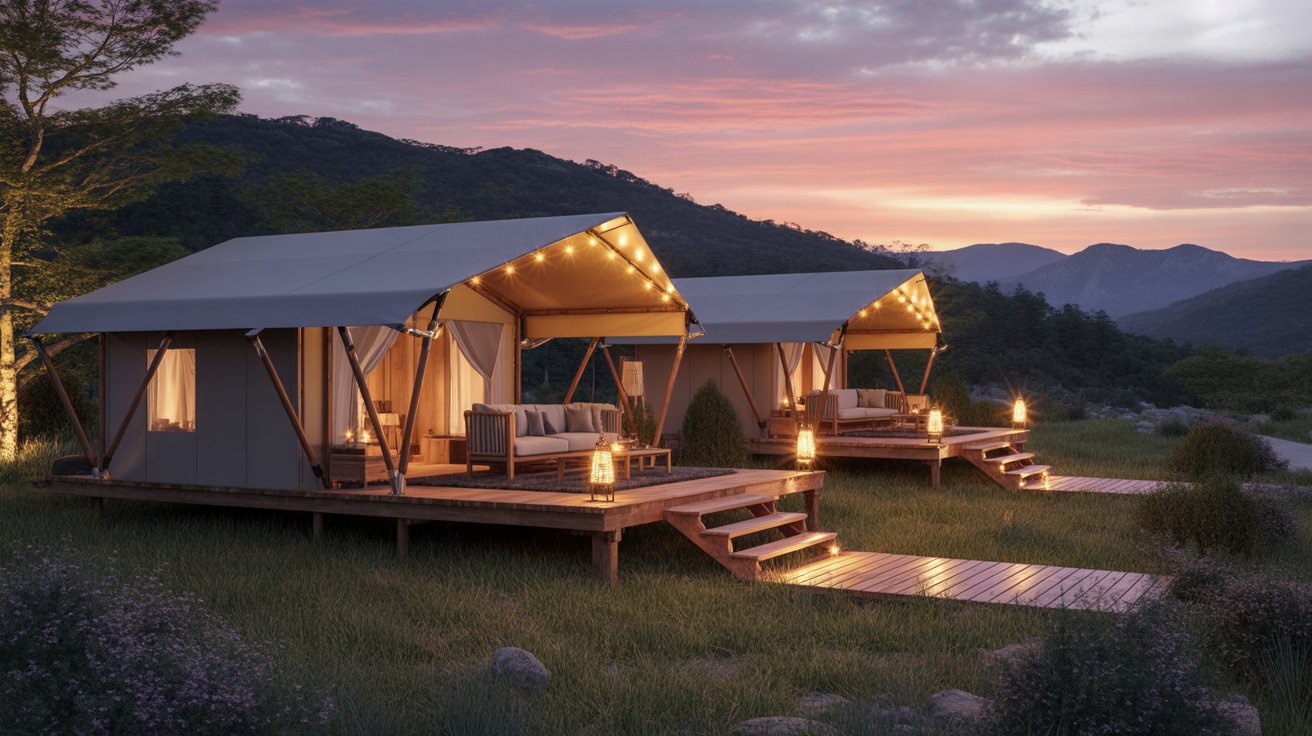
What Is the Glamping Economy?
The glamping economy blends luxury hospitality with immersive nature experiences, creating a high-value segment in outdoor tourism. Guests enjoy premium accommodations — such as spacious tents with king beds, private en-suite bathrooms, climate control, and curated activities — set in scenic locations, all while supporting eco-tourism trends and local economies.
This sector goes beyond simple stays. It includes operators, suppliers, technology platforms, and destination developers, generating premium nightly rates ($150–$500+) and diversified revenue streams. The glamping economy appeals strongly to millennials, Gen Z, and affluent families seeking comfort without compromising on adventure or sustainability.
Glamping Economy Definition The glamping economy is the rapidly expanding luxury camping sector that combines upscale amenities with nature-based travel. According to Grand View Research, the global market reached USD 3.79 billion in 2025 and is projected to hit USD 7.87 billion by 2033, growing at a CAGR of 9.5% from 2026 onward. This growth reflects strong demand for experiential, low-density travel aligned with sustainable tourism preferences.
This 2026-updated guide examines the glamping economy in depth: its drivers, trends, business models, investment potential, practical startup steps, challenges, and future outlook. It delivers actionable insights for entrepreneurs, investors, and travelers.
What Is Glamping?
Glamping, short for glamorous camping, elevates traditional outdoor stays with hotel-level comforts. Guests relax in plush bedding, enjoy private facilities, reliable Wi-Fi, and experiences like sunrise yoga, stargazing, or private chef dinners — all surrounded by nature.
Common accommodation types include:
- Safari tents and luxury canvas lodges
- Geodesic domes and modern pods (increasingly popular for year-round use)
- Elevated treehouses and cabins
- Yurts, shepherd’s huts, and unique units like retro Airstreams
This format aligns with shifting camping market trends, where comfort and convenience attract demographics who might otherwise choose resorts but desire authentic outdoor connections.
Understanding the Glamping Economy Ecosystem
The glamping economy forms a complete value chain:
- Boutique and branded accommodation providers
- Manufacturers of tents, domes, furnishings, and sustainable tech
- Booking platforms and property management systems
- Local tour operators, dining, and activity partners
- Investors and developers viewing glamping as a scalable, resilient asset
Major hotel brands have accelerated mainstream adoption through partnerships and acquisitions (e.g., Hyatt with Under Canvas, Hilton with AutoCamp, Marriott with Postcard Cabins). This integration boosts credibility and expands reach within the outdoor hospitality business.
The ecosystem supports sustainable tourism by directing revenue to rural and protected areas while encouraging low-impact, regenerative practices.
Growth of the Glamping Industry
Glamping industry growth remains robust in 2026. Grand View Research reports the global market at USD 3.79 billion in 2025, expected to reach USD 7.87 billion by 2033 at a 9.5% CAGR from 2026.
North America shows even stronger momentum. The region generated USD 993.2 million in 2025 and is forecast to grow at a CAGR of 11.7–12.9%, reaching approximately USD 2.4–2.6 billion by 2033. The U.S. alone stood at roughly USD 829 million in 2025, with projections toward USD 2.055 billion by 2033 at an 11.9% CAGR.
Primary drivers include:
- Post-pandemic demand for safe, outdoor, experiential travel
- Remote work enabling longer “workations” in nature
- Social media amplifying aspirational glamping visuals
- Rising consumer emphasis on wellness and eco-tourism trends
![Glamping market growth chart 2026-2033 showing global expansion of the glamping economy]
Key Market Trends Shaping the Glamping Economy
Several glamping market trends define the sector in 2026 and beyond:
- Regenerative sustainability: Sites using solar power, composting systems, and ecosystem-restoring practices. Eco-certified properties command 20–30% price premiums.
- Wellness focus: Yoga pavilions, forest bathing, sound healing, and digital detox packages.
- Permanent and hybrid structures: Cabins and pods gaining share (over 43% in recent data) for durability and year-round appeal.
- Technology integration: App-based controls, contactless check-in, and personalized experiences.
- Experiential revenue: Add-ons like private dining, cultural tours, e-bike rentals, and adventure activities that boost per-guest spend.
- Branded consistency: Hotel chain involvement provides loyalty programs and operational expertise.
These trends strengthen the glamping business model by extending seasons, raising occupancy, and differentiating offerings in the competitive luxury camping market.
Business Models in the Glamping Economy
Operators typically adopt one of these proven models:
- Boutique independent sites (4–25 units): Emphasize unique themes, personalization, and direct bookings through strong digital marketing.
- Branded or scaled resorts: Leverage hotel affiliations for instant trust, centralized reservations, and larger scale.
- Upgrades to existing campgrounds: Traditional sites add glamping units to attract premium guests and diversify income.
Revenue extends beyond accommodation to meals, activities, gear rentals, and merchandise — often accounting for 30–40% of total earnings.
Glamping vs Traditional Camping
| Aspect | Glamping | Traditional Camping |
|---|---|---|
| Nightly Rate | $150–$500+ | $20–$80 |
| Target Audience | Affluent travelers, remote workers, families | Budget adventurers, purists |
| Amenities | Private baths, luxury bedding, Wi-Fi, climate control | Basic pitch, shared or minimal facilities |
| Seasonality | Improved year-round potential with proper design | Highly weather-dependent |
| Setup Cost per Unit | $10,000–$50,000+ | Minimal |
| Typical Margins | 40–60% possible with efficient operations | Generally lower |
| Environmental Focus | High potential for regenerative practices | Lower upfront impact but requires management |
Investment Opportunities in the Glamping Economy
The glamping economy attracts investors with relatively lower land intensity than traditional hotels, faster deployment timelines, premium pricing, and alignment with experiential travel demand. High margins and the ability to begin small and scale make it suitable for both solo entrepreneurs and institutional capital. Private equity increasingly sees glamping as a durable, inflation-hedged asset class.
Impact on the Tourism Industry
Glamping reshapes outdoor hospitality business by:
- Extending tourism seasons in rural destinations
- Increasing per-visitor spending and supporting local economies
- Generating sustainable revenue models that aid conservation
- Expanding the overall nature-based tourism market by bridging budget camping and luxury resorts
It aligns with global sustainable tourism objectives and helps manage visitor distribution away from overcrowded areas.
How to Start a Glamping Business: Step-by-Step Guide
Success in the glamping economy starts with structured planning:
- Market research and site selection — Target high-demand areas near national parks, beaches, or scenic routes. Analyze competitor data and demand.
- Business planning — Define your niche, target audience, unique experiences, and realistic financial projections.
- Permits and compliance — Address zoning, health/safety, and environmental regulations (often 6–18 months).
- Site development — Invest in quality, sustainable structures, utilities (solar preferred), and infrastructure.
- Marketing and operations — Optimize SEO for terms like “glamping near [location]”, use professional photography, implement booking software, and train staff for exceptional service.
- Sustainability integration — Pursue certifications to attract eco-conscious guests.
Sample Cost Breakdown & ROI for a Small 4-Unit Boutique Site (Approximate — varies significantly by location and scale)
| Category | Estimated Cost (USD) | Notes |
|---|---|---|
| Land (lease/purchase) | $50,000–$250,000 | Location-dependent |
| Structures & Furnishings | $40,000–$200,000 | $10K–$50K+ per luxury unit |
| Utilities & Infrastructure | $30,000–$100,000 | Solar, septic, roads |
| Permits, Legal & Initial Marketing | $15,000–$50,000 | Includes website and launch |
| Total Startup | $135,000–$600,000 | Scalable; many start smaller |
| Potential Annual Revenue (65% occupancy, $250 ADR) | ~$237,000+ | 4 units |
| Typical ROI Timeline | 3–5 years | Faster with high direct bookings |
Many operators report strong returns when prioritizing direct bookings, outstanding guest experiences, and operational efficiency. Some small-scale projects achieve payback in as little as 5–6 months in prime locations with optimized marketing.
Practical Tips for Success:
- Target 50–60%+ direct bookings to reduce platform commissions.
- Emphasize authentic local experiences and verified sustainability.
- Invest in high-quality visuals and targeted digital marketing.
- Monitor guest feedback and adapt offerings continuously.
- Diversify with off-season wellness retreats or corporate events.
Challenges and Risks in the Glamping Economy
The sector faces several hurdles:
- Seasonality and weather dependency (addressed via climate-controlled units and varied programming)
- Regulatory and permitting delays
- Upfront capital needs and access to suitable financing
- Rising competition requiring clear differentiation
- Supply chain issues and rural labor shortages
- Environmental scrutiny if sites are poorly managed
Proactive operators mitigate these through detailed planning, strong partnerships, and adaptive strategies.
Future of the Glamping Economy
Into 2030 and beyond, the glamping economy will likely emphasize regenerative tourism, AI-driven personalization, expansion into emerging markets, and tighter integration with wellness and sustainability goals. Its proven resilience and alignment with modern traveler priorities position it for sustained growth in the luxury camping market and broader sustainable tourism landscape.
Glamping Business Plan Checklist (Quick Template)
- Executive summary and unique vision
- Thorough market and competitor analysis
- Site selection and development roadmap
- Operations, staffing, and sustainability protocols
- Marketing and sales channel strategy
- Detailed 3–5 year financials (revenue, expenses, cash flow, break-even)
- Risk assessment and contingency measures
Treat this as a living document and review it regularly.
![Cozy luxury glamping tent interior with premium amenities representing the glamping economy experience]
Frequently Asked Questions About the Glamping Economy
What is the glamping economy? It is the ecosystem built around luxury camping that merges upscale amenities with nature immersion, creating significant revenue opportunities in outdoor hospitality.
Why is glamping becoming so popular? Key factors include demand for unique comfortable outdoor experiences, remote work flexibility, social media inspiration, and growing interest in sustainable wellness travel.
Is glamping profitable? Yes. Well-managed sites can achieve attractive margins (often 40–60%) and ROI within 3–5 years through premium pricing and diversified add-on revenue.
How do I start a glamping business? Perform market research, secure suitable land and permits, invest in quality sustainable accommodations, build a strong online presence, and focus on exceptional guest experiences plus eco-practices.
What are the current key trends in the glamping economy? Regenerative sustainability, wellness integration, permanent cabin/pod structures, technology personalization, and year-round experiential offerings dominate.
How does the glamping economy impact local tourism? It extends seasons, increases visitor spending, supports rural economies, and promotes conservation through responsible, revenue-generating models.
What are the main risks in the glamping industry? Seasonality, regulatory delays, competition, and initial capital requirements. These can be managed with diversification, professional planning, and strong operations.
Conclusion
The glamping economy stands as a dynamic evolution in travel and hospitality, successfully combining nature, luxury, and sustainability. With solid market growth projected through 2033, favorable trends in experiential and eco-tourism, and clear paths to profitable operations, it presents substantial opportunities for entrepreneurs, investors, and destination stakeholders.
Actionable Takeaways for 2026 and Beyond:
- Prioritize prime locations, genuine sustainability, and memorable guest experiences.
- Emphasize direct bookings and multiple revenue streams.
- Leverage technology for efficiency and personalization.
- Plan carefully for regulations, seasonality, and long-term resilience.
By following these principles, participants in the glamping economy can develop successful, future-proof businesses that deliver exceptional value to guests while benefiting communities and the environment.
Author Bio
Written by tom, Travel Industry Analyst and Sustainable Tourism Researcher with over 8 years analyzing outdoor hospitality trends and investment opportunities in experiential travel markets.
Share this content:




Post Comment