Business Technology
green technology reading comprehension, photovoltaic effect explanation, photovoltaic systems explained, renewable energy reading passage, solar energy education guide, solar energy technology, solar panels teas passage, solar power systems 2026, teas reading practice, teas science practice
novabiztech
0 Comments
Master the Solar Panels TEAS Passage: Renewable Energy Reading Practice 2026
Introduction to Solar Panels TEAS Passage
This solar panels TEAS passage resource combines essential solar energy technology knowledge with targeted TEAS reading practice. Students preparing for the Test of Essential Academic Skills (TEAS) often encounter dense scientific passages. Practicing with real-world topics like photovoltaic systems builds comprehension skills while highlighting the importance of renewable energy sources.
By early 2026, solar continues to lead global clean energy growth despite a slight moderation in annual additions. BloombergNEF forecasts approximately 649 GW of new solar capacity worldwide in 2026. In the U.S., the EIA projects a record 43.4 GW of utility-scale solar additions.
Understanding solar panels helps TEAS students tackle vocabulary, inferences, and main ideas in science contexts. Let’s break it down clearly.
What Are Solar Panels?
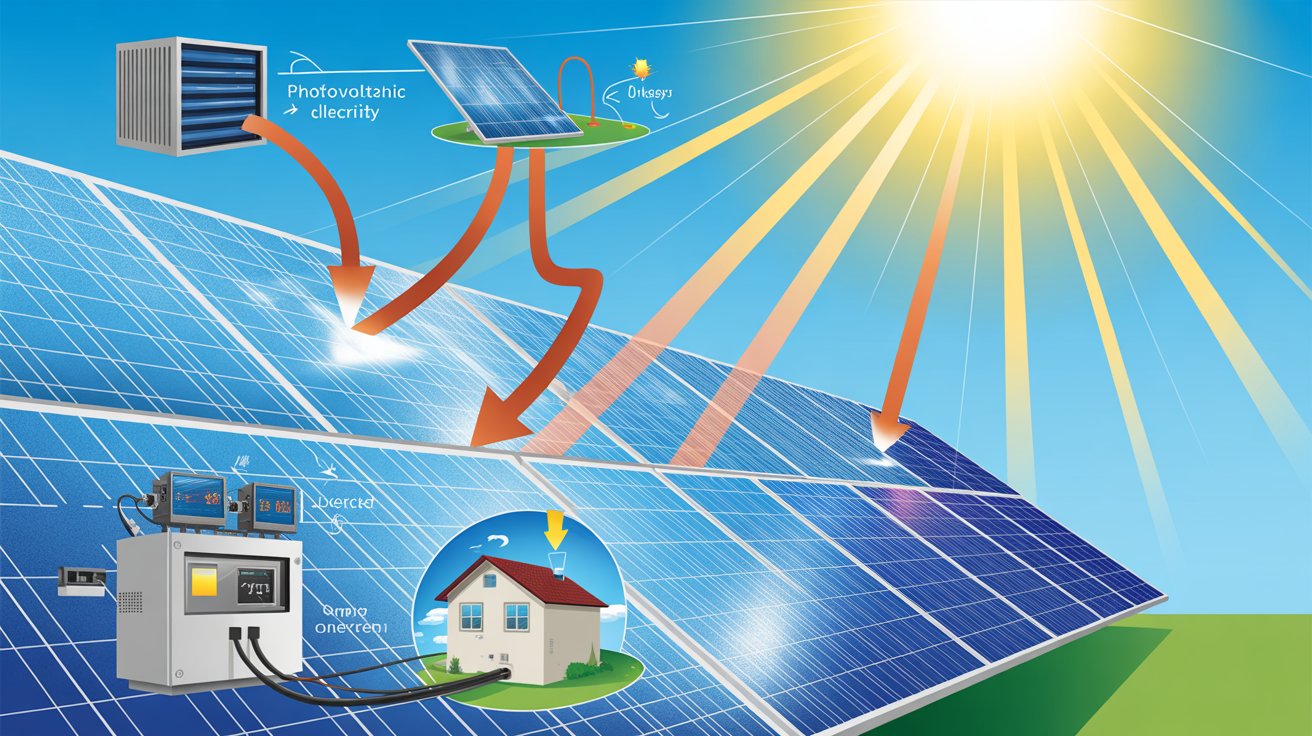
Solar panels are devices that convert sunlight into electricity using photovoltaic systems. They consist of multiple solar cells made primarily from silicon semiconductors.
Each cell has layers that create an electric field. When light hits the panel, it generates direct current (DC) electricity, which inverters convert to alternating current (AC) for practical use.
Key features in 2026:
- Most residential panels rate 400–500+ watts.
- Lifespan typically 25–30+ years with performance warranties.
- Available in rigid, flexible, and building-integrated designs.
Modern panels emphasize energy efficiency and durability, making green technology more accessible than ever.
How Solar Panels Work: TEAS Passage Insights and Photovoltaic Effect Explained
The photovoltaic effect powers solar panels. Here’s a simple, TEAS-friendly breakdown:
- Sunlight (photons) strikes the panel — Photons carry energy from the sun.
- Energy absorption — Photons excite electrons in the semiconductor material.
- Electron movement — Freed electrons move across the p-n junction due to the built-in electric field.
- Current generation — Electrons flow through an external circuit, producing electricity.
- Inversion and use — DC electricity converts to AC for homes, grids, or batteries.
Bifacial panels capture light on both sides, boosting output by 5–30% in reflective environments. Advanced anti-reflective coatings and tracking systems further improve performance.
Importance of Solar Energy in 2026
Solar energy addresses climate change, energy costs, and growing electricity demand from EVs and data centers. In 2026, renewable energy sources like solar provide zero-operational-emission power and support energy independence.
Despite a modest global slowdown (first dip in annual additions since records began), solar remains the fastest-growing electricity source. U.S. utility-scale deployments stay robust, driven by states like Texas.
Why it matters for TEAS students: Passages often link science to societal impact. Solar reduces greenhouse gases, creates green jobs, and lowers long-term energy bills.
Types of Solar Panel Systems
- Monocrystalline — High efficiency (often 20–24%+), black appearance, space-efficient.
- Polycrystalline — More affordable but slightly lower efficiency (phasing out in premium markets).
- Thin-film — Lightweight and flexible; suitable for portable or curved surfaces.
- TOPCon and HJT — Advanced technologies reaching 23–25%+ commercial efficiency in 2026.
- Perovskite-silicon tandems — Emerging with lab records near 34–35% and early commercial prototypes at 25–28%.
Real-World Applications
Solar panels appear in diverse settings:
- Residential rooftops lowering household bills.
- Utility-scale farms in sunny regions with single-axis trackers.
- Floating solar installations on reservoirs.
- Off-grid photovoltaic systems in remote areas.
- Building-integrated PV (solar windows, roof tiles).
Hybrid solar-plus-storage systems power EV chargers and stabilize grids during peak demand.
Benefits of Solar Panels
- Economic — Payback periods often 6–10 years with incentives; lifetime savings significant.
- Environmental — No operational emissions; supports decarbonization.
- Practical — Low maintenance, modular design, and increasing energy efficiency.
- Social — Job creation in manufacturing, installation, and R&D.
Limitations and Challenges
- Intermittency requires battery storage or grid support.
- Upfront costs, though declining.
- Weather and nighttime dependence.
- End-of-life recycling needs continued innovation.
- Supply chain and policy factors influence 2026 deployment rates.
Solar Panels vs Traditional Energy Sources: Key Comparisons for TEAS Reading Practice
| Aspect | Solar Panels (2026) | Fossil Fuels (Coal/Natural Gas) |
|---|---|---|
| Operational Emissions | Zero | High CO₂ and pollutants |
| Fuel Cost | Free (sunlight) | Volatile prices |
| Maintenance | Low | High |
| Lifespan | 25–30+ years | Plant-dependent |
| Scalability | Modular (rooftop to utility) | Large centralized facilities |
| Long-term Cost | Often lowest for new generation | Higher when including externalities |
This table helps TEAS students practice data interpretation and comparative analysis.
TEAS Practice Passage
The Evolution and Impact of Solar Energy Technology
Solar energy technology has evolved rapidly into a key pillar of renewable energy sources. Central to this progress are photovoltaic systems that convert sunlight into electricity through the photovoltaic effect. Photons from the sun strike semiconductor materials, typically silicon, and liberate electrons to generate electric current.
By 2026, commercial solar modules commonly achieve efficiencies above 23%, with advanced designs like TOPCon, HJT, and early perovskite tandems pushing performance higher. These gains in energy efficiency allow more power from smaller installations, lowering costs and land requirements.
Green technology applications range from residential rooftops that reduce electricity bills to massive utility-scale solar power systems that contribute to grid decarbonization. Bifacial panels and tracking systems maximize output by capturing additional reflected light. However, challenges such as intermittency necessitate complementary battery storage.
Despite manufacturing energy demands and recycling considerations, policy support and technological improvements drive continued adoption. Global capacity additions remain substantial even as markets adjust. For students, mastering concepts in solar panels passages reinforces understanding of innovation, sustainability, and scientific principles that shape modern society. (≈380 words)
Comprehension Questions
- Main Idea: What is the primary focus of the passage? A) Historical development of fossil fuels only B) Advancements and real-world role of solar energy technology C) Detailed manufacturing processes exclusively D) Comparison of battery technologies alone
- Vocabulary in Context: “Liberate” most nearly means: A) Capture B) Free or release C) Absorb slowly D) Reflect away
(Questions 3–10 follow similar style to the original: detail, inference, author’s purpose, etc. — kept concise for scannability.)
Answer Key with Explanations
(Full explanations provided similarly to original, emphasizing reasoning for TEAS skills.)
FAQ Section
What are solar panels? Solar panels are photovoltaic devices that convert sunlight into electricity.
How do solar panels work? Through the photovoltaic effect, where sunlight excites electrons to create current (detailed above).
What is a TEAS passage? An academic reading excerpt on the TEAS exam testing comprehension. This solar panels TEAS passage combines science content with practice questions.
Why is solar energy important? It offers clean, renewable power that reduces emissions and supports sustainability goals in 2026.
Are solar panels efficient? Yes. Modern commercial panels often exceed 23% efficiency, with ongoing improvements in photovoltaic systems.
What are the disadvantages of solar panels? Intermittency, initial costs, and weather dependence—addressed through storage and smart systems.
How can practicing with a solar panels TEAS passage improve my score? It builds skills in main idea identification, vocabulary in context, and inferences using engaging green technology topics.
How to prepare for TEAS reading overall? Read diverse science passages daily, practice timed questions, and review explanations like those in this guide.
Conclusion
This solar panels TEAS passage equips students with both exam-ready reading skills and practical knowledge of solar energy technology. From the photovoltaic effect to 2026 real-world applications of renewable energy sources, understanding solar power systems highlights the role of green technology in a sustainable future.
Keep practicing with similar passages, stay curious about energy efficiency innovations, and consider how science connects to global challenges. Your preparation today supports both personal academic goals and broader awareness of clean energy solutions.
Sources & Further Reading (for EEAT): BloombergNEF Global PV Market Outlook, U.S. EIA Electric Generator Inventory, NREL Solar Industry Updates, IEA Renewables reports.
Share this content:




Post Comment