Business Technology
acrylic solid surface composite, acrylic surface countertops, advanced acrylic composites, akrylika, akrylika material, architectural solid surface materials, industrial design materials, PMMA acrylic material, polymer technology materials, thermoformable acrylic surfaces
novabiztech
0 Comments
Akrylika : Advanced Acrylic Solid Surface for Designers & Engineers 2026
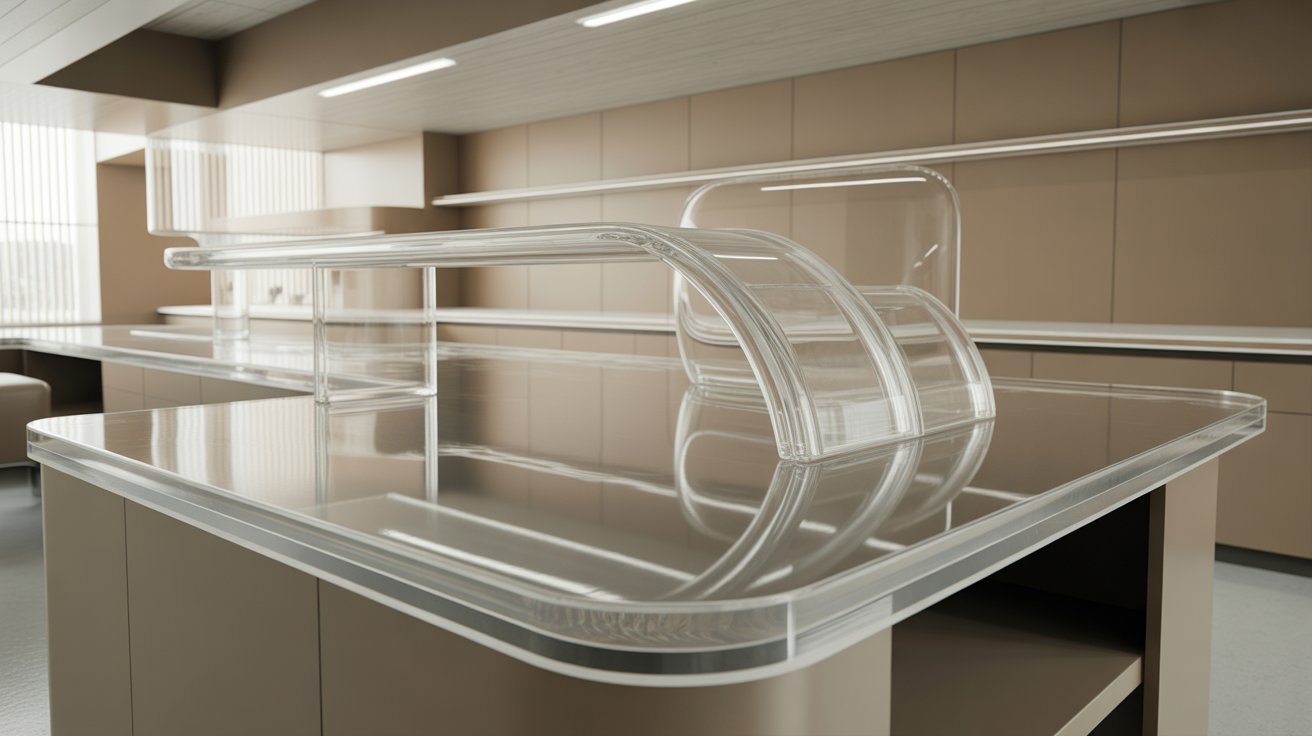
In the rapidly evolving field of materials science and industrial design, advanced acrylic composites are gaining prominence for their versatility and performance. Akrylika, a premium solid surface material produced by Akrilika Holding, represents a practical example of this innovation. As we progress through 2025–2026, engineers and designers seek materials that balance aesthetics, durability, and sustainability.
This guide examines akrylika from technical, manufacturing, and application perspectives, focusing on polymer technology, real-world performance, and forward-looking trends in lightweight composites and transparent materials.
What Is Akrylika?
Akrylika is a high-performance solid surface composite primarily composed of acrylic resin (PMMA — polymethyl methacrylate) and mineral fillers such as aluminum trihydrate (ATH). Manufactured by the international Akrilika Holding Company, it creates non-porous, seamless surfaces suitable for demanding architectural and product design environments.
Unlike standard acrylic sheets, this material is engineered for thermoforming, seamless joining, and on-site repair. It is available in multiple collections, including stone-like and design-oriented palettes with over 150 color options. It addresses common challenges with traditional surfaces, such as weight, maintenance, and fabrication limitations.
The Science Behind Acrylic Materials
Acrylic materials, centered on PMMA, deliver exceptional optical clarity (light transmission often exceeding 92%), UV resistance, and dimensional stability. In solid surface formulations like akrylika, the resin is combined with mineral fillers to enhance hardness, flame retardancy, and thermal properties while preserving workability.
Core principles include:
- Free-radical polymerization of methyl methacrylate monomers to form long polymer chains.
- Incorporation of ATH particles (typically 60-70% by weight) for improved heat dissipation and scratch resistance.
- Controlled cross-linking during curing to enable thermoforming without compromising structural integrity.
Engineering insight: Higher mineral content boosts heat deflection temperature but can reduce flexibility — always verify specifications against project thermal loads.
Manufacturing Process of Akrylika
Production follows a controlled, scalable process:
- Precise mixing of PMMA resin, ATH filler, pigments, and catalysts under vacuum to remove air inclusions.
- Casting the slurry into molds for flat sheets or integrated shapes (such as sinks).
- Heat curing (typically 60–120°C) to complete polymerization and form a homogeneous solid.
- Demolding, trimming, sanding, and polishing to achieve desired finishes (gloss or matte).
- Rigorous quality testing per ISO and ISFA standards for consistency.
Modern facilities increasingly incorporate automated monitoring to minimize variability. Thicknesses commonly range from 6 mm to 30 mm, supporting diverse applications in industrial design materials.
Key Properties and Features
This acrylic solid surface offers a compelling mix of characteristics:
- Aesthetics and optics: Seamless joints, wide color range, and translucency options for backlighting.
- Mechanical performance: Impact resistance significantly higher than glass; good flexural strength.
- Thermal behavior: Warm-to-touch feel with heat deflection suitable for most interior environments (up to approximately 100°C continuous).
- Hygiene: Non-porous structure resists bacterial growth and supports food-contact and medical certifications.
- Fabrication: Thermoformable at 150–180°C and fully repairable via sanding and polishing.
- Weight advantage: Lighter than natural stone, aiding transport and installation in lightweight composites scenarios.
Real-World Applications of Acrylic Surfaces
Design professionals apply this type of solid surface across multiple sectors:
- Kitchen and bathroom countertops with integrated sinks for clean, grout-free lines.
- Healthcare and laboratory worktops requiring high hygiene standards.
- Retail and hospitality fixtures, including curved reception desks and display elements.
- Architectural interiors featuring custom 3D forms and wall cladding.
- Marine and transportation components benefiting from corrosion resistance and reduced weight.
Benefits of Advanced Acrylic Composites
- Faster installation due to seamless fabrication techniques.
- Lower lifetime maintenance through easy repairability.
- Greater design freedom for complex geometries.
- Reduced transport emissions thanks to lower density compared to stone.
- Consistent quality and color matching across large projects.
Limitations and Challenges
Like all materials, it has constraints. Surface scratches can occur under heavy abrasion (though repairable), prolonged high-temperature exposure above 100°C is not recommended, and fabrication requires skilled handling to prevent stress cracking. Material costs can vary with raw resin prices, and large-scale production remains energy-intensive.
Akrylika vs Traditional Materials
Here is a comparison table highlighting performance differences:
| Property | Acrylic Solid Surface | Glass | Standard Plastics | Polycarbonate |
|---|---|---|---|---|
| Impact Resistance | High, repairable | Low, brittle | Medium | Very high |
| Weight | Medium | Heavy | Light | Light |
| Scratch Resistance | Medium, repairable | High | Low | Low |
| Thermoformability | Excellent | Poor | Good | Good |
| Non-Porous / Hygienic | Excellent | Good | Variable | Good |
| Optical Clarity | Good (translucent) | Excellent | Fair | Good |
| Recyclability Potential | Improving | High | Variable | Variable |
Sustainability and Environmental Impact
Producers are advancing recycling initiatives, grinding post-consumer solid surface for reintroduction into new batches. Development of lower-VOC and bio-based acrylic resins continues, while the material’s lighter weight reduces shipping-related emissions compared to quarried stone. Closed-loop programs and energy-efficient curing processes are expanding in 2025–2026, supporting broader adoption of sustainable materials in industrial design.
Future of Advanced Materials
The trajectory for polymer technology points toward smarter, more adaptive composites. Integration of embedded sensors, nano-enhancements for self-cleaning or antimicrobial performance, and hybrid additive manufacturing methods are on the horizon. As circular economy principles strengthen, acrylic-based solid surfaces will likely play a growing role in creating durable, beautiful, and responsible solutions for engineers and designers.
FAQ
What is akrylika? Akrylika is a premium acrylic solid surface composite made from PMMA resin and mineral fillers, designed for seamless, repairable architectural and product surfaces.
Is akrylika a real material? Yes, it is a commercially available product line from Akrilika Holding, with ISFA certification and global distribution focused on Eastern European and international markets.
How is it made? Through vacuum mixing of resin and fillers, casting, controlled heat curing (polymerization), and precision finishing.
What are its uses? Countertops, sinks, healthcare surfaces, retail fixtures, architectural elements, and custom furniture or marine components.
Is it better than glass or plastic? It often excels in repairability, seamless aesthetics, and fabrication flexibility, while offering a balanced profile between the rigidity of glass and the workability of plastics.
Is it eco-friendly? It is becoming more sustainable through recycling programs, lighter weight (reducing transport impact), and ongoing development of lower-impact formulations.
What is the future of acrylic materials? Promising, with advancements in bio-based resins, smart composites, and additive manufacturing expanding their role in sustainable industrial design.
Conclusion
Akrylika illustrates how thoughtful engineering of acrylic materials can deliver practical solutions for modern design challenges. By combining polymer technology with mineral reinforcement, it provides durability, aesthetics, and fabrication advantages that serve engineers, designers, and manufacturers effectively.
As materials science advances into 2026 and beyond, focusing on repairable, lightweight, and increasingly sustainable options like advanced acrylic composites will help create better-performing products and spaces. Evaluate project requirements carefully and consult current technical data sheets when specifying such materials.
AUTHOR By Daniel Kovac
Daniel Kovac is a materials science specialist focused on polymer engineering and advanced composites. He writes about acrylic technologies, industrial design materials, and sustainable manufacturing trends.
Share this content:




Post Comment