Kuarden 2026: The Futuristic Virtual Mall That Might Break Traditional Retail
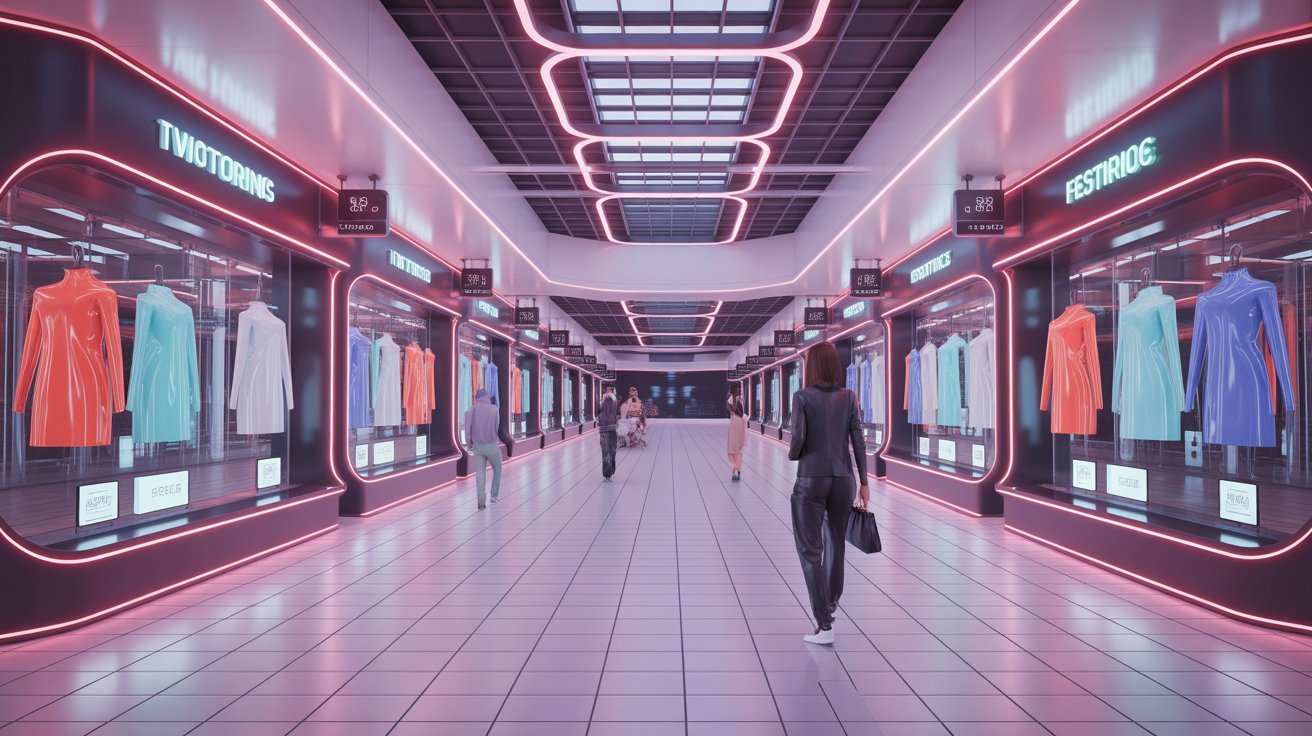
Kuarden represents one of the most talked-about concepts in emerging tech circles right now. As we navigate March 2026, this idea fuses artificial intelligence, blockchain retail, and immersive virtual shopping malls to reimagine how we buy and sell online. While no fully operational, independently verified Kuarden platform or exchange-listed product exists today—despite heavy promotional activity around its KRN token in late 2025 presales and crypto listings—the vision itself is a powerful lens into the future of AI-powered e-commerce, decentralized commerce, and metaverse-integrated retail.
This deep dive explores Kuarden strictly as an innovation hypothesis, drawing from real trends in AI automation, blockchain transparency, AR/VR interfaces, and logistics APIs. We’ll cover what the Kuarden concept entails, why it addresses current e-commerce gaps, its potential technical architecture, target users, advantages over today’s solutions, realistic challenges, and what the roadmap might look like moving forward.
What Is the Kuarden Concept?
Kuarden envisions a next-generation digital marketplace that feels like stepping into a bustling, high-end physical mall—but entirely online and globally accessible. Instead of scrolling 2D product pages, users enter a hyper-realistic 3D virtual shopping environment where AI personalizes every aisle, blockchain ensures trust in every transaction, and real-world delivery bridges the gap between virtual carts and physical packages.
Key elements include:
- Photorealistic 3D/AR product rendering for virtual try-ons and inspections
- AI-driven personalization that adapts to user preferences, body metrics, and behavior
- Blockchain-secured smart contracts for fraud-resistant payments and merchant reputation
- A native utility token (often referenced as KRN) for in-platform transactions, staking, and governance
This isn’t just another Web3 marketplace; it’s a conceptual blend of today’s best tools—think Amazon’s AR View, Decentraland’s virtual worlds, Shopify’s logistics integrations, and Ethereum/Base-chain smart contracts—pushed into a unified, seamless experience.
The idea gained traction through 2025 promotional materials describing a “hyper-realistic commerce frontier,” but as of 2026, it remains largely in presale/promotional phase with limited verifiable progress on mainnet deployment.
Why Kuarden Feels Necessary in 2026
Modern e-commerce is massive—trillions in annual volume—but still plagued by persistent issues that advanced tech could solve:
- High return rates — Especially in fashion and apparel (often 20–40%), driven by inaccurate sizing and poor visualization. AI + AR could dramatically reduce this.
- Trust deficits — Fake reviews, counterfeits, and opaque supply chains erode confidence. Immutable blockchain ledgers offer verifiable provenance and reputation.
- Payment friction — Cross-border fees, slow conversions, and crypto-fiat gaps limit global reach. A smart currency exchange protocol could streamline this.
- Impersonal experiences — Algorithmic recommendations feel generic. Advanced AI could deliver truly adaptive, mood- and context-aware shopping.
In a post-pandemic world where remote and hybrid lifestyles dominate, consumers crave social, immersive retail without leaving home. Kuarden’s hypothesis taps directly into this demand, positioning blockchain retail and AI e-commerce as the next evolution beyond flat mobile apps.
Kuarden’s Hypothetical Technical Architecture
If built, Kuarden would rely on a layered, scalable stack combining established and emerging technologies.
Blockchain & Smart Contracts Layer
- Built on a high-throughput Layer-2 like Base (for low fees and Ethereum compatibility)
- Product listings tokenized with metadata (materials, certifications, origin)
- Smart contracts automate escrow, delivery confirmation (via oracles like Chainlink), and instant payouts
- Merchant reputation stored on-chain, reducing fake-review manipulation
AI & Automation Engine
- Large language models + computer vision for natural-language search (“sustainable blue sneakers under $100”) and visual matching
- Reinforcement learning for hyper-personalized showrooms
- Predictive analytics for inventory and demand forecasting
- Anomaly detection to flag fraud in real time
Immersive Frontend & AR/VR Interface
- WebGL/Unity-based 3D mall rendered in browser or app
- AR try-on via smartphone (ARKit/ARCore) or dedicated headsets (Vision Pro, Quest)
- Cloud-offloaded rendering for smooth performance on average devices
- Social features: real-time co-shopping with voice/video via WebRTC
Payment & Logistics Bridge
- Hypothetical KCEP (Currency Exchange Protocol) aggregates DEX liquidity for instant crypto/fiat swaps
- Integration with global logistics APIs (DHL, FedEx partners) for real-time tracking and fulfillment
- Optional KRN debit card concept for spending token balances in the real world
User Flow Example (Bullet Breakdown)
- Connect wallet or sign in → AI avatar greets with tailored recommendations
- Enter personalized 3D showroom → Use voice/AR to browse and customize
- Add to cart → Smart contract escrows funds
- Complete purchase via KRN or swapped fiat/crypto → On-chain tracking + physical delivery
This architecture leverages cloud infrastructure for scale, zero-knowledge proofs for privacy, and modular APIs for extensibility.
Who Would Use Kuarden? Key Audiences
The concept appeals to diverse groups in the digital economy:
- Everyday consumers — Shoppers seeking immersive, low-return experiences, especially in fashion, electronics, and home goods
- Crypto holders — Users wanting to spend holdings directly without high conversion fees
- Small & medium merchants — Sellers (including in regions like Pakistan) gaining global reach with low barriers and transparent reputation tools
- Luxury & niche brands — Testing virtual pop-ups with verifiable authenticity
- Developers & creators — Building add-ons via open APIs (custom AR filters, AI plugins)
It democratizes advanced tools, letting local businesses in places like Faisalabad compete alongside global players.
Advantages Over Existing Platforms
Compared to incumbents:
- Vs. Amazon — Superior fit visualization and lower returns via AI/AR; blockchain transparency reduces counterfeits
- Vs. Decentraland/Roblox — Real-world delivery instead of virtual-only goods
- Vs. Traditional Shopify stores — Built-in crypto payments, automated reputation, and immersive social shopping
Potential wins include reduced fraud, optimized supply chains (lower emissions), and economic inclusion for underbanked regions.
Challenges and Realistic Risks
Innovation at this scale faces hurdles:
- Blockchain scalability during flash sales or high traffic
- AI training biases affecting recommendation fairness
- Regulatory scrutiny on crypto payments and data privacy (especially cross-border)
- Hardware access barriers (not everyone owns AR/VR-capable devices)
- Execution risk—many similar presale projects stall post-hype
Without audited code, live mainnet, or third-party verification, trust remains low. Promotional red flags (heavy paid press, exaggerated claims) echo patterns seen in past underdelivered tokens.
Innovation Roadmap Ahead
A mature Kuarden-like system could evolve toward:
- Quantum-resistant encryption for future-proof security
- Multi-chain support for broader interoperability
- IoT integration (smart-home auto-reordering)
- Full metaverse economies with creator royalties
By 2030, such platforms may become standard, blending AI, cloud, blockchain retail, and immersive interfaces into everyday digital life.
Conclusion: Kuarden as a Mirror for Tech’s Future
Whether Kuarden fully materializes or remains a conceptual spark, it highlights where digital systems are heading: toward intelligent, transparent, and immersive commerce. The fusion of AI-powered e-commerce, blockchain transparency, and virtual shopping malls solves real pain points in trust, personalization, and global access.
For developers, merchants, or curious futurists, Kuarden serves as inspiration to build (or demand) better tools. The digital future isn’t flat—it’s alive, adaptive, and borderless.
About the Author Written by a technology analyst with 8+ years covering blockchain, AI applications, and emerging retail tech. Previously contributed to outlets on decentralized finance and immersive media trends.
Share this content:




Post Comment